.png)
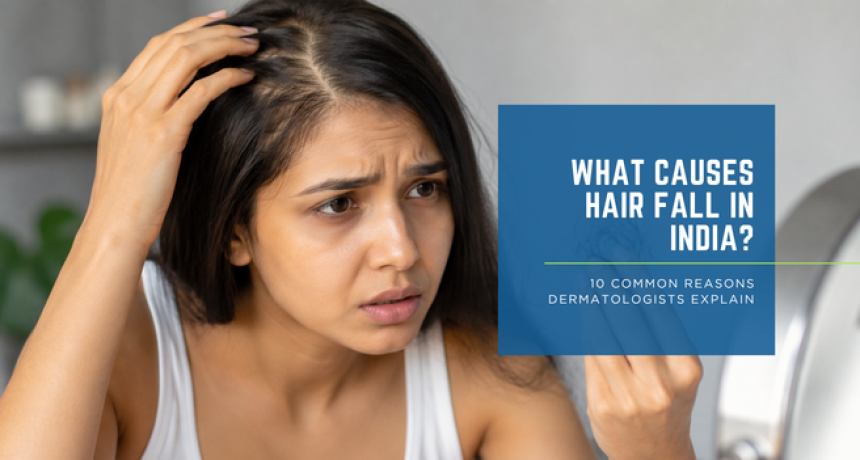
What Causes Hair Fall in India? 10 Common Reasons Dermatologists Explain

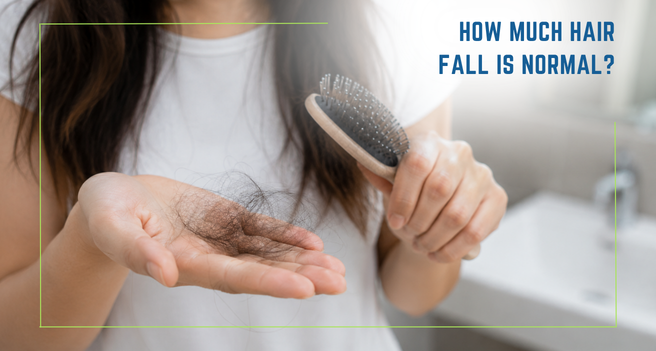
Hair fall has become one of the most searched health concerns in India today — and not just among older adults. Teenagers, working professionals, postpartum women, fitness enthusiasts, and even college students are increasingly experiencing excessive shedding, thinning hair, widening partitions, receding hairlines, and reduced hair density much earlier than previous generations. What makes the problem more frustrating is that most people still treat hair fall only at the surface level. They switch shampoos, oils, serums, supplements, or salon treatments without understanding that hair health is deeply connected to hormones, metabolism, nutrition, immunity, stress physiology, inflammation, gut health, sleep quality, and environmental exposure. Research published in the International Journal of Trichology suggests that hair disorders are rising significantly across India, with androgenetic alopecia, telogen effluvium, nutritional deficiencies, and stress-related hair fall becoming increasingly common among both men and women. (pmc.ncbi.nlm.nih.gov) At L&B Clinics, we often explain to patients that hair follicles are among the most metabolically active structures in the body. This means hair is extremely sensitive to internal imbalances. In many individuals, excessive hair fall becomes one of the earliest visible signs that the body is under physiological stress internally. Understanding the actual cause behind hair loss is essential because different triggers require completely different recovery strategies. Hair fall due to stress behaves differently from hormonal thinning, nutritional deficiency, autoimmune alopecia, or hard water damage. Before understanding abnormal hair loss, it is important to know that some amount of daily shedding is completely normal. Most healthy individuals lose approximately 50–100 hair strands per day as part of the natural hair growth cycle. Hair follicles continuously move through three stages: Anagen phase (active growth) Catagen phase (transition) Telogen phase (shedding and resting) Problems begin when: Excessive follicles enter the shedding phase together. Hair regrowth slows significantly. New hair becomes thinner and weaker. Follicles shrink over time. Hair density visibly decreases. Persistent shedding lasting more than 2–3 months usually indicates an underlying trigger affecting follicle health. One of the biggest causes of hair fall in India today is chronic stress overload. Long working hours, poor sleep, digital overstimulation, emotional burnout, academic pressure, financial anxiety, and nervous system dysregulation significantly affect hair growth cycles. Research shows that elevated cortisol levels can prematurely push hair follicles into the shedding phase, a condition known as telogen effluvium. (health.harvard.edu) Stress-related hair fall often presents as: Sudden diffuse shedding. Excessive hair while washing or combing. Hair thinning after illness or emotional trauma. Reduced hair density without bald patches. At L&B Clinics, we frequently observe stress-induced hair fall in high-performing professionals and young adults with poor recovery cycles and sleep deprivation. Hair follicles require continuous nutritional support because they are highly active tissues with rapid cell turnover. Deficiencies often develop silently for months before visible hair loss appears. Research identifies iron deficiency, low ferritin, Vitamin D deficiency, zinc deficiency, low protein intake, and Vitamin B12 deficiency among the most common nutritional causes of hair loss globally. (aad.org) Iron deficiency reducing oxygen supply to follicles. Low protein intake impairing keratin production. Vitamin D deficiency affecting follicle cycling. Zinc deficiency impairing repair and growth. B12 deficiency reducing healthy cell regeneration. Crash dieting, processed foods, poor gut health, restrictive eating patterns, and meal skipping are major contributors to nutrient-related hair loss in India today. Hormonal imbalance remains one of the most important causes of hair fall among Indian women, particularly those with PCOS, thyroid dysfunction, insulin resistance, or elevated androgen levels. Research suggests that nearly 1 in 5 Indian women may have PCOS, making hormone-related hair thinning increasingly common. (ncbi.nlm.nih.gov) Hormonal hair loss often presents as: Widening hair partition. Diffuse scalp thinning. Increased facial hair growth with scalp hair fall. Acne, irregular periods, or weight gain alongside shedding. Insulin resistance and elevated androgens can gradually shrink hair follicles and trigger female pattern hair loss over time. Both hypothyroidism and hyperthyroidism can disrupt normal hair growth cycles significantly. Thyroid hormones influence metabolism, circulation, cellular repair, and follicle activity throughout the body. Research shows that thyroid dysfunction commonly presents with: Diffuse thinning across the scalp. Dry, brittle hair texture. Reduced hair density. Slower regrowth cycles. Many individuals treat hair loss cosmetically for years before discovering underlying thyroid imbalance. Hair fall due to hard water India is becoming a major concern, especially in urban regions where water contains high concentrations of calcium, magnesium, chlorine, and heavy mineral deposits. Hard water does not directly destroy hair follicles, but it can: Increase scalp dryness and irritation. Cause mineral buildup on the scalp. Make hair rough, brittle, and prone to breakage. Disrupt scalp microbiome balance. Research indicates that hard water may weaken hair fibre structure and increase friction-related damage. (pubmed.ncbi.nlm.nih.gov) People living in metropolitan cities often notice: Excessive tangling. Rough hair texture. Increased breakage after washing. Dry scalp and dull hair quality. The gut and scalp are more connected than most people realise. Emerging research increasingly links gut microbiome imbalance with chronic inflammation, nutrient malabsorption, immune dysregulation, and hair loss disorders. Poor gut health may contribute to: Reduced absorption of iron, zinc, and proteins. Increased systemic inflammation. Immune imbalance affecting follicles. Higher oxidative stress levels. Research on the gut-skin-hair axis suggests that intestinal inflammation and microbiome dysfunction may influence chronic hair disorders. (pmc.ncbi.nlm.nih.gov) At L&B Clinics, recurring digestive issues, bloating, reflux, poor nutrient absorption, and inflammatory symptoms are commonly seen alongside chronic hair fall. Androgenetic alopecia is the most common hereditary hair loss condition in India among both men and women. In men, it usually presents as: Receding hairline. Crown thinning. Progressive baldness. In women, it often appears as: Widening partition. Reduced hair volume. Diffuse thinning. Research suggests androgenetic alopecia affects nearly 50% of men by age 50 globally. (ncbi.nlm.nih.gov) Hormonal sensitivity to DHT gradually shrinks follicles over time, especially when combined with stress, metabolic dysfunction, and inflammation. Sleep is one of the most underestimated factors affecting hair health. Hair follicle recovery, hormonal repair, immune regulation, and cellular regeneration all depend heavily on healthy circadian rhythms. Research shows chronic sleep deprivation increases inflammatory stress and disrupts cortisol regulation, both of which negatively affect hair growth. (sleepfoundation.org) Common modern contributors include: Late-night screen exposure. Shift work. Poor sleep quality. Inconsistent sleep schedules. Excess caffeine and stress. Repeated salon treatments and harsh styling practices can significantly weaken the hair shaft and scalp barrier over time. Damage commonly occurs from: Hair colouring and bleaching. Keratin treatments. Heat styling tools. Tight hairstyles. Chemical straightening. These practices may not always damage follicles directly, but they increase breakage, dryness, inflammation, and mechanical stress on already weakened hair. Metabolic health plays a much larger role in hair health than most people realise. Research increasingly links insulin resistance and chronic inflammation with accelerated follicle ageing and hormonal imbalance. High blood sugar affects: Circulation to follicles. Inflammatory pathways. Hormonal regulation. Oxidative stress levels. Nutrient delivery to the scalp. Research suggests metabolic syndrome may increase the risk of androgenetic alopecia and inflammatory hair disorders. (ncbi.nlm.nih.gov) This is one reason hair loss is becoming increasingly common even in younger adults today. One of the biggest reasons people struggle with chronic hair fall is because treatment often focuses only on surface-level solutions rather than the internal biology affecting follicle health. Hair follicles respond directly to: Hormonal balance. Stress physiology. Nutritional status. Metabolic health. Gut function. Inflammatory load. Immune regulation. Without addressing these deeper systems, temporary improvement may occur — but long-term recovery remains difficult. At L&B Clinics, our approach focuses on understanding why the follicles are becoming unhealthy rather than simply masking symptoms temporarily. We assess: Hormonal imbalance and PCOS. Thyroid and metabolic dysfunction. Nutritional deficiencies. Gut health and inflammation. Stress physiology and sleep quality. Lifestyle factors affecting recovery. Protocols may include: Protein optimisation supporting keratin production. Iron, zinc, Vitamin D, and micronutrient correction. Anti-inflammatory nutrition strategies. Blood sugar stabilisation and metabolic support. Gut-supportive dietary approaches. Long-term hair recovery also involves: Nervous system regulation. Sleep optimisation. Movement and circulation improvement. Reducing inflammatory lifestyle triggers. You should seek medical evaluation if: Hair shedding lasts longer than 2–3 months. Bald patches appear suddenly. The partition widens rapidly. Hair becomes visibly thinner. Hair loss is accompanied by fatigue, irregular periods, or weight changes. The scalp becomes inflamed or painful. Early intervention offers significantly better outcomes because follicles remain more biologically active during early stages of dysfunction. Hair fall in India is no longer caused by just one factor. Modern hair loss is increasingly connected to chronic stress, hormonal imbalance, metabolic dysfunction, nutritional deficiencies, gut inflammation, hard water exposure, poor sleep, and inflammatory lifestyle patterns. Understanding the real root cause behind your hair fall is the most important step toward meaningful long-term recovery. Hair is often one of the body’s earliest warning signs that internal systems are under stress. At L&B Clinics, our functional and integrative approach focuses on restoring the biological environment supporting healthier follicles through root-cause assessment, anti-inflammatory nutrition, metabolic optimisation, stress regulation, gut support, and long-term lifestyle recovery strategies.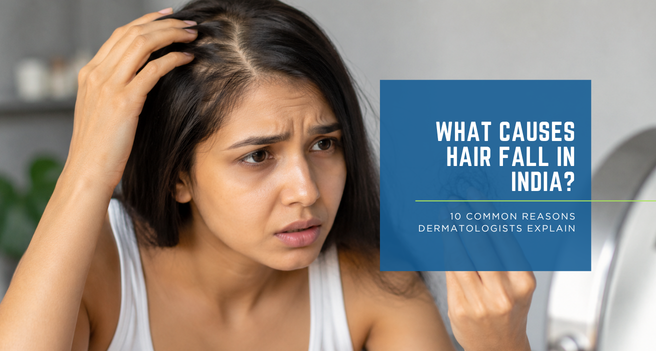
Introduction
How Much Hair Fall Is Normal?
1. Chronic Stress & Cortisol Imbalance
2. Nutritional Deficiencies
Common Nutrient Deficiencies Linked to Hair Fall:
3. Hormonal Imbalance & PCOS
4. Thyroid Disorders
5. Hard Water Exposure
6. Poor Gut Health & Inflammation
7. Androgenetic Alopecia (Pattern Hair Loss)
8. Poor Sleep & Circadian Disruption
9. Excessive Styling, Heat & Chemical Treatments
10. Diabetes, Insulin Resistance & Metabolic Dysfunction
Why Most Hair Fall Treatments Fail
Functional & Integrative Approach to Hair Fall Recovery
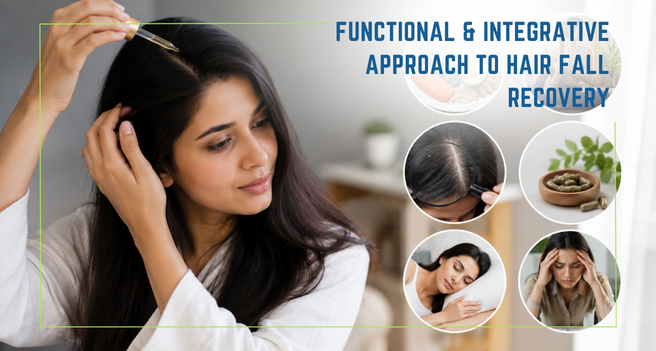
Root Cause Evaluation
Functional Nutrition Support
Stress & Lifestyle Recovery
When Should You See a Doctor?
Conclusion