.png)
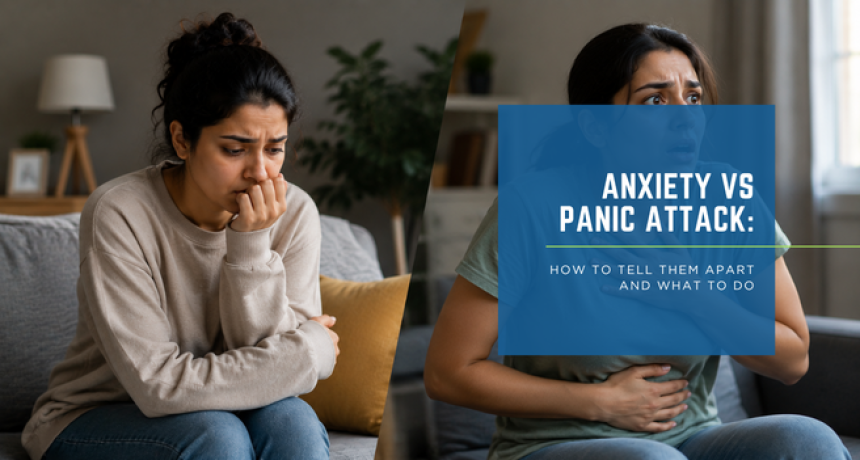
Anxiety vs Panic Attack: How to Tell Them Apart and What to Do

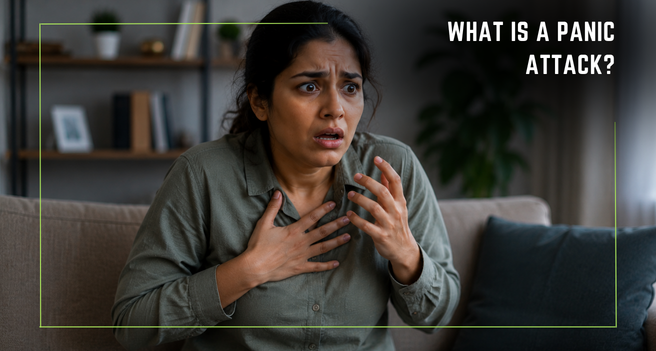
Many people use the words “anxiety” and “panic attack” interchangeably, but medically and physiologically, they are not the same thing. While both involve the body’s stress response system, panic attacks are usually far more intense, sudden, and physically overwhelming compared to ongoing anxiety. Across India, increasing numbers of people are experiencing chronic stress, nervous system overload, emotional burnout, sleep disruption, and overstimulation — all of which contribute to rising rates of anxiety disorders and panic-related symptoms. According to the World Health Organization (WHO), anxiety disorders are among the most common mental health conditions globally and significantly affect quality of life, physical health, and emotional resilience. (who.int) At L&B Clinics, we frequently meet individuals who visit emergency rooms fearing heart attacks, breathing problems, or severe medical emergencies when they are actually experiencing panic attacks. Others live with constant background anxiety for years without recognising how deeply chronic stress physiology is affecting their body. Understanding the difference between anxiety and panic attacks is important because both conditions involve different nervous system patterns, symptom intensity, recovery needs, and treatment approaches. Recognising what is happening in the body can also reduce fear, improve emotional awareness, and help individuals seek timely support instead of silently struggling. Anxiety is the body’s natural response to stress, uncertainty, fear, or perceived danger. In healthy situations, anxiety can temporarily improve alertness and focus. However, when anxiety becomes chronic, excessive, or disproportionate to actual circumstances, it may begin affecting emotional, physical, and cognitive functioning significantly. Research shows anxiety disorders involve prolonged activation of the sympathetic nervous system and dysregulation of the hypothalamic-pituitary-adrenal (HPA) axis. (ncbi.nlm.nih.gov) Unlike panic attacks, anxiety often develops gradually and may persist for hours, days, or even months. Constant overthinking and worry. Feeling mentally “on edge.” Restlessness and irritability. Muscle tension. Poor concentration. Sleep disturbances. Digestive discomfort. Chest tightness or mild palpitations. Fatigue and nervous exhaustion. Many people with anxiety continue functioning outwardly while internally experiencing chronic stress overload and emotional hypervigilance. A Panic Attack is a sudden and intense surge of fear or physical distress that activates the body’s fight-or-flight response very rapidly. Panic attacks usually peak within minutes and may feel physically terrifying. Research shows panic attacks involve acute sympathetic nervous system activation and intense adrenaline release. (psychiatry.org) During a panic attack, many people genuinely believe: They are having a heart attack. They may faint or collapse. They are losing control. They cannot breathe properly. Something catastrophic is about to happen. Panic attacks can occur suddenly even without obvious external danger, especially in individuals with chronic stress, panic disorder, unresolved trauma, sleep deprivation, or nervous system dysregulation. The biggest difference between anxiety and panic attacks lies in intensity, onset, and duration. Anxiety often: Develops slowly over time. Remains persistent in the background. Increases with stress or overthinking. Causes chronic mental and physical tension. Lasts for extended periods. People may continue functioning despite feeling internally overwhelmed. Panic attacks usually: Begin abruptly within minutes. Trigger intense physical symptoms rapidly. Feel overwhelming and frightening. Cause a strong urge to escape or seek emergency help. Peak quickly and gradually settle afterward. Many individuals describe panic attacks as feeling physically “out of control.” Although anxiety and panic attacks overlap, certain symptoms are more commonly associated with panic episodes. People with anxiety often experience: Persistent worry and overthinking. Irritability and emotional tension. Mild chest tightness. Restlessness and uneasiness. Sleep problems. IBS and digestive symptoms. Muscle tension and headaches. Symptoms may fluctuate but usually remain manageable enough for the person to continue daily activities. Panic attacks are more physically intense and may involve: Racing heartbeat or palpitations. Sudden chest pain or pressure. Shortness of breath. Sweating or trembling. Dizziness or feeling faint. Numbness or tingling sensations. Feeling detached from reality. Fear of dying or losing control. Research suggests panic attacks commonly mimic cardiac emergencies, which is why many individuals initially seek emergency medical evaluation. (mayoclinic.org) One of the biggest misconceptions about panic attacks is believing they are “just emotional.” In reality, panic attacks are highly physiological events involving: Adrenaline surges. Rapid breathing changes. Increased heart rate. Muscle tightening. Blood flow redistribution. Heightened sensory awareness. During panic: Breathing often becomes shallow and rapid. Carbon dioxide balance changes. The brain interprets body sensations as danger. Fear amplifies physical symptoms further. This creates a vicious cycle where: Physical sensations increase. Fear intensifies. Adrenaline rises further. Symptoms escalate rapidly. Understanding this cycle is important because fear of the symptoms often prolongs panic attacks. Triggers vary between individuals and are often multifactorial. Chronic work stress. Financial pressure. Relationship difficulties. Sleep deprivation. Health concerns. Hormonal imbalance. Burnout and emotional overload. Chronic stress accumulation. Nervous system hypersensitivity. Caffeine overstimulation. Poor sleep quality. Emotional trauma. Hyperventilation patterns. Fear of bodily sensations. Claustrophobic or crowded situations. At L&B Clinics, we often see panic attacks emerging after prolonged periods of untreated chronic anxiety and nervous system exhaustion. One of the most important things during a panic attack is understanding that the body is experiencing an exaggerated stress response — not necessarily immediate physical danger. Research shows nervous system regulation techniques can significantly reduce panic intensity and recovery time. (pmc.ncbi.nlm.nih.gov) Rapid breathing worsens panic symptoms. Try: Inhaling slowly through the nose for 4 seconds. Exhaling gently for 6 seconds. Repeating consistently for several minutes. Longer exhalations help activate the parasympathetic nervous system. Grounding techniques help interrupt panic escalation. Focus on: Feeling your feet on the floor. Holding a cold object. Naming visible objects around you. Paying attention to physical surroundings. This helps shift the brain away from catastrophic thinking loops. Many people worsen panic by resisting or fearing the symptoms intensely. Instead: Acknowledge the symptoms calmly. Remind yourself the body is stressed, not necessarily unsafe. Allow the adrenaline wave to pass gradually. Panic attacks usually peak and settle naturally over time. After a panic attack: Avoid excessive caffeine. Reduce screen exposure temporarily. Rest the nervous system. Prioritise hydration and sleep. Recovery matters because panic often reflects nervous system overload rather than weakness. Yes. Chronic untreated anxiety may increase the likelihood of developing recurrent panic attacks or panic disorder over time. Panic Disorder involves: Repeated unexpected panic attacks. Fear of future attacks. Avoidance behaviour. Hypervigilance toward body sensations. Many individuals begin avoiding: Crowded places. Public transport. Driving. Social situations. Exercise or physical exertion. This can significantly affect quality of life if left untreated. Effective panic disorder treatment usually requires addressing both psychological and physiological stress patterns. Research strongly supports CBT for panic disorder and anxiety treatment. (apa.org) CBT helps individuals: Understand panic patterns. Reduce fear conditioning. Improve emotional regulation. Reframe catastrophic thinking. Gradually desensitise panic triggers. In moderate-to-severe cases, medications may sometimes help regulate symptoms temporarily under proper supervision. However, medication alone may not address: Nervous system overload. Lifestyle stress. Sleep dysfunction. Burnout patterns. Gut-brain imbalance. At L&B Clinics, we view chronic anxiety and panic attacks through a nervous system and whole-body lens rather than only a symptom-based model. Research increasingly links anxiety disorders with: Gut-brain imbalance. Cortisol dysregulation. Sleep disruption. Inflammatory stress. Autonomic nervous system dysfunction. Nutritional deficiencies. We evaluate: Sleep quality and circadian disruption. Stress physiology and cortisol patterns. Nutritional deficiencies. Gut health and inflammatory burden. Lifestyle overload and recovery capacity. Approaches may include: Breathwork and vagal nerve regulation. Mindfulness and grounding practices. Sleep optimisation. Emotional resilience support. Lifestyle medicine and stress reduction. Protocols may focus on: Blood sugar stability. Anti-inflammatory nutrition. Gut microbiome support. Reducing stimulants and hyperstimulation. Improving movement and sunlight exposure. You should seek support if: Panic attacks become recurrent. Anxiety interferes with daily functioning. Sleep becomes severely disrupted. You begin avoiding situations out of fear. Physical symptoms become overwhelming. Emotional exhaustion worsens significantly. Early intervention often prevents long-term nervous system burnout and panic conditioning patterns. While anxiety and panic attacks are closely related, they are not the same condition. Anxiety usually develops gradually and creates persistent mental and physical tension, while panic attacks involve sudden intense surges of fear and physiological activation. Understanding the difference between anxiety and panic helps reduce fear, improve symptom awareness, and support more effective recovery strategies. Both conditions are deeply connected with nervous system regulation, stress physiology, sleep quality, inflammation, gut health, and emotional resilience. At L&B Clinics, our functional and integrative approach combines nervous system recovery, lifestyle medicine, emotional wellness support, sleep restoration, gut-brain optimisation, and personalised stress regulation strategies designed to support long-term emotional and physical resilience naturally.Introduction
What Is Anxiety?
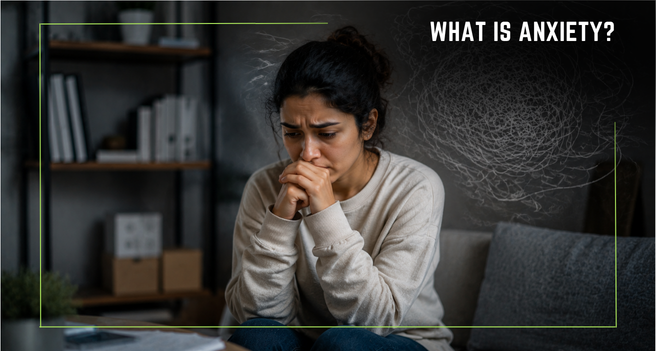
Common Anxiety Symptoms Include:
What Is a Panic Attack?
Anxiety vs Panic Attack: The Main Difference
Anxiety Usually Builds Gradually
Panic Attacks Are Sudden & Intense
Panic Attack vs Anxiety Symptoms India
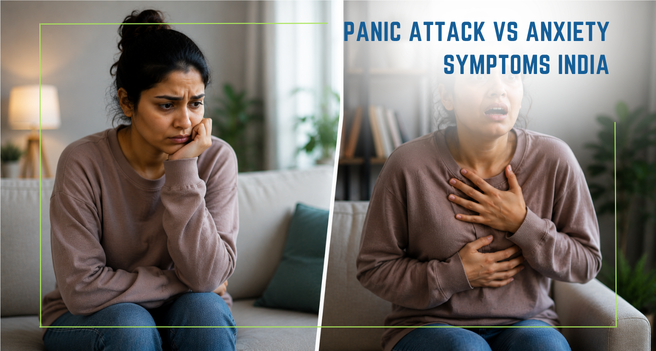
Common Anxiety Symptoms
Common Panic Attack Symptoms
Why Panic Attacks Feel So Physical
What Triggers Anxiety & Panic Attacks?
Common Anxiety Triggers Include:
Common Panic Attack Triggers Include:
How To Manage Panic Attack India
1. Slow Down Breathing
2. Ground Yourself Physically
3. Avoid Fighting the Panic
4. Reduce Hyperstimulation
Can Anxiety Lead to Panic Disorder?
Panic Disorder Treatment India
Cognitive Behavioural Therapy (CBT)
Medication Support
Functional & Integrative Approach to Anxiety & Panic Recovery
Root Cause Assessment
Nervous System Recovery Strategies
Gut-Brain & Lifestyle Support
When Should You Seek Professional Help?
Conclusion