.png)
Anxiety Management Techniques That Actually Work: A 2026 Guide for Indians

Anxiety has become one of the most common yet misunderstood health concerns in modern India. What was once considered occasional stress has now evolved into chronic nervous system overload affecting millions of people across every age group. Students experience academic anxiety, professionals struggle with burnout and overthinking, entrepreneurs battle constant mental pressure, and even teenagers are increasingly reporting panic attacks, sleep disturbances, emotional exhaustion, and physical anxiety symptoms. According to the World Health Organization (WHO), anxiety disorders remain among the most prevalent mental health conditions globally, with a sharp increase observed after the COVID-19 pandemic. India has witnessed a significant rise in anxiety-related symptoms due to chronic stress, financial pressure, digital overstimulation, poor sleep quality, social isolation, hormonal imbalance, and lifestyle-related nervous system dysregulation. (who.int) What many people do not realise is that anxiety is not “just in the mind.” Chronic anxiety affects the entire body. It alters cortisol regulation, digestion, sleep cycles, inflammation, hormonal balance, immune function, blood sugar regulation, muscle tension, and even cardiovascular health. Research increasingly shows that chronic anxiety is deeply connected with autonomic nervous system dysfunction and prolonged activation of the body’s fight-or-flight response. (ncbi.nlm.nih.gov) At L&B Clinics, we explain to patients that anxiety management is not simply about “thinking positively.” Real recovery involves calming the nervous system, improving physiological resilience, restoring recovery cycles, regulating stress hormones, improving emotional processing, and supporting the gut-brain connection. The good news is that several evidence-based anxiety management techniques can significantly improve symptoms when practised consistently. This guide explores the most effective anxiety relief strategies for Indians in 2026 from both scientific and integrative wellness perspectives. Modern lifestyles are biologically overstimulating the human nervous system in ways previous generations did not experience. Constant notifications, excessive screen exposure, long working hours, reduced physical movement, poor sleep, traffic stress, social comparison culture, and emotional suppression all contribute to chronic sympathetic nervous system activation. Research shows that chronic stress exposure keeps the body trapped in a prolonged “fight-or-flight” state, increasing cortisol and adrenaline levels over time. (health.harvard.edu) Several India-specific lifestyle factors worsen anxiety today: Late-night screen exposure disrupting circadian rhythms. High caffeine consumption and energy drink use. Sedentary indoor lifestyles reducing sunlight exposure. Academic and workplace performance pressure. Financial instability and urban stress. Sleep deprivation and emotional burnout. Poor gut health linked to processed food intake. This is why many people now experience anxiety not only mentally but physically through: Palpitations. Chest tightness. IBS and acidity. Headaches. Muscle tension. Fatigue. Breathlessness. Poor concentration. Understanding this mind-body connection is essential because anxiety management techniques work best when they calm both the brain and nervous system together. One of the biggest misconceptions about anxiety is believing that you can “think your way out” of a physiological stress response instantly. During anxiety, the sympathetic nervous system becomes overactivated, increasing heart rate, muscle tension, breathing rate, cortisol release, and hypervigilance. The fastest anxiety relief techniques usually work by activating the parasympathetic nervous system — the body’s natural calming and recovery system. Research shows that breathing exercises, mindfulness practices, vagal nerve stimulation, meditation, and yoga can significantly reduce autonomic nervous system hyperactivation. (pmc.ncbi.nlm.nih.gov) This is why the most effective anxiety management techniques are not only psychological — they are physiological. Breathing is one of the few bodily functions that directly influences the nervous system in real time. During anxiety, breathing often becomes shallow, rapid, and chest-dominant, which signals danger to the brain and further worsens the stress response. Research shows slow diaphragmatic breathing can reduce sympathetic activation and improve vagal tone significantly. (nih.gov) This technique is widely used for calming acute anxiety and stress responses. Steps: Inhale for 4 seconds. Hold for 4 seconds. Exhale for 4 seconds. Hold again for 4 seconds. Repeating this cycle for several minutes may reduce nervous system hyperarousal. This method helps activate parasympathetic recovery. Steps: Inhale slowly through the nose for 4 seconds. Exhale gently for 6 seconds. Continue for 5–10 minutes. Longer exhalations signal safety to the brain and help calm physiological anxiety. Many anxious individuals breathe only through the upper chest. Diaphragmatic breathing focuses on: Expanding the abdomen while inhaling. Slowing breathing rhythm. Relaxing muscle tension. Improving oxygen-carbon dioxide balance. Practising this regularly can significantly improve baseline anxiety levels. Mindfulness is no longer viewed as only a spiritual or meditative practice. Research now strongly supports mindfulness-based interventions for anxiety reduction, emotional regulation, and nervous system recovery. A meta-analysis published in JAMA Internal Medicine found mindfulness meditation programs significantly improved anxiety symptoms and stress regulation. (jamanetwork.com) Mindfulness helps by: Reducing excessive future-focused thinking. Improving emotional awareness. Decreasing rumination. Lowering stress hormone activation. Improving nervous system resilience. Spend 2–5 minutes focusing completely on: Sounds around you. Your breath. Body sensations. Environmental details. This interrupts repetitive anxiety loops. Walking without constant phone stimulation while focusing on breathing, surroundings, and body movement helps regulate overstimulated nervous systems. Short guided meditations may help calm racing thoughts and improve sleep quality, especially when practised consistently. India has one of the world’s oldest mind-body healing traditions, and modern research increasingly validates yoga’s effectiveness for anxiety management. Research suggests yoga may reduce cortisol levels, improve parasympathetic activity, enhance GABA neurotransmitter activity, and reduce physiological stress markers. (pubmed.ncbi.nlm.nih.gov) Yoga helps anxiety through: Breath regulation. Muscle relaxation. Improved vagal tone. Reduced inflammatory stress. Better body awareness. This grounding posture helps: Calm the nervous system. Reduce overstimulation. Relax the spine and shoulders. Slow breathing patterns. This restorative pose may: Improve parasympathetic activation. Reduce physical tension. Calm mental hyperactivity. Improve sleep quality. Research suggests alternate nostril breathing may improve autonomic balance and stress resilience. (ncbi.nlm.nih.gov) Poor sleep and anxiety create a vicious cycle where each condition worsens the other. Research consistently shows sleep deprivation increases: Cortisol levels. Emotional reactivity. Sympathetic nervous system activation. Anxiety sensitivity. Blue light exposure suppresses melatonin production and overstimulates the brain. The nervous system responds positively to predictable circadian rhythms. High caffeine intake significantly worsens anxiety symptoms in sensitive individuals. Cool, dark, quiet sleep environments improve recovery quality and nervous system repair. Exercise is one of the most underutilised anxiety management tools despite strong scientific evidence supporting its benefits. Research shows regular physical activity improves: Mood regulation. Endorphin release. Stress resilience. Sleep quality. Inflammatory balance. Moderate movement such as: Walking. Strength training. Yoga. Cycling. Dancing. Swimming. can significantly improve baseline anxiety levels when done consistently. Emerging research strongly supports the gut-brain axis connection in anxiety disorders. The gut microbiome influences neurotransmitters, inflammation, cortisol response, and emotional regulation. Research suggests poor gut health may worsen: Anxiety symptoms. Mood instability. Brain fog. Stress sensitivity. Helpful strategies may include: Reducing ultra-processed foods. Increasing fibre intake. Supporting microbiome diversity. Improving hydration. Reducing inflammatory food triggers. At L&B Clinics, digestive symptoms like bloating, IBS, reflux, and chronic acidity are commonly seen alongside anxiety disorders. Modern anxiety is heavily linked with constant cognitive overstimulation. Excessive: Social media scrolling. News exposure. Notifications. Multitasking. Information overload. keeps the brain in a hyper-alert state continuously. Digital detox strategies may include: Scheduled screen-free periods. Notification reduction. Morning phone-free routines. Social media boundaries. Reduced doom-scrolling behaviour. Even small reductions in cognitive overload can improve nervous system recovery significantly. Anxiety management techniques are highly effective, but some individuals also benefit from professional therapeutic support. Research strongly supports Cognitive Behavioural Therapy (CBT) for: Panic attacks. Health anxiety. Social anxiety. Chronic overthinking. Generalised anxiety disorder. (apa.org) Therapy helps individuals: Identify unhealthy thought patterns. Improve emotional regulation. Process unresolved stress. Build healthier coping mechanisms. At L&B Clinics, our integrative approach focuses on understanding why the nervous system became chronically dysregulated rather than simply suppressing symptoms temporarily. We evaluate: Stress physiology and cortisol imbalance. Sleep quality and circadian disruption. Gut health and inflammatory burden. Nutritional deficiencies. Hormonal and metabolic imbalance. Lifestyle overload patterns. Protocols may include: Nervous system regulation practices. Functional nutrition support. Breathwork and mindfulness integration. Lifestyle medicine approaches. Emotional wellness and resilience support. Sleep optimisation protocols. You should seek professional support if: Anxiety interferes with daily functioning. Panic attacks become frequent. Sleep becomes severely disrupted. Physical symptoms worsen despite normal tests. Avoidance behaviour develops. Anxiety leads to emotional exhaustion or depression. Early support often prevents chronic nervous system burnout and long-term mental health deterioration. Anxiety management in 2026 requires far more than temporary distractions or motivational advice. Chronic anxiety is deeply connected with nervous system overload, poor recovery cycles, inflammation, sleep disruption, gut-brain imbalance, and emotional stress physiology. The most effective anxiety management techniques are the ones that calm both the brain and body together. Breathing exercises, mindfulness, yoga, sleep restoration, movement, gut health support, and nervous system regulation all work because they directly influence the biological stress response itself. At L&B Clinics, our functional and integrative approach combines lifestyle medicine, nervous system recovery, emotional wellness support, gut-brain optimisation, sleep restoration, and personalised resilience strategies designed to support long-term anxiety recovery naturally.Introduction
Why Anxiety Feels Worse in Modern India
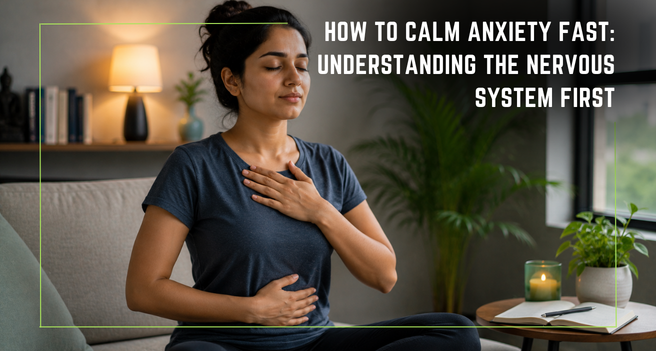
How To Calm Anxiety Fast: Understanding the Nervous System First
1. Controlled Breathing Techniques for Anxiety
Effective Breathing Techniques for Anxiety India
Box Breathing
4-6 Relaxation Breathing
Belly Breathing
2. Mindfulness for Anxiety Relief
Simple Mindfulness Practices for Indians in 2026
Mindful Observation
Mindful Walking
Guided Meditation
3. Yoga & Anxiety Relief
Best Yoga Practices for Anxiety Relief India
Balasana (Child’s Pose)
Viparita Karani (Legs-Up-The-Wall Pose)
Nadi Shodhana (Alternate Nostril Breathing)
4. Sleep Restoration & Anxiety Recovery
Sleep Practices That Support Anxiety Reduction
Reduce Night-Time Screen Exposure
Maintain Consistent Sleep Timing
Avoid Excess Caffeine Late in the Day
Improve Sleep Environment
5. Physical Movement & Exercise
6. Gut Health & Anxiety
Gut-Supportive Practices for Anxiety
7. Reduce Digital Overstimulation
8. Therapy & Emotional Processing
Functional & Integrative Anxiety Management Approach
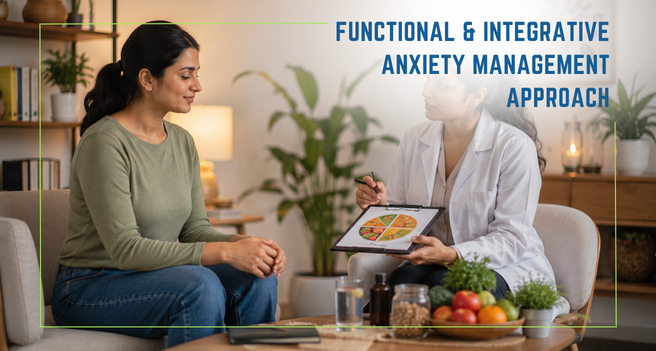
Root Cause Assessment
Integrative Recovery Strategies
When Should You Seek Professional Help?
Conclusion