.png)
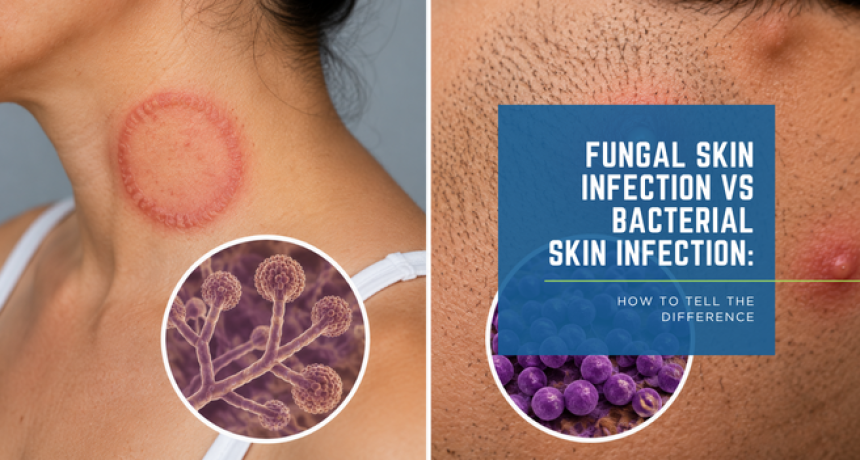
Fungal Skin Infection vs Bacterial Skin Infection: How to Tell the Difference

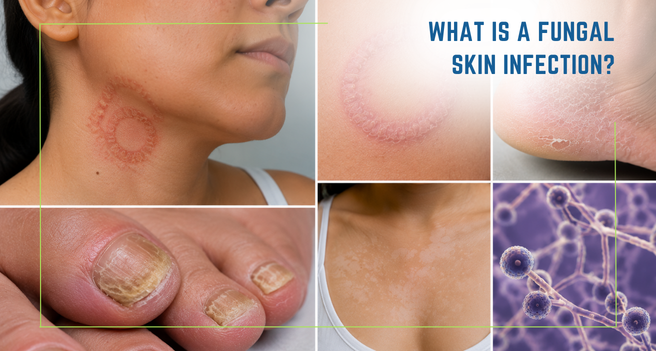
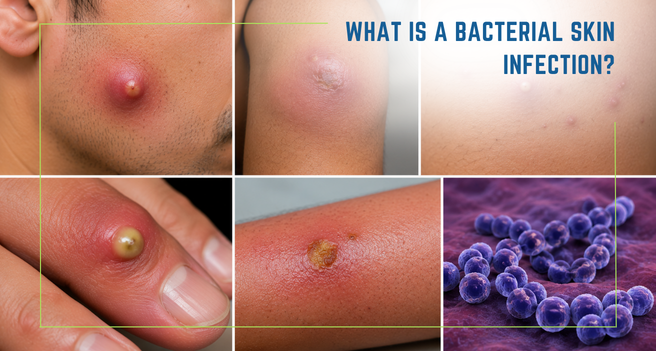
Redness, itching, rashes, swelling, and irritation are among the most common skin complaints seen across India today. However, one of the biggest reasons skin infections become chronic or difficult to treat is because people often misidentify the type of infection they have. Many fungal infections are mistaken for bacterial rashes, while bacterial infections are sometimes treated repeatedly with antifungal creams or steroid combinations that actually worsen the condition. India’s hot climate, humidity, excessive sweating, rising diabetes rates, pollution exposure, weakened immunity, and increasing misuse of over-the-counter steroid creams have significantly contributed to the growing burden of skin infections. Research published in Indian epidemiological studies suggests that superficial fungal infections are among the most common dermatological conditions in India, especially in tropical and humid regions. (nih.gov) At L&B Clinics, we frequently see patients whose skin conditions persist for months because the root infection type was never properly identified. This is why understanding the difference between fungal and bacterial skin infections becomes extremely important for faster recovery and preventing recurrence. Although both conditions may initially look similar, the underlying cause, progression, symptoms, and treatment approach are completely different. Fungal infections are usually linked to excessive moisture, microbiome imbalance, and skin barrier dysfunction, while bacterial infections often involve deeper inflammation, wound entry, or immune compromise. Fungal Skin Infection occurs when fungi overgrow on the skin surface, particularly in warm, moist, and sweaty environments. Fungi naturally exist on the body in small amounts, but when the skin barrier weakens or excessive moisture accumulates, fungal organisms multiply rapidly and begin causing irritation and inflammation. Fungal infections are extremely common in India due to humidity, tight clothing, prolonged sweating, gym exposure, poor ventilation, and steroid cream misuse. Common fungal infections include ringworm (tinea), athlete’s foot, jock itch, fungal acne, and candida-related infections. Research indicates that dermatophyte fungal infections have increased significantly across India over the past decade, partly due to self-medication and inappropriate topical steroid use. (nih.gov) Unlike bacterial infections, fungal infections usually remain superficial initially, though they can spread extensively if the environment supporting fungal overgrowth is not corrected. Bacterial Skin Infection develops when harmful bacteria enter the skin through cuts, wounds, inflamed follicles, insect bites, scratches, or damaged skin barriers. Unlike fungal infections, bacterial infections may spread deeper into tissues and become more painful or inflammatory over time. Common bacterial skin infections include: Cellulitis Folliculitis Boils Impetigo Infected wounds Research shows that Staphylococcus aureus and Streptococcus species remain among the most common bacterial organisms causing skin infections globally. (medlineplus.gov) Bacterial infections are particularly common among individuals with diabetes, obesity, poor wound healing, compromised immunity, chronic inflammatory conditions, or poor hygiene. If left untreated, some bacterial infections may spread rapidly and require urgent medical attention. Although both conditions affect the skin, the symptoms and progression often differ in important ways. Fungal infections usually appear as: Circular or ring-shaped rashes with raised borders. Red, flaky, peeling, or scaly skin areas. Itchy patches that spread outward gradually. Moist or whitish skin in body folds or sweaty regions. The centre of fungal rashes often appears lighter while the outer border remains active and inflamed. Bacterial infections commonly appear as: Painful red swelling or inflamed skin. Warmth and tenderness around the affected area. Pus-filled bumps, boils, or crusting. Rapidly spreading redness or swelling. Unlike fungal infections, bacterial infections often feel painful rather than intensely itchy. One of the easiest ways to differentiate fungal and bacterial infections is understanding whether itching or pain is the dominant symptom. Patients commonly experience: Persistent itching that worsens with sweating. Burning sensation in moist skin folds. Irritation after gym activity or tight clothing. Increased discomfort in humid weather. The itching may become severe enough to disrupt sleep or daily activities. Bacterial infections often cause: Painful swelling or tenderness. Warmth and throbbing around the lesion. Pus formation and pressure sensation. Increased discomfort when touched. Pain and inflammation generally worsen as the infection spreads deeper. The speed at which symptoms worsen also provides important clues regarding infection type. Fungal infections typically: Expand gradually outward over days or weeks. Become chronic if untreated. Flare repeatedly in humid conditions. Spread to nearby skin folds or body areas. The infection may persist for months if moisture and skin barrier dysfunction are not corrected. Bacterial infections often: Develop suddenly and worsen quickly. Become swollen or painful within days. Spread deeper into tissues rapidly. Trigger fever or systemic symptoms in severe cases. Rapid progression is one reason bacterial infections should not be ignored. The location of the rash can also help differentiate the infection type. Groin folds Feet and toes Underarms Under the breasts Neck folds Scalp Areas exposed to sweat and friction Warm, moist areas create ideal conditions for fungal overgrowth. Hair follicles Open wounds Cuts and scratches Areas of friction or injury Diabetic wounds Inflamed acne lesions Bacterial infections may occur anywhere the skin barrier becomes damaged. Recognising fungal infection symptoms early helps prevent spreading and chronic recurrence. Circular ring-like rash with raised edges. Persistent itching and irritation. Peeling, scaling, or flaky skin. White patches between toes or skin folds. Redness worsening with sweating or humidity. Rash spreading outward gradually over time. Research suggests fungal infections thrive in warm environments with poor ventilation and excessive sweating. (apollohospitals.com) Bacterial infections often trigger stronger inflammatory responses compared to fungal conditions. Painful swelling or tenderness. Warm skin around the infection. Pus-filled lesions or boils. Yellow crusting or discharge. Rapidly spreading redness. Fever or fatigue in severe cases. Research indicates untreated bacterial infections can sometimes spread deeper into connective tissues and bloodstream circulation. (medlineplus.gov) One of the biggest reasons fungal infections have become increasingly difficult to treat in India is widespread misuse of combination steroid creams available without proper supervision. Steroids may temporarily reduce redness and itching, making the infection appear better initially. However, they suppress local immune responses in the skin and allow fungal organisms to spread more aggressively underneath the surface. Research has linked topical steroid misuse with chronic recurrent fungal infections and altered fungal presentation known as “tinea incognito.” (nih.gov) Patients often unknowingly worsen the infection by repeatedly applying stronger creams without addressing the root microbial imbalance. Correct diagnosis becomes essential because fungal and bacterial infections require completely different treatment strategies. Doctors may evaluate: Appearance and shape of the rash. Presence of scaling, pus, or crusting. Speed of progression. Pain versus itching severity. Medical history including diabetes or immunity status. Recurrence patterns and environmental triggers. In some cases, additional tests like fungal scrapings, cultures, or microscopic examination may be needed for accurate diagnosis. At L&B Clinics, we also evaluate deeper internal factors contributing to recurring skin infections, including metabolic dysfunction, insulin resistance, gut health imbalance, inflammatory load, stress physiology, and immune resilience. Many people successfully suppress skin infections temporarily but continue experiencing recurrence because the deeper environment supporting microbial overgrowth remains unchanged. Research increasingly shows that skin health is strongly connected with: Immune function Gut microbiome balance Blood sugar regulation Skin barrier integrity Stress physiology Chronic inflammation Factors increasing recurrence risk include: Diabetes and insulin resistance. Excess sweating and poor ventilation. Tight synthetic clothing. Poor sleep and chronic stress. Obesity and skin folds. Nutritional deficiencies affecting immunity. Repeated steroid cream misuse. Without addressing these deeper triggers, infections often keep returning repeatedly. At L&B Clinics, we believe recurring skin infections should not be viewed only as superficial skin problems. In many patients, they reflect deeper inflammatory, metabolic, or immune dysfunction affecting the skin barrier. Our functional and integrative approach focuses on improving the internal environment supporting healthier skin resilience. We evaluate: Blood sugar imbalance and insulin resistance worsening inflammation. Nutritional deficiencies affecting skin healing and immune defence. Gut microbiome imbalance contributing to inflammatory skin responses. Chronic stress physiology suppressing immune resilience. Lifestyle triggers worsening moisture retention and skin irritation. Emerging evidence links inflammatory diets with poorer skin barrier recovery and immune regulation. Protocols may include: Reducing refined sugar and ultra-processed foods supporting microbial overgrowth. Increasing antioxidant-rich foods supporting skin repair. Supporting protein intake for tissue recovery and healing. Improving gut-supportive fibre intake and microbiome health. Long-term recovery also focuses on: Wearing breathable cotton clothing. Reducing prolonged moisture exposure. Improving hygiene without over-stripping the skin barrier. Managing stress and sleep quality to improve immune resilience. Supporting healthy body composition and metabolic balance. You should seek medical attention if: The rash spreads rapidly or becomes painful. Pus, swelling, or fever develops. Symptoms persist despite treatment. Skin becomes warm and tender. The infection keeps recurring repeatedly. You have diabetes or compromised immunity. There is significant inflammation near the eyes or face. Persistent or severe infections should never be ignored because delayed treatment may increase the risk of deeper tissue involvement. Understanding the difference between fungal and bacterial skin infections is essential because both conditions behave very differently despite appearing similar initially. Fungal infections are usually itchy, slow-spreading, and moisture-driven, while bacterial infections are often painful, inflamed, and capable of spreading deeper into tissues quickly. Correct diagnosis becomes especially important in India, where humidity, steroid misuse, diabetes, and chronic inflammation contribute significantly to recurrent skin infections. At L&B Clinics, our integrative and functional medicine approach focuses not only on controlling the visible infection but also on improving immunity, metabolic balance, gut health, skin barrier resilience, and inflammatory regulation to support long-term skin recovery naturally. Fungal skin infections typically appear as ring-shaped, itchy, scaly patches with defined edges, while bacterial infections often present as red, warm, swollen areas that may produce pus, though a clinical examination is the most reliable way to distinguish between the two. For nutrition-based skin and hair care support, see L&B Clinics' Skin and Hair Care Clinic. Introduction
What Is a Fungal Skin Infection?
What Is a Bacterial Skin Infection?
Fungal vs Bacterial Skin Infection: Key Differences
Appearance of the Rash
Fungal Skin Infection
Bacterial Skin Infection
Itching vs Pain
Fungal Infections Usually Itch More
Bacterial Infections Usually Hurt More
Speed of Progression
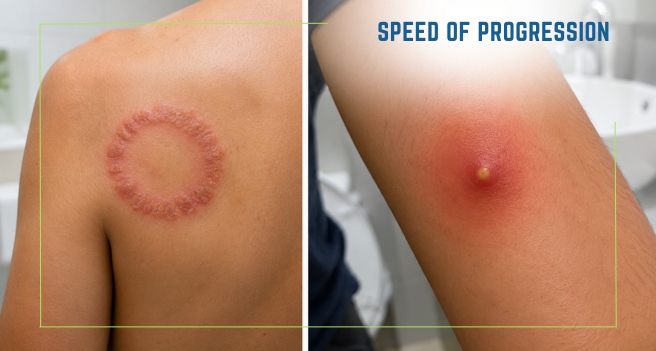
Fungal Infections Spread Slowly
Bacterial Infections Progress Faster
Common Areas Affected
Fungal Infections Commonly Affect:
Bacterial Infections Commonly Affect:
Fungal Infection on Skin Signs
Common Signs Include:
Bacterial Skin Infection Symptoms
Common Symptoms Include:
Why Steroid Cream Misuse Makes Skin Infections Worse
How To Identify Skin Infection Type in India
Why Skin Infections Keep Coming Back
Functional & Integrative Approach to Skin Infection Recovery
Root Cause Assessment
Anti-Inflammatory Nutrition Support
Skin Barrier & Lifestyle Recovery
When Should You See a Doctor?
Conclusion
FAQs on Fungal and Bacterial Skin Infections
1.How to tell if a skin infection is fungal or bacterial?