.png)
How Chronic Anxiety Affects Your Gut, Heart & Hormones: The India Context

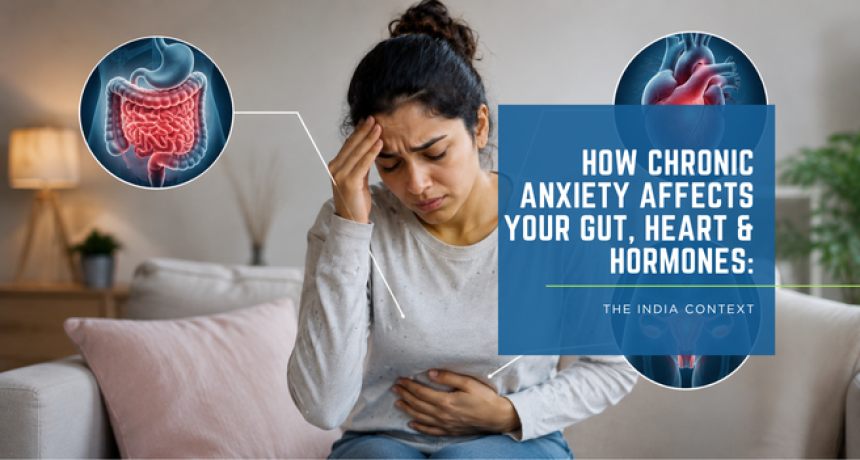
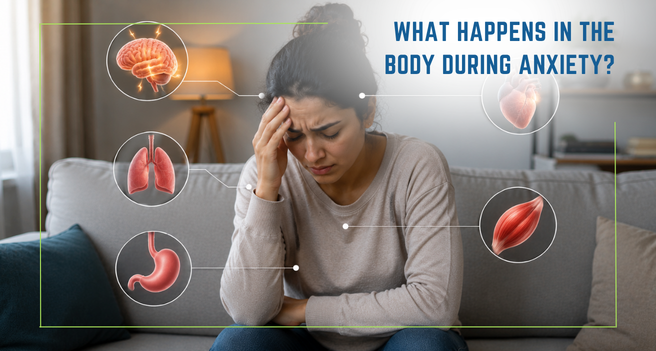
Most people still think anxiety is “just mental stress.” However, modern research clearly shows that chronic anxiety affects nearly every major system in the body — including the gut, heart, hormones, metabolism, immune system, sleep cycles, and even inflammation pathways. This is one reason many individuals spend years visiting multiple specialists for acidity, bloating, palpitations, fatigue, headaches, chest tightness, dizziness, IBS symptoms, hormonal imbalance, poor sleep, or unexplained physical discomfort before realising the nervous system itself may be chronically dysregulated. Across India, anxiety-related physical symptoms are increasing rapidly due to urban stress, long working hours, sleep deprivation, digital overstimulation, poor recovery cycles, social pressure, financial insecurity, hormonal disruption, and chronic nervous system overload. Research published in The Lancet Psychiatry highlights that anxiety disorders contribute significantly to India’s mental health burden, particularly among younger adults and working populations. (thelancet.com) At L&B Clinics, we often explain that chronic anxiety is not simply “overthinking.” It is a prolonged physiological stress state where the body remains trapped in survival mode for extended periods. Over time, this affects cortisol regulation, autonomic nervous system balance, inflammatory pathways, digestion, circulation, reproductive hormones, and cellular recovery itself. Understanding how anxiety affects the body becomes essential because physical symptoms are often the body’s earliest warning signs that stress physiology is becoming chronically activated. Anxiety activates the body’s stress response system, primarily involving: The sympathetic nervous system. The hypothalamic-pituitary-adrenal (HPA) axis. Stress hormones like cortisol and adrenaline. These systems are designed to help the body survive short-term danger. During acute stress, the body increases heart rate, blood pressure, alertness, glucose availability, and muscle tension to prepare for a “fight-or-flight” response. However, modern anxiety is rarely short-term. Research shows chronic anxiety keeps stress pathways activated for prolonged periods, leading to persistent cortisol elevation, autonomic nervous system imbalance, inflammation, and metabolic dysfunction. (ncbi.nlm.nih.gov) Over time, this prolonged activation begins affecting multiple organs simultaneously. One of the strongest mind-body connections in modern medicine is the gut-brain axis. The gut and brain communicate continuously through: The vagus nerve. Hormonal signalling. Immune pathways. Neurotransmitters. Gut microbiome activity. Research increasingly shows that chronic anxiety can significantly disrupt digestive function and gut health. (pmc.ncbi.nlm.nih.gov) At L&B Clinics, digestive symptoms are among the most common complaints seen alongside chronic anxiety disorders. When the body enters fight-or-flight mode: Blood flow shifts away from digestion. Stomach acid production becomes dysregulated. Gut motility changes. Inflammation increases. Microbiome balance becomes altered. This may trigger symptoms such as: Acidity and reflux. Bloating. IBS symptoms. Constipation or loose motions. Nausea. Loss of appetite. Abdominal tightness. Research suggests individuals with anxiety disorders have significantly higher rates of functional gastrointestinal disorders such as IBS. (ncbi.nlm.nih.gov) Emerging evidence also suggests the gut microbiome directly influences: Mood regulation. Serotonin production. Stress resilience. Inflammation. Cognitive function. Poor diet quality, processed foods, chronic stress, antibiotics, and sleep deprivation can negatively affect microbiome diversity and worsen anxiety symptoms over time. This gut-brain relationship explains why many anxious individuals experience digestive flare-ups during stressful periods. One of the most frightening symptoms of chronic anxiety is heart palpitations. Many individuals describe: Racing heartbeat. Chest tightness. Skipped beats. Fluttering sensations. Breathlessness. Sudden panic-like episodes. Research shows anxiety increases sympathetic nervous system activity, which directly affects heart rate, blood pressure, and cardiovascular reactivity. (heart.org) During stress: Adrenaline increases heart rate rapidly. Breathing becomes shallow and fast. Muscle tension increases. Blood vessels constrict. The brain becomes hyper-alert to bodily sensations. This creates a cycle where: Anxiety increases heart awareness. Palpitations feel more intense. Fear increases further. The stress response escalates again. Many individuals repeatedly visit emergency rooms fearing cardiac events despite normal reports because chronic anxiety can mimic serious heart symptoms surprisingly closely. Research suggests prolonged stress and anxiety may contribute to: Elevated blood pressure. Increased inflammatory burden. Poor sleep quality. Higher cardiovascular strain. Lifestyle-related metabolic dysfunction. This does not mean anxiety directly “causes” heart disease in every person, but chronic stress physiology may increase cardiovascular risk over time if recovery mechanisms remain poor. Cortisol is one of the body’s primary stress hormones and plays a major role in chronic anxiety physiology. Under normal conditions, cortisol: Helps regulate energy. Supports alertness. Controls inflammation. Maintains circadian rhythms. However, chronic stress keeps cortisol elevated for prolonged periods. Research shows prolonged cortisol dysregulation can affect: Sleep quality. Blood sugar balance. Hormones. Metabolism. Immune regulation. Fat storage. Brain function. At L&B Clinics, many patients with chronic anxiety also report: Fatigue despite tiredness. Difficulty relaxing. Brain fog. Poor sleep. Weight fluctuations. Sugar cravings. Hormonal irregularities. These symptoms often reflect deeper stress physiology dysregulation. One of the most overlooked effects of chronic anxiety is its impact on hormonal health. Stress hormones interact directly with: Thyroid hormones. Reproductive hormones. Insulin regulation. Estrogen and progesterone balance. Testosterone levels. Chronic stress may contribute to: Irregular periods. PMS worsening. PCOS symptom aggravation. Reduced progesterone balance. Sleep-related hormonal disruption. Research suggests chronic cortisol elevation may suppress reproductive hormone balance and ovulation patterns. (ncbi.nlm.nih.gov) Many women notice anxiety worsening: Before periods. During hormonal shifts. During burnout phases. Around perimenopause transitions. In men, chronic stress may contribute to: Low energy. Reduced testosterone. Poor sleep quality. Reduced libido. Fatigue and burnout. Long-term nervous system overload can affect hormonal resilience in both genders. When anxiety becomes chronic, the body remains trapped in a prolonged state of physiological alertness. Over time, this may contribute to widespread systemic effects. Chronic fatigue and burnout. Poor sleep quality and insomnia. IBS and digestive dysfunction. Muscle tension and headaches. Increased inflammatory load. Hormonal imbalance. Poor concentration and brain fog. Reduced immunity. Increased metabolic dysfunction. Emotional exhaustion and depressive symptoms. Research increasingly supports the connection between chronic psychological stress and inflammatory disease processes throughout the body. (pmc.ncbi.nlm.nih.gov) Several modern lifestyle factors common in India today amplify chronic anxiety significantly: Late-night work culture. Digital overstimulation. Reduced movement and sunlight exposure. Poor sleep schedules. Excess caffeine consumption. Processed food intake. Chronic multitasking. Social comparison and performance pressure. These patterns prevent the nervous system from entering proper recovery mode consistently. At L&B Clinics, we often explain that anxiety recovery is not only psychological — it is biological. The nervous system requires recovery, regulation, safety, nourishment, and restoration. Our integrative approach focuses on calming the nervous system while improving the biological systems affected by chronic stress physiology. Approaches may include: Breathwork and vagal nerve activation. Mindfulness and meditation practices. Sleep restoration protocols. Stress resilience training. Emotional processing strategies. Research shows breathing exercises and mindfulness practices improve autonomic nervous system balance significantly. (pmc.ncbi.nlm.nih.gov) Protocols may focus on: Improving gut microbiome diversity. Reducing inflammatory foods. Supporting digestive function. Stabilising blood sugar. Improving nutrient absorption. Long-term recovery also involves: Sleep optimisation. Circadian rhythm restoration. Physical movement and sunlight exposure. Reducing digital overload. Building emotional resilience. Improving metabolic flexibility. We may evaluate: Nutritional deficiencies. Cortisol and stress physiology patterns. Gut health and inflammatory burden. Hormonal imbalance. Metabolic dysfunction and insulin resistance. You should seek support if: Anxiety causes persistent physical symptoms. Palpitations become frequent. Sleep remains disrupted for long periods. Digestive issues worsen with stress. Anxiety interferes with work or relationships. Panic attacks develop. Emotional exhaustion becomes overwhelming. Early intervention often prevents long-term nervous system burnout and chronic stress-related health complications. Chronic anxiety affects far more than emotions alone. It directly influences the gut, heart, hormones, metabolism, sleep, immunity, inflammation, and nervous system function. In modern India, rising stress levels, digital overstimulation, poor recovery cycles, and lifestyle imbalance are making anxiety-related physical symptoms increasingly common across all age groups. Understanding how anxiety affects the body is essential because symptoms like acidity, palpitations, fatigue, IBS, hormonal imbalance, and sleep disruption may often reflect deeper nervous system dysregulation rather than isolated organ problems. At L&B Clinics, our functional and integrative approach focuses on supporting long-term nervous system recovery through stress physiology regulation, gut-brain optimisation, lifestyle medicine, emotional wellness support, sleep restoration, metabolic health assessment, and personalised recovery strategies designed to improve both mental and physical resilience naturally.What Happens in the Body During Anxiety?
Anxiety and Gut Health in India
How Anxiety Affects Digestion
Gut Microbiome & Anxiety
Anxiety Heart Palpitations India: Why Anxiety Affects the Heart
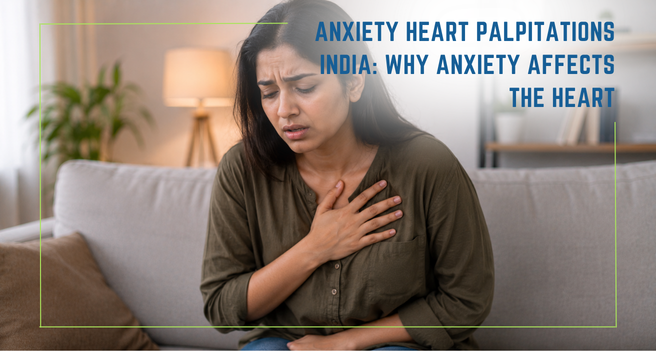
Why Anxiety Causes Palpitations
Can Anxiety Affect Long-Term Heart Health?
Cortisol and Anxiety in India
How Anxiety Affects Hormones
Anxiety & Female Hormones
Anxiety & Male Hormones
Long-Term Anxiety Effects on the Body
Common Long-Term Effects Include:
Why Modern Indian Lifestyles Worsen Anxiety Physiology
Functional & Integrative Approach to Anxiety Recovery
Nervous System Regulation
Gut-Brain Support
Lifestyle & Recovery Medicine
Functional Assessment
When Should You Seek Professional Help?
Conclusion