.png)
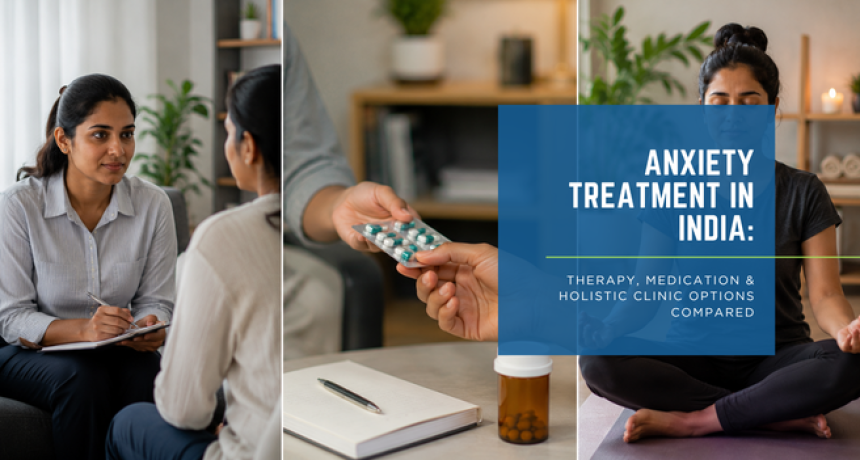
Anxiety Treatment in India: Therapy, Medication & Holistic Clinic Options Compared

Anxiety is no longer an occasional emotional state experienced only during stressful situations. Across India, anxiety disorders are becoming one of the fastest-growing mental health concerns affecting students, professionals, entrepreneurs, homemakers, and even teenagers. Constant overthinking, racing thoughts, palpitations, poor sleep, chest tightness, digestive discomfort, panic episodes, emotional exhaustion, and nervous system hypervigilance are increasingly becoming part of everyday life for millions of people. According to data published in The Lancet Psychiatry, India has one of the world’s largest burdens of anxiety disorders, with millions of individuals experiencing clinically significant anxiety symptoms annually. Research from the National Mental Health Survey of India estimated that nearly 3.6% of India’s population suffers from anxiety disorders, though experts believe the real numbers may be significantly higher due to underreporting and lack of diagnosis. (thelancet.com) What makes anxiety particularly difficult is that it rarely affects only the mind. Anxiety influences the nervous system, hormones, digestion, inflammation, sleep cycles, heart rate, metabolism, cognition, immunity, and even physical symptoms like headaches, hair fall, acidity, IBS, fatigue, and chronic pain. This is why many people spend years treating only the symptoms without addressing the deeper physiological and psychological patterns driving chronic anxiety internally. At L&B Clinics, we approach anxiety through an integrative and functional lens. While conventional therapy and medication can play an important role in recovery, long-term anxiety management often requires deeper work involving nervous system regulation, stress physiology, lifestyle medicine, metabolic health, sleep restoration, gut-brain support, emotional resilience, and personalised therapeutic strategies. Understanding the difference between therapy, medication, and holistic integrative treatment options can help individuals make more informed decisions about their mental health recovery journey. Anxiety is the body’s natural stress response designed to protect us from danger. In short-term situations, anxiety can actually be helpful by improving alertness and focus. However, when anxiety becomes chronic, excessive, or disproportionate to the actual situation, it begins affecting both mental and physical health significantly. Anxiety disorders involve persistent activation of the body’s stress response systems, particularly the sympathetic nervous system and the hypothalamic-pituitary-adrenal (HPA) axis. Research shows chronic anxiety alters cortisol regulation, inflammatory pathways, neurotransmitter balance, and autonomic nervous system function. (ncbi.nlm.nih.gov) Common symptoms include: Constant overthinking and racing thoughts. Palpitations and chest tightness. Excessive worry or fear. Sleep disturbances and insomnia. Digestive discomfort and IBS symptoms. Muscle tension and fatigue. Difficulty concentrating. Panic attacks or social anxiety. Anxiety may appear suddenly after stressful life events or gradually build over months due to chronic stress overload, unresolved trauma, burnout, hormonal imbalance, sleep deprivation, inflammation, or nervous system dysregulation. India’s rapid urbanisation, work pressure, academic competition, digital overload, social comparison culture, financial stress, sleep deprivation, and reduced recovery time have created an environment where chronic stress has become biologically normalised. Research during and after the COVID-19 pandemic showed a sharp increase in anxiety symptoms among Indian populations, particularly among young adults and women. (who.int) Several modern factors contribute to rising anxiety levels: Chronic screen exposure and overstimulation. Poor sleep and circadian disruption. Sedentary lifestyles and reduced sunlight exposure. High caffeine consumption. Emotional burnout and workplace pressure. Social isolation and reduced emotional processing. Hormonal imbalance and metabolic dysfunction. At L&B Clinics, we often explain that anxiety is rarely caused by a single factor. In many individuals, it reflects a cumulative overload affecting the nervous system, hormones, gut-brain axis, and emotional resilience simultaneously. Anxiety can present in multiple forms depending on the underlying emotional and nervous system patterns. Generalised Anxiety Disorder involves chronic excessive worry about daily situations even when there is no immediate danger. Individuals often feel mentally “on edge” constantly and struggle to relax. Common symptoms include: Persistent overthinking. Muscle tension and fatigue. Sleep disturbances. Difficulty concentrating. Restlessness and irritability. Panic disorder involves sudden episodes of intense fear accompanied by physical symptoms such as: Palpitations. Chest tightness. Breathlessness. Dizziness. Sweating. Feeling of losing control. Many individuals mistakenly believe they are having a cardiac emergency during severe panic attacks. Social anxiety involves intense fear of judgment, embarrassment, or social interaction. People may avoid: Public speaking. Social gatherings. Meetings or presentations. Phone calls or conversations. This can significantly affect career performance and personal relationships. Health anxiety involves excessive fear about physical symptoms or serious illness despite medical reassurance. Constant symptom checking and repeated health-related internet searches are common. Modern anxiety treatment usually falls into three broad categories: Therapy and counselling. Medication-based treatment. Integrative and holistic approaches. The best approach often depends on symptom severity, nervous system health, lifestyle factors, trauma history, sleep quality, metabolic health, and personal preference. Cognitive Behavioural Therapy (CBT) remains one of the most researched and effective psychological therapies for anxiety disorders. Research consistently shows CBT significantly improves anxiety symptoms by helping individuals identify and restructure unhealthy thought patterns, behavioural responses, and fear-based conditioning. (apa.org) CBT for anxiety Delhi and across India is increasingly recommended for: Generalised anxiety. Panic attacks. Social anxiety. Health anxiety. Stress-related overthinking. CBT focuses on: Understanding thought-behaviour patterns. Reducing catastrophic thinking. Building coping skills. Improving emotional regulation. Gradual nervous system desensitisation. Many patients begin noticing improvement within several weeks when therapy is consistent and combined with lifestyle support. Medication may be recommended for moderate-to-severe anxiety symptoms, especially when panic attacks, insomnia, severe distress, or functional impairment are present. Common anxiety medications include: SSRIs (Selective Serotonin Reuptake Inhibitors). SNRIs. Anti-anxiety medications. Beta blockers in some cases. Research shows SSRIs are among the most commonly prescribed long-term medications for anxiety disorders globally. (mayoclinic.org) However, medication alone may not address: Root stress triggers. Nervous system dysregulation. Trauma responses. Lifestyle overload. Sleep dysfunction. Gut-brain imbalance. While medications help many individuals, side effects may occur in some patients. Potential side effects include: Fatigue or emotional numbness. Sleep changes. Digestive discomfort. Reduced libido. Weight changes. Brain fog or reduced motivation in some individuals. This is why medication decisions should always be personalised and supervised carefully by qualified professionals. Growing research now supports a more comprehensive view of anxiety involving the nervous system, inflammation, gut-brain axis, metabolic health, sleep quality, and stress physiology. At L&B Clinics, our integrative anxiety treatment approach focuses not only on reducing symptoms but also on improving the biological environment influencing emotional resilience and nervous system regulation. Research increasingly links chronic anxiety with: HPA axis dysfunction. Gut microbiome imbalance. Chronic inflammation. Nutritional deficiencies. Blood sugar instability. Sleep disruption. Autonomic nervous system dysregulation. Chronic anxiety keeps the body trapped in “fight-or-flight” mode. Long-term recovery requires improving parasympathetic nervous system activation and stress recovery capacity. Approaches may include: Breathwork and vagal nerve stimulation techniques. Meditation and mindfulness-based stress reduction. Sleep restoration protocols. Nervous system regulation exercises. Trauma-informed emotional processing. Emerging evidence strongly supports the connection between gut health and mental health. Research shows gut microbiome imbalance may influence: Neurotransmitter production. Inflammation. Stress resilience. Mood regulation. Protocols may include: Anti-inflammatory nutrition strategies. Improving digestive health. Reducing ultra-processed food intake. Supporting microbiome diversity naturally. Blood sugar instability, nutrient deficiencies, and chronic inflammation can worsen anxiety symptoms significantly. Functional evaluation may assess: Vitamin D levels. Magnesium deficiency. B12 and iron status. Insulin resistance. Inflammatory burden. Hormonal imbalance. Long-term anxiety recovery also depends heavily on: Sleep quality. Sunlight exposure. Physical movement. Screen-time balance. Emotional processing. Social connection. Recovery cycles. Anxiety counselling costs in Delhi vary depending on: Therapist qualifications. Clinic setting. Session duration. Therapy type. Online vs in-person format. Average counselling costs may range between: ₹800–₹2,500 per session for standard counselling. ₹2,500–₹6,000+ for specialised therapy or integrative mental wellness programs. However, the most important factor is not just session cost — but whether the treatment approach addresses the deeper drivers contributing to chronic anxiety patterns. You should seek professional support if: Anxiety interferes with work or relationships. Sleep becomes consistently disrupted. Panic attacks develop. Overthinking becomes uncontrollable. Physical symptoms worsen despite normal reports. Anxiety leads to avoidance behaviour. Daily functioning feels emotionally exhausting. Early intervention often prevents anxiety from progressing into chronic burnout, depression, panic disorder, or severe nervous system dysregulation. Anxiety is far more than “just stress.” It is a complex interaction between the brain, nervous system, hormones, inflammation, metabolism, gut health, emotional resilience, and life experiences. While therapy and medication can play an important role, long-term recovery often requires a more comprehensive and personalised approach. Understanding the differences between CBT therapy, medication-based treatment, counselling, and integrative wellness strategies allows individuals to make more informed decisions about their mental health journey. At L&B Clinics, our functional and integrative anxiety treatment approach combines nervous system regulation, lifestyle medicine, emotional wellness support, metabolic assessment, gut-brain optimisation, sleep restoration, and personalised recovery strategies designed to support long-term emotional resilience naturally.Introduction
What Is Anxiety?
Why Anxiety Is Increasing in India
Types of Anxiety Disorders
Generalised Anxiety Disorder (GAD)
Panic Disorder
Social Anxiety Disorder
Health Anxiety
Anxiety Treatment in India: Main Options Available
1. CBT Therapy for Anxiety
2. Anxiety Medication in India
Anxiety Medication India Side Effects
3. Integrative & Holistic Anxiety Treatment
Functional & Integrative Anxiety Treatment Approach
Nervous System Regulation
Gut-Brain Axis Support
Nutritional & Metabolic Support
Lifestyle & Recovery Medicine
Anxiety Counselling Cost Delhi
When Should You Seek Professional Help?
Conclusion