.png)
How Depression Affects the Body: Physical Symptoms You Shouldn't Ignore

Most people still associate depression only with sadness, low mood, or emotional distress. However, modern research shows that depression is not just a “mental” condition — it is a full-body physiological disorder that affects the brain, nervous system, hormones, immunity, digestion, metabolism, sleep cycles, inflammation, and even physical pain pathways. This is one reason many individuals suffering from depression initially seek help for physical symptoms rather than emotional ones. They may complain of constant fatigue, headaches, body pain, digestive discomfort, poor sleep, chest tightness, brain fog, low energy, hair fall, or unexplained weakness long before recognising the role depression may be playing internally. Across India, depression-related physical symptoms are becoming increasingly common due to chronic stress, sleep deprivation, digital overstimulation, hormonal imbalance, inflammatory lifestyles, poor nutrition, social isolation, emotional burnout, and nervous system dysregulation. According to the World Health Organization (WHO), depression remains one of the leading causes of disability globally, significantly affecting physical as well as emotional health. (who.int) At L&B Clinics, we often explain to patients that depression is deeply connected with the body’s biological systems. Chronic low mood is frequently accompanied by altered cortisol regulation, inflammatory activation, neurotransmitter imbalance, gut microbiome disruption, poor sleep architecture, metabolic dysfunction, and autonomic nervous system dysregulation. Understanding how depression affects the body is important because physical symptoms are often misunderstood, ignored, or treated in isolation without addressing the underlying emotional and physiological drivers contributing to them. Depression affects multiple interconnected systems in the body simultaneously. Research shows depression is associated with changes in: Neurotransmitter signalling. Cortisol and stress hormone regulation. Inflammatory pathways. Sleep-wake cycles. Gut-brain communication. Nervous system balance. Immune function. The brain and body communicate continuously through hormones, nerves, immune signals, and metabolic pathways. When depression becomes chronic, these systems begin influencing each other negatively. This is why depression may manifest physically through: Exhaustion. Body pain. Digestive disturbances. Sleep issues. Headaches. Reduced immunity. Appetite changes. Hormonal imbalance. Reduced concentration and memory. Research increasingly supports the idea that depression is not simply a neurotransmitter issue but a systemic inflammatory and neurobiological condition involving the entire body. (pmc.ncbi.nlm.nih.gov) Fatigue is one of the most common physical symptoms of depression and often one of the earliest warning signs. Many individuals describe: Feeling exhausted despite sleeping. Mental heaviness and low motivation. Physical tiredness without exertion. Difficulty getting out of bed. Reduced stamina throughout the day. Research shows depression significantly affects mitochondrial energy production, inflammatory signalling, cortisol rhythms, and nervous system regulation — all of which influence energy levels. (pmc.ncbi.nlm.nih.gov) At L&B Clinics, chronic fatigue is commonly seen in patients with: Burnout-related depression. Nervous system dysregulation. Chronic stress overload. Sleep disruption. Gut inflammation. Hormonal imbalance. Unlike normal tiredness, depression-related fatigue often does not improve fully with rest alone because the nervous system itself remains dysregulated. One of the most overlooked aspects of depression is its strong connection with physical pain. Research suggests individuals with depression are significantly more likely to experience: Muscle tension. Chronic headaches. Neck pain. Back pain. Joint discomfort. Fibromyalgia-like symptoms. Several biological mechanisms contribute to this connection: Increased inflammatory cytokines. Heightened nervous system sensitivity. Chronic muscle tension. Altered pain processing in the brain. Poor sleep quality affecting tissue recovery. Stress hormones also keep muscles in a semi-contracted state for prolonged periods, particularly around the neck, shoulders, jaw, chest, and back. Many people repeatedly seek treatment for pain symptoms without realising emotional stress and depression may be amplifying the body’s pain response. Sleep disturbance is both a symptom and a driver of depression. Research consistently shows disrupted sleep significantly increases the risk of: Anxiety. Mood disorders. Emotional dysregulation. Cognitive dysfunction. At L&B Clinics, sleep-related complaints are among the most common issues reported alongside depressive symptoms. Many individuals struggle with: Difficulty falling asleep. Frequent waking. Early morning awakening. Racing thoughts at night. Some people experience the opposite pattern: Excessive sleeping. Constant drowsiness. Daytime fatigue despite long sleep hours. Even after sleeping, many patients report: Feeling unrefreshed. Mental fogginess. Low morning energy. Emotional heaviness. Research suggests depression alters REM sleep patterns and circadian rhythm regulation significantly. (ncbi.nlm.nih.gov) The gut-brain connection is one of the most important emerging areas in mental health research today. The gut and brain communicate continuously through: The vagus nerve. Neurotransmitters. Hormonal signalling. Immune pathways. The gut microbiome. Research increasingly shows gut microbiome imbalance may influence mood, stress resilience, inflammation, and depressive symptoms. (pmc.ncbi.nlm.nih.gov) Many individuals with depression also experience: Bloating. Acidity and reflux. IBS symptoms. Poor appetite. Emotional eating. Constipation or loose motions. Chronic stress and depression may: Alter gut motility. Increase inflammation. Affect nutrient absorption. Disrupt healthy microbiome diversity. This gut-brain relationship is one reason emotional distress often worsens digestive symptoms and vice versa. Depression affects hormonal systems much more deeply than many people realise. Research shows chronic depression and stress influence: Cortisol regulation. Reproductive hormones. Insulin sensitivity. Appetite hormones. Depression may contribute to: PMS worsening. Irregular periods. PCOS symptom aggravation. Fatigue during hormonal shifts. Perimenopausal emotional instability. Chronic depression may contribute to: Reduced testosterone. Low motivation. Poor energy. Reduced libido. Emotional numbness. Hormonal imbalance and depression often influence each other in both directions. Depression frequently affects cognitive performance, not just mood. Many individuals experience: Poor concentration. Reduced memory. Mental slowness. Difficulty making decisions. Lack of motivation. Reduced creativity. Research suggests inflammation, sleep disruption, neurotransmitter imbalance, and chronic stress physiology all contribute to cognitive dysfunction during depression. (pmc.ncbi.nlm.nih.gov) This is one reason high-functioning professionals with depression often describe feeling mentally “slowed down” despite appearing externally functional. Several modern lifestyle patterns contribute to chronic depressive symptoms today: Sleep deprivation. Social isolation. Reduced sunlight exposure. Excessive screen time. Sedentary lifestyles. Poor diet quality. Chronic stress and burnout. Emotional suppression. Digital overstimulation. These factors affect inflammation, neurotransmitters, circadian rhythms, hormones, and nervous system recovery simultaneously. At L&B Clinics, we often explain that emotional recovery is biological as much as psychological. The brain requires nourishment, recovery, regulation, movement, sleep, emotional safety, and metabolic balance to function optimally. Our functional and integrative approach focuses on understanding the biological systems influencing depressive symptoms rather than viewing depression only as a chemical imbalance. We evaluate: Sleep quality and circadian disruption. Stress physiology and cortisol imbalance. Nutritional deficiencies. Gut health and inflammation. Hormonal and metabolic dysfunction. Lifestyle and emotional overload patterns. Recovery strategies may include: Nervous system regulation practices. Breathwork and mindfulness techniques. Sleep restoration protocols. Stress resilience support. Emotional processing strategies. Movement and sunlight optimisation. Protocols may focus on: Anti-inflammatory nutrition strategies. Supporting microbiome diversity. Blood sugar stabilisation. Improving digestive health and nutrient absorption. Research increasingly supports lifestyle medicine and mind-body approaches alongside conventional mental health treatment. (pmc.ncbi.nlm.nih.gov) You should seek support if: Fatigue persists despite adequate rest. Body pain becomes chronic. Sleep problems continue for weeks. Daily functioning feels emotionally exhausting. Digestive symptoms worsen with mood changes. Motivation and concentration decline significantly. Thoughts of hopelessness or emotional numbness develop. Early intervention often improves long-term recovery outcomes significantly. Depression affects far more than mood alone. It influences the gut, hormones, nervous system, sleep cycles, energy production, inflammation, cognition, and physical pain pathways throughout the body. This is why many individuals experience chronic fatigue, digestive issues, body pain, sleep disruption, and hormonal imbalance long before recognising the role depression may be playing internally. Understanding the physical symptoms of depression is essential because the body often communicates emotional distress through physical warning signs first. At L&B Clinics, our functional and integrative approach focuses on supporting emotional wellness through nervous system recovery, gut-brain optimisation, lifestyle medicine, sleep restoration, stress regulation, nutritional support, and personalised resilience strategies designed to improve both mental and physical health together.Introduction
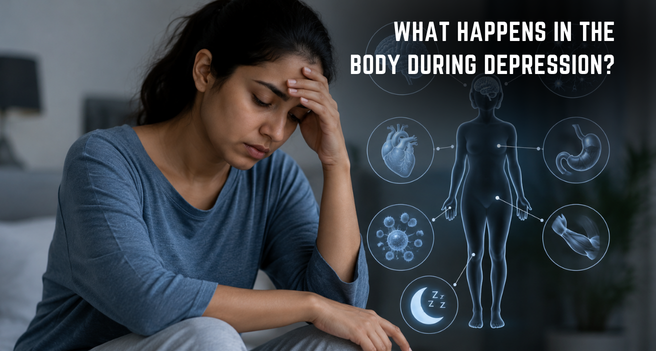
What Happens in the Body During Depression?
Does Depression Cause Fatigue?
Depression and Body Pain in India
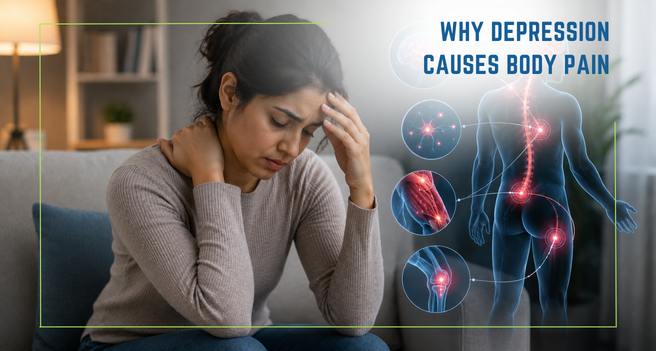
Why Depression Causes Body Pain
Depression Sleep Problems India
Common Depression Sleep Symptoms
Insomnia
Hypersomnia
Non-Restorative Sleep
Gut and Depression Link India
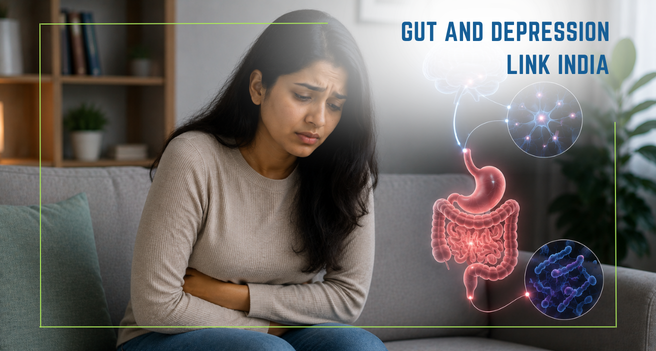
Digestive Symptoms Commonly Seen in Depression
Depression and Hormonal Imbalance
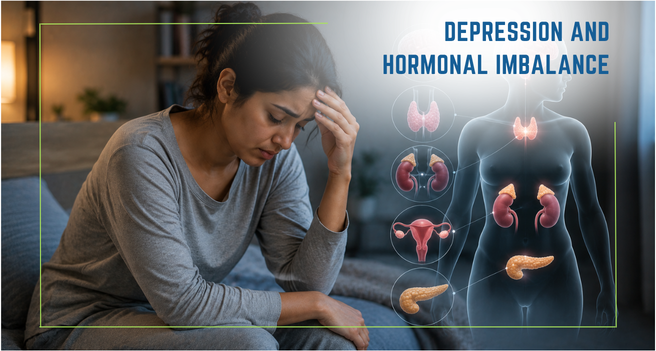
In Women
In Men
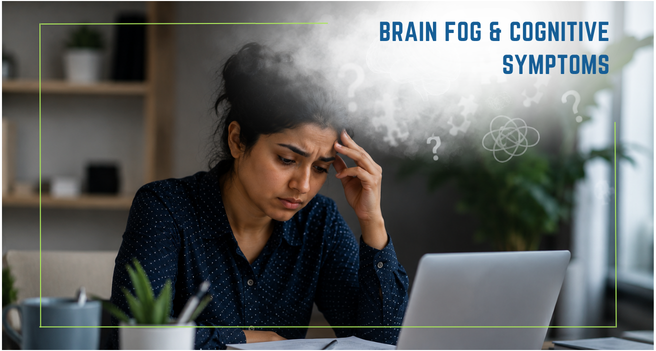
Brain Fog & Cognitive Symptoms
Why Modern Indian Lifestyles Worsen Depression Physiology
Functional & Integrative Approach to Depression Recovery

Root Cause Assessment
Nervous System & Lifestyle Recovery
Gut-Brain & Nutrition Support
When Should You Seek Professional Help?
Conclusion