.png)
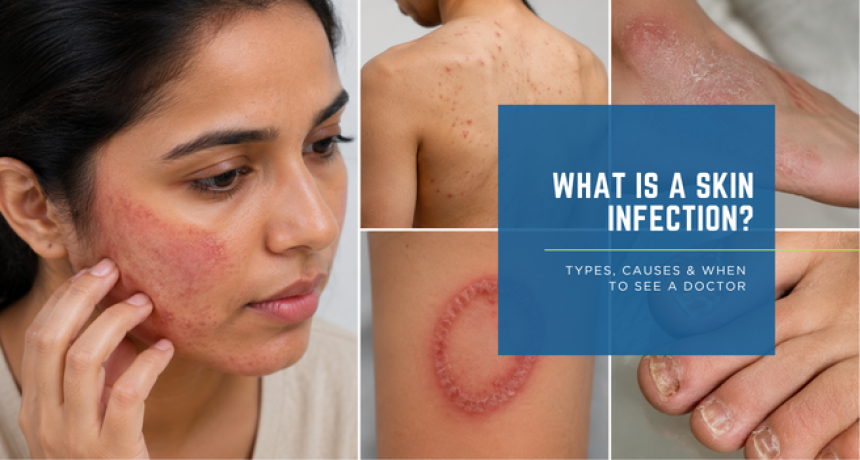
What Is a Skin Infection? Types, Causes & When to See a Doctor

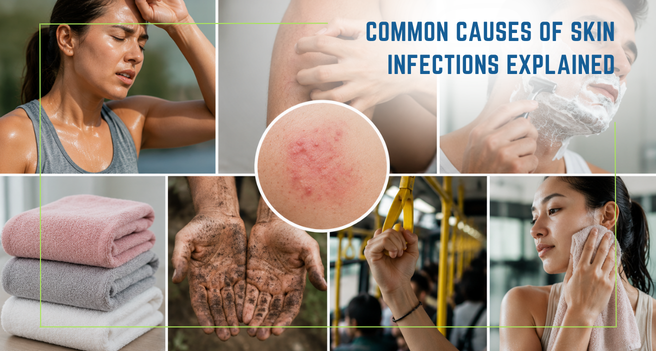
Introduction The skin is the body’s largest protective organ and serves as the first barrier against bacteria, fungi, viruses, allergens, and environmental toxins. However, when this protective barrier becomes damaged or weakened, microorganisms can enter the skin and trigger infections ranging from mild itching and rashes to painful inflammation and deeper tissue involvement. Across India, skin infections are becoming increasingly common due to rising humidity, pollution exposure, excessive sweating, diabetes, weakened immunity, poor gut health, chronic stress, and lifestyle-related inflammation. Research from Indian community studies suggests fungal infections remain among the most common skin conditions, accounting for nearly 27.5% of skin infection cases in some populations, followed by bacterial and parasitic infections. At L&B Clinics, we often see patients treating recurring skin infections only at the surface level with creams or temporary medications without understanding why the skin barrier became vulnerable in the first place. In many individuals, recurring skin infections may indicate deeper issues involving immunity, metabolic dysfunction, inflammation, gut imbalance, hormonal stress, or poor lifestyle recovery. Understanding the type of skin infection is extremely important because bacterial, fungal, viral, and inflammatory skin conditions often look similar but require completely different approaches for recovery. What Is a Skin Infection? Skin Infection occurs when harmful microorganisms such as bacteria, fungi, viruses, or parasites invade the skin and begin multiplying. These microorganisms may affect only the superficial layers of the skin or spread deeper into surrounding tissues depending on the severity of the infection and the person’s immune health. Skin infections usually develop when the natural skin barrier becomes compromised through cuts, excessive moisture, friction, poor hygiene, inflammation, insect bites, or immune dysfunction. Warm and humid environments also increase the growth of infectious organisms, which is why fungal infections are especially common in tropical countries like India. Some skin infections remain mild and localised, while others may spread rapidly and become serious if left untreated. Early identification becomes important because symptoms like redness, itching, pus formation, scaling, swelling, or painful rashes may sometimes indicate deeper bacterial involvement or immune imbalance rather than a simple rash. Research also shows that individuals with diabetes, obesity, weakened immunity, poor circulation, chronic inflammatory disorders, and excessive skin folds are more vulnerable to recurrent skin infections. Types of Skin Infections in India Different microorganisms affect the skin differently. Understanding the major categories helps identify symptoms early and prevents delayed treatment. Bacterial Skin Infection develops when bacteria enter the skin through cuts, wounds, hair follicles, or damaged skin barriers. Common bacterial infections include cellulitis, boils, folliculitis, impetigo, and infected wounds. Bacterial infections often present with: Redness and warmth around the affected area. Swelling, tenderness, or pain that gradually worsens. Pus-filled lesions, boils, or yellow crust formation. Fever or spreading inflammation in severe cases. Research suggests that bacterial infections commonly involve organisms like Staphylococcus aureus and Streptococcus species. In India, bacterial skin infections are particularly common among individuals with uncontrolled diabetes, excessive sweating, poor wound care, obesity, and compromised immunity. 2. Fungal Skin Infections Fungal Skin Infection occurs when fungi grow excessively on warm, moist areas of the body. Fungal infections are extremely common in humid climates and often affect areas such as the groin, feet, underarms, scalp, and skin folds. Common fungal infections include: Ringworm (Tinea) Athlete’s foot Candida infections Scalp fungal infections Symptoms often include: Intense itching and irritation. Circular or ring-shaped rashes. Peeling or flaky skin. Redness and burning sensation in moist areas. Research shows that fungal infections thrive in sweaty environments and are aggravated by tight clothing, poor ventilation, prolonged moisture exposure, and weakened immunity. Indian epidemiological studies also indicate fungal infections remain the most prevalent category of skin infection in several regions due to climate conditions and lifestyle factors. 3. Viral Skin Infections Viral Skin Infection occurs when viruses infect the skin or underlying tissues. Some viral infections remain mild, while others may spread rapidly or reactivate during periods of low immunity or stress. Common examples include: Herpes simplex Shingles Chickenpox Viral warts Molluscum contagiosum Symptoms may include: Painful blisters or fluid-filled lesions. Burning or tingling sensations before eruptions. Fever or body aches in some infections. Clusters of small bumps or wart-like growths. Many viral skin infections are contagious and spread through direct skin contact, contaminated surfaces, or weakened immunity. 4. Parasitic Skin Infections Parasitic Skin Infection develops when parasites such as mites or lice infest the skin and reproduce within or on the skin surface. Common conditions include: Scabies Lice infestation Symptoms often include: Severe itching, especially at night. Small bumps or burrow-like skin markings. Rashes between fingers, wrists, or skin folds. Secondary infection due to excessive scratching. These infections spread rapidly through close physical contact and crowded environments. Bacterial vs Fungal Skin Infection: What’s the Difference? One of the most common reasons for delayed treatment is confusing bacterial and fungal infections because both may appear as red, irritated rashes initially. However, the underlying cause and treatment approach are very different. Bacterial infections usually: Develop quickly and may become painful. Cause warmth, swelling, pus, or tenderness. Spread deeper into tissues if untreated. Require proper medical evaluation to prevent complications. Conditions like cellulitis or infected wounds may worsen rapidly and should never be ignored. Fungal Skin Infection Fungal infections usually: Cause persistent itching and scaling. Thrive in moist areas and skin folds. Spread slowly outward in circular patterns. Become recurrent if moisture and immunity issues persist. Unlike bacterial infections, fungal infections often worsen with excessive steroid cream misuse — something increasingly common in India today. Research shows that inappropriate steroid-containing creams can alter skin immunity and worsen fungal infection spread significantly. Common Causes of Skin Infections Explained Skin infections rarely occur randomly. In most cases, the skin barrier becomes vulnerable due to internal or external triggers that allow microorganisms to multiply excessively. Individuals with weakened immunity are more vulnerable to recurrent infections because the body struggles to control microbial overgrowth effectively. This includes people with: Diabetes Autoimmune disorders Chronic inflammatory disease Nutritional deficiencies High stress levels Research consistently identifies immune dysfunction as a major risk factor for recurrent skin infections. Excess Moisture & Sweat Warm, sweaty environments create ideal conditions for fungal and bacterial overgrowth, especially in Indian summers and humid climates. Common risk areas include: Groin folds Underarms Feet Under the breasts Tight clothing areas Poor Skin Barrier Function Cuts, scratches, insect bites, eczema, over-exfoliation, and harsh skincare products can damage the skin barrier and increase infection risk. When the protective barrier weakens: Microorganisms enter more easily. Inflammation increases rapidly. Healing slows down significantly. Diabetes & Insulin Resistance High blood sugar affects circulation, immunity, wound healing, and inflammatory balance, making skin infections more frequent and harder to control. Research shows diabetic individuals have a significantly higher risk of bacterial and fungal skin infections. Chronic Stress Stress weakens immune resilience and alters inflammatory pathways within the body. Elevated cortisol also disrupts skin barrier repair, increases inflammation, and worsens susceptibility to infections. Many patients notice flare-ups during periods of: Poor sleep Burnout Anxiety Chronic fatigue Common Skin Infection Symptoms in India Symptoms vary depending on the type of infection and severity, but some warning signs commonly appear across multiple skin conditions. Persistent itching or irritation that does not improve easily. Redness, swelling, or warmth around affected skin areas. Circular rashes or scaling commonly seen in fungal infections. Pus-filled boils, crusting, or painful swelling in bacterial infections. Blisters, peeling, or fluid-filled lesions in viral infections. Burning sensation or tenderness around inflamed skin. Research indicates that spreading redness, fever, severe pain, or non-healing wounds may indicate deeper infection requiring immediate medical attention. When Should You See a Doctor? Many mild skin infections improve with early care, but delayed treatment may allow the infection to spread deeper into surrounding tissues. You should seek medical evaluation if: The rash spreads rapidly or becomes painful. Pus, fever, or swelling develops. Symptoms persist despite home treatment. The infection keeps recurring repeatedly. Skin becomes warm, tender, or increasingly inflamed. You have diabetes or weakened immunity. There are signs of infection near the eyes or face. Persistent or recurring infections often indicate deeper immune, metabolic, or inflammatory imbalance rather than just a superficial skin issue. Functional & Integrative Approach to Skin Infections At L&B Clinics, we believe skin health reflects internal health. While conventional treatment may temporarily suppress symptoms, recurring infections often require addressing deeper triggers affecting immunity and inflammation. Our functional and integrative approach focuses on restoring the internal environment supporting healthier skin barrier function. We evaluate: Blood sugar and insulin resistance affecting immunity and inflammation. Nutritional deficiencies impairing skin repair and healing. Gut health and microbiome imbalance linked to chronic inflammation. Stress physiology and nervous system dysregulation affecting immunity. Lifestyle factors disrupting skin barrier resilience. Anti-Inflammatory Nutrition Support Research increasingly links diet and inflammation with skin health. Nutritional protocols may focus on: Reducing excess sugar and ultra-processed foods worsening inflammation. Supporting protein intake for skin repair and recovery. Improving antioxidant intake to reduce oxidative stress. Supporting gut health through fibre-rich and anti-inflammatory foods. Gut & Immune Support Emerging evidence highlights a strong gut-skin connection where microbiome imbalance may influence inflammation, immunity, and skin barrier health. Integrative protocols may include: Gut-supportive nutrition strategies. Improving digestive health and nutrient absorption. Reducing chronic inflammatory load naturally. Supporting immune resilience and skin healing. Lifestyle & Skin Barrier Recovery Recovery also involves: Improving sleep quality and stress management. Avoiding excessive steroid cream misuse. Wearing breathable clothing in humid environments. Maintaining healthy skin hygiene without over-stripping the skin barrier. Conclusion Skin Infection can range from mild fungal rashes to deeper bacterial or viral infections affecting overall skin health. While symptoms may appear similar initially, bacterial, fungal, viral, and parasitic infections require very different approaches for effective recovery. Understanding the root cause becomes especially important in recurring or chronic infections, where factors like immunity, diabetes, stress, gut health, inflammation, and skin barrier dysfunction often play a major role. At L&B Clinics, our integrative and functional medicine approach focuses not only on the visible infection but also on restoring the internal biological environment that supports long-term skin resilience, immune balance, and healthier recovery outcomes.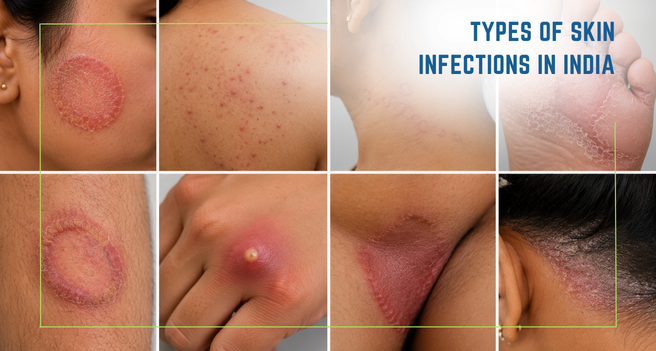
1. Bacterial Skin Infections
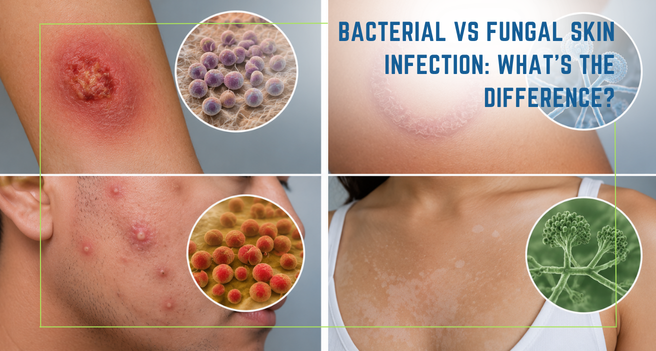
Bacterial Skin Infection
Weak Immune System
Common Symptoms Include:
Root Cause Assessment