.png)
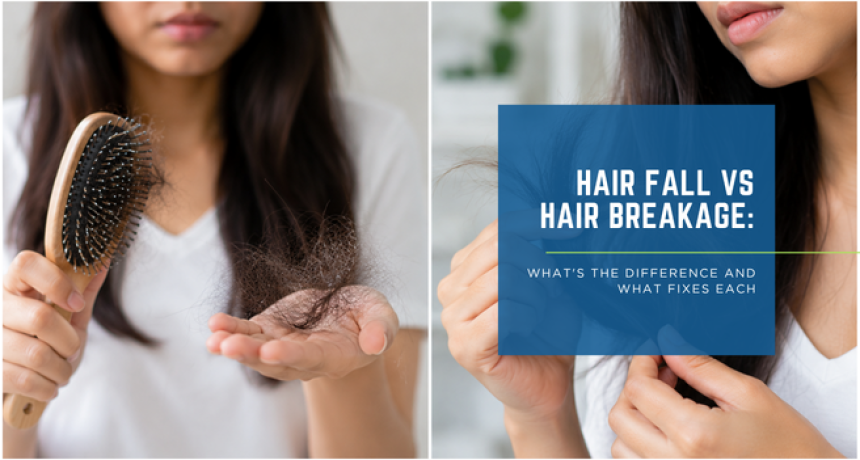
Hair Fall vs Hair Breakage: What's the Difference and What Fixes Each

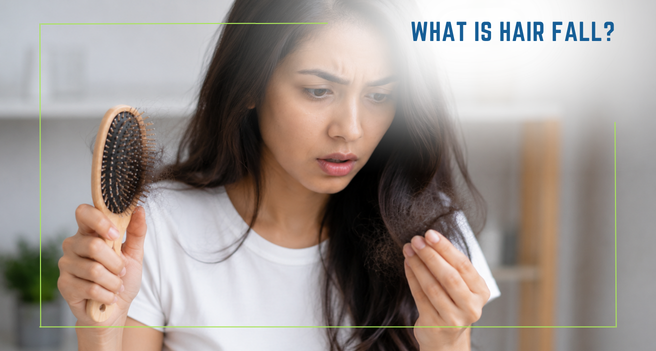
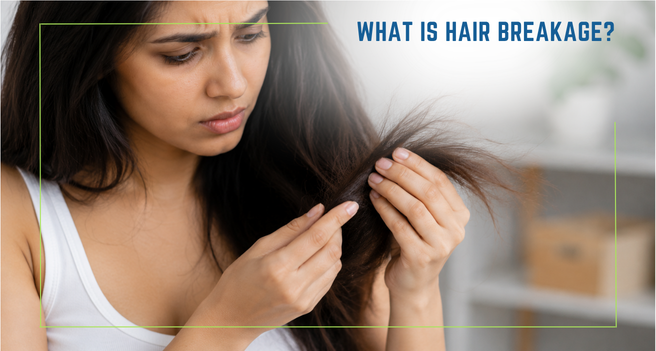
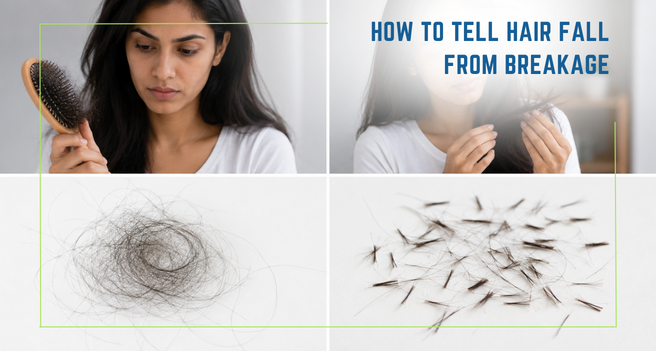
One of the most common reasons people struggle to fix their hair problems is because they confuse hair fall with hair breakage. While both conditions may look similar initially — especially when large amounts of hair appear on the pillow, floor, or hairbrush — the underlying cause behind each issue is completely different. Hair fall usually originates from the scalp and hair follicle itself, meaning the hair sheds directly from the root. Hair breakage, on the other hand, happens when the hair shaft becomes weak, brittle, dry, or damaged and snaps midway rather than falling naturally from the follicle. This distinction is extremely important because the treatment approach for each condition is very different. A person with hormonal hair fall, thyroid dysfunction, stress-related shedding, or nutritional deficiency requires internal root-cause support, while someone experiencing breakage may need scalp barrier repair, protein restoration, hydration support, and reduction of mechanical damage. Across India, both conditions are becoming increasingly common due to pollution exposure, poor sleep, hard water, nutritional deficiencies, heat styling, stress overload, hormonal imbalance, aggressive salon treatments, and inflammatory lifestyle patterns. Research published in the International Journal of Trichology suggests that nutritional deficiency, stress, environmental exposure, and cosmetic practices are major contributors to hair disorders among Indian populations. (pmc.ncbi.nlm.nih.gov) At L&B Clinics, we often see patients spending months trying oils, shampoos, or supplements without first identifying whether the issue is true follicular shedding or structural hair fibre damage. Understanding this difference becomes the foundation of proper hair recovery. Hair Fall refers to excessive shedding of hair directly from the follicle or root. In this condition, the entire strand detaches from the scalp, usually including a small white bulb visible at the root end. Hair fall occurs when: Too many follicles enter the shedding phase together. Hair growth cycles become disrupted. Follicles weaken internally. Hormonal or inflammatory changes affect follicle function. Nutritional deficiencies impair healthy hair cycling. Research shows that hair follicles are highly sensitive to stress hormones, metabolic dysfunction, nutritional status, thyroid activity, and inflammatory signalling pathways. (ncbi.nlm.nih.gov) Hair fall often becomes noticeable during: Washing or combing. Excessive shedding on pillows or clothing. Thinning of the partition. Reduced hair density over time. Visible scalp exposure. The key point is that hair fall originates internally from the scalp and follicle health. Hair Breakage occurs when the hair shaft becomes physically weak and snaps before completing its normal growth cycle. Unlike hair fall, broken strands do not detach from the root. Instead, the hair fibre fractures midway because of structural damage. Breakage usually develops due to: Excessive heat styling. Hair colouring or bleaching. Hard water exposure. Protein damage. Dryness and dehydration. Tight hairstyles and friction. Overwashing or harsh shampoos. Research indicates that repeated cosmetic treatments and environmental stress weaken the hair cuticle, increase friction, and reduce tensile strength, making the hair more vulnerable to snapping. (pubmed.ncbi.nlm.nih.gov) Unlike true hair fall, breakage often makes hair appear: Frizzy. Uneven in length. Dry and rough. Thin near the ends. Difficult to manage. The follicle itself may still be healthy, but the hair fibre structure becomes damaged externally. The easiest way to understand the difference is to identify where the hair is coming from. In hair fall: The strand sheds completely from the scalp. A small white bulb may appear at one end. Hair density gradually decreases over time. The scalp may become more visible. Follicle health becomes compromised internally. Hair fall usually reflects deeper issues involving hormones, stress, nutrition, inflammation, metabolism, or immunity. In hair breakage: The strand snaps midway rather than shedding from the root. Broken strands are usually shorter and uneven. Hair appears frizzy and rough. Split ends become more visible. The scalp may still have normal follicle density. Breakage is primarily a structural hair fibre problem rather than a follicular shedding disorder. Many people are unsure whether they are experiencing shedding or breakage. However, a few simple observations can help differentiate the two. You may be experiencing hair fall if: Long strands with white bulbs appear on your pillow or brush. Hair density reduces gradually over months. The partition becomes wider. The scalp becomes more visible. Shedding increases after stress, illness, or hormonal changes. Hair fall usually affects the overall volume of hair directly from the root level. You may be dealing with breakage if: Hair strands are shorter and uneven in length. Split ends are highly visible. Hair feels rough, dry, or straw-like. Frizz increases significantly. Hair snaps easily during combing or styling. Breakage affects the quality and integrity of the hair shaft rather than the follicle. Hair fall is often driven by internal biological imbalances affecting the scalp and follicle environment. Research shows stress hormones can prematurely push follicles into the shedding phase, leading to diffuse hair fall known as telogen effluvium. (health.harvard.edu) Stress-related shedding is increasingly common due to: Burnout and work stress. Poor sleep quality. Emotional trauma. Illness recovery. Nervous system dysregulation. Hormonal disorders are major contributors to female hair loss in India. Common triggers include: PCOS. Thyroid dysfunction. Insulin resistance. Elevated androgen levels. Menopause-related changes. These conditions gradually weaken follicle cycling and reduce healthy regrowth. Research identifies deficiencies in iron, ferritin, zinc, protein, Vitamin D, and B12 as common contributors to excessive hair shedding. (aad.org) Poor diets, crash dieting, gut inflammation, and processed food intake worsen these deficiencies significantly. Pattern hair loss affects both men and women and gradually shrinks follicles due to DHT sensitivity and hormonal influence. Research suggests androgenetic alopecia affects nearly 50% of men globally by age 50. (ncbi.nlm.nih.gov) Hair breakage is usually linked to external damage affecting the hair shaft structure. Hair breakage due to hard water India is becoming increasingly common in urban regions. Mineral-heavy water may: Increase dryness and roughness. Cause cuticle damage. Increase friction and tangling. Make hair brittle and weak. Research suggests hard water may significantly weaken hair fibre integrity over time. (pubmed.ncbi.nlm.nih.gov) Frequent use of: Straighteners. Curling tools. Hair colouring. Bleaching. Keratin treatments. can weaken the protective cuticle layer and reduce hair elasticity significantly. Hair requires a balance of structural protein and hydration. Excessive dryness or overexposure to harsh products may weaken the shaft and increase snapping. Repeated pulling from: Tight ponytails. Buns. Extensions. Rough towel drying. can increase mechanical stress and breakage. One of the biggest mistakes people make is using the same treatment for both conditions. Since hair fall originates from the follicle, treatment often focuses on: Hormonal balance. Stress regulation. Nutritional correction. Metabolic support. Improving scalp circulation. Reducing inflammation. Without correcting internal imbalances, shedding often continues despite topical products. Breakage recovery focuses more on: Restoring hydration and protein balance. Reducing heat and chemical damage. Improving scalp barrier health. Protecting the cuticle layer. Minimising friction and mechanical stress. The goal is improving fibre strength rather than changing follicle cycling. Hair problems rarely happen randomly. In many individuals, hair becomes one of the earliest visible indicators of deeper physiological stress within the body. At L&B Clinics, we believe proper hair recovery begins with identifying: Whether the issue is shedding or breakage. Hormonal and metabolic imbalances. Nutritional deficiencies. Stress physiology and sleep quality. Gut health and inflammatory burden. Environmental and lifestyle triggers. Research increasingly supports the connection between metabolism, immunity, inflammation, stress, and hair follicle biology. (pmc.ncbi.nlm.nih.gov) Our functional and integrative approach focuses on improving the biological environment supporting healthier follicles and stronger hair structure naturally. We evaluate: Hormonal imbalance and thyroid dysfunction. Nutritional deficiencies affecting follicle health. Gut health and inflammatory markers. Stress physiology and recovery cycles. Lifestyle factors affecting hair quality. Protocols may include: Protein optimisation supporting keratin production. Iron, zinc, Vitamin D, and micronutrient correction. Anti-inflammatory nutrition strategies. Blood sugar stabilisation and metabolic support. Long-term recovery may also involve: Reducing excessive heat exposure. Improving hydration and scalp health. Managing hard water exposure. Improving sleep quality and nervous system regulation. Supporting healthy scalp circulation and repair. You should seek evaluation if: Hair shedding continues longer than 2–3 months. Hair becomes visibly thinner. Bald patches develop suddenly. Hair snaps excessively despite good care. The scalp becomes inflamed or itchy. Hair texture changes dramatically. Early diagnosis often prevents long-term follicle weakening and chronic structural damage. Understanding the difference between hair fall and hair breakage is one of the most important steps toward effective hair recovery. Hair fall originates internally from the follicle and is usually linked to hormones, stress, inflammation, nutrition, or metabolism. Hair breakage, however, develops when the hair shaft itself becomes weak, dry, or structurally damaged. Because both conditions involve completely different mechanisms, treatment should never follow a one-size-fits-all approach. Identifying the real cause behind your hair issue allows for more targeted and effective recovery strategies. At L&B Clinics, our functional and integrative approach combines root-cause assessment, anti-inflammatory nutrition, metabolic optimisation, stress regulation, scalp health support, and long-term lifestyle recovery strategies designed to improve both follicle health and hair fibre strength naturally.Introduction
What Is Hair Fall?
What Is Hair Breakage?
Hair Fall vs Hair Breakage: The Main Difference
Hair Fall Starts at the Root
Hair Breakage Happens Along the Shaft
How To Tell Hair Fall From Breakage
Signs Suggesting Hair Fall
Signs Suggesting Hair Breakage
Common Causes of Hair Fall in India
Chronic Stress & Cortisol Imbalance
Hormonal Imbalance & PCOS
Nutritional Deficiencies
Androgenetic Alopecia
Common Causes of Hair Breakage in India
Hard Water Exposure
Heat Styling & Chemical Treatments
Protein & Moisture Imbalance
Tight Hairstyles & Friction
Hair Fall Treatment vs Breakage Treatment
Hair Fall Requires Internal Root-Cause Support
Hair Breakage Requires Structural Hair Repair
Why Hair Health Diagnosis Matters
Functional & Integrative Approach to Hair Recovery
Root Cause Assessment
Functional Nutrition Support
Hair Barrier & Lifestyle Recovery
When Should You Seek Professional Help?
Conclusion