.png)
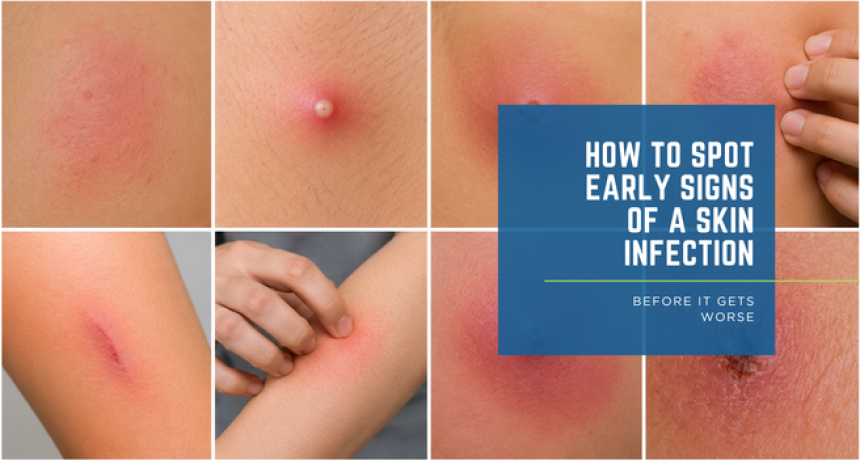
How to Spot Early Signs of a Skin Infection Before It Gets Worse

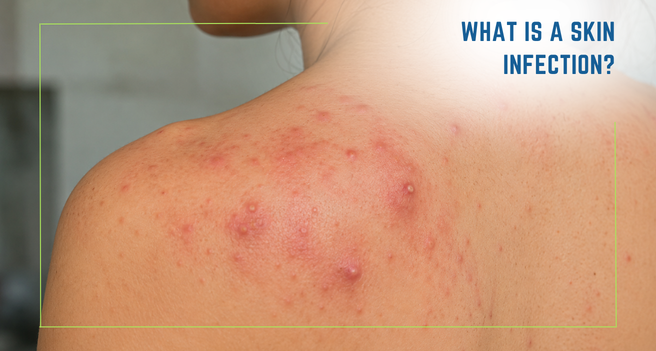
Most skin infections do not become severe overnight. In many cases, the body gives subtle warning signs long before a rash, wound, or irritation turns into a painful or spreading infection. The problem is that these early symptoms are often ignored, self-treated incorrectly, or mistaken for “normal irritation” until the infection becomes more aggressive and difficult to control. Across India, skin infections are becoming increasingly common due to humidity, excessive sweating, diabetes, pollution exposure, poor wound care, rising antibiotic resistance, compromised immunity, and widespread misuse of steroid creams. Research suggests that superficial skin infections remain among the most common dermatological conditions seen in outpatient clinics across India. (nih.gov) At L&B Clinics, we frequently see patients who initially ignored mild redness, itching, swelling, or skin irritation only to later develop spreading fungal infections, painful bacterial infections, inflamed wounds, or chronic recurrent skin issues. Early identification becomes extremely important because skin infections are usually much easier to manage during the initial stages before deeper inflammation or tissue involvement develops. Understanding how skin infections progress — and recognising the early warning signs — can help prevent complications, reduce recurrence, and support faster recovery. A Skin Infection occurs when harmful microorganisms such as bacteria, fungi, viruses, or parasites invade the skin and begin multiplying. This usually happens when the protective skin barrier becomes weakened through: Cuts or wounds. Excessive moisture and sweating. Insect bites. Skin inflammation. Friction or irritation. Poor hygiene. Weak immunity. Depending on the organism involved, infections may remain superficial or spread deeper into surrounding tissues. Some infections progress slowly over weeks, while others worsen rapidly within days. Research shows bacterial infections commonly involve organisms like Staphylococcus aureus and Streptococcus species, while fungal infections thrive in warm and humid environments. (medlineplus.gov) One of the biggest mistakes people make is waiting until the infection becomes painful, swollen, or visibly severe before seeking help. Early intervention matters because: Mild infections are easier to control. Deeper tissue spread can often be prevented. Chronic inflammation causes less skin damage. Recovery tends to be faster. Recurrence risk may reduce significantly. Research indicates that delayed treatment increases the risk of cellulitis, abscess formation, chronic fungal spread, and secondary infections. (mayoclinic.org) In individuals with diabetes or compromised immunity, delayed wound management may become especially risky. The earliest symptoms are often subtle and easy to ignore. However, recognising these warning signs can prevent progression into more severe infection stages. One of the earliest signs of skin infection is redness that does not improve or gradually spreads outward. Healthy skin irritation usually settles within a short period. However, infected skin often: Appears increasingly inflamed. Spreads beyond the original area. Feels irritated continuously. Develops uneven borders. In bacterial infections, redness may feel warm and tender. In fungal infections, redness often appears itchy and ring-shaped. When infection develops, the body increases blood flow to the affected area as part of the immune response. This often causes the skin to feel unusually warm compared to surrounding areas. Warmth around the skin may indicate: Early bacterial involvement. Active inflammation. Spreading infection. Immune activation around damaged tissue. Research shows warmth and tenderness are common early signs of bacterial skin infections such as cellulitis. (medlineplus.gov) Mild swelling is another common warning sign that the body is reacting to infection internally. Early swelling may: Feel tight or puffy. Become painful when touched. Worsen gradually over time. Affect nearby skin areas. Painful swelling usually requires closer evaluation because it may indicate deeper bacterial inflammation rather than superficial irritation. Itching is commonly associated with fungal skin infections and early inflammatory skin changes. Fungal infections often begin with: Mild itching in sweaty areas. Burning sensation in skin folds. Circular itchy patches. Irritation worsening after sweating. Research suggests fungal organisms thrive in warm and humid environments, making chronic itching a common early symptom in tropical climates like India. (apollohospitals.com) If itching continues worsening despite regular skincare, underlying fungal involvement should be considered. Healthy skin irritation rarely causes persistent pain. Pain often indicates: Active inflammation. Tissue involvement. Bacterial infection progression. Nerve irritation. Burning or throbbing sensations should not be ignored, especially when combined with redness or swelling. One of the clearest warning signs of infection is abnormal fluid formation. Signs may include: Yellow or white pus. Sticky discharge. Fluid-filled blisters. Crusting around wounds. Wet or oozing skin areas. Research shows pus formation often indicates bacterial infection and immune cell accumulation around infected tissue. (medlineplus.gov) Any wound producing pus should be evaluated properly rather than repeatedly covered without treatment. As inflammation increases, infected skin may: Feel stretched or tight. Become firm underneath. Lose flexibility. Develop painful pressure sensation. This may indicate worsening inflammatory involvement beneath the skin surface. More advanced infections may trigger systemic symptoms such as: Fever. Chills. Fatigue. Body aches. Weakness. Research suggests fever alongside skin redness or swelling may indicate deeper bacterial spread requiring urgent medical attention. (mayoclinic.org) Not every cut or scrape becomes infected. Healthy skin and immune systems usually repair small wounds effectively. However, infection risk increases when: The wound remains moist or dirty. Hygiene is poor. There is excessive scratching. Blood sugar is uncontrolled. The immune system is weakened. The wound is repeatedly irritated. Research indicates diabetes significantly increases the risk of infected wounds due to impaired circulation and delayed healing. (cdc.gov) An infected wound usually worsens rather than heals progressively. Increasing redness around the wound. Swelling or warmth developing nearby. Pain worsening instead of improving. Yellow discharge or pus formation. Foul smell from the wound. Delayed healing over several days. Skin becoming darker or inflamed around edges. At L&B Clinics, we often advise patients not to ignore wounds that continue changing appearance after the first few days of healing. Understanding how infections progress helps identify when immediate medical support becomes necessary. Early symptoms may include: Redness. Mild itching. Slight warmth. Minor irritation. This stage is often ignored because symptoms appear mild. As microorganisms multiply: Swelling increases. Pain or itching worsens. The rash spreads outward. Fluid or pus may appear. The skin barrier weakens further. At this stage, proper treatment becomes important to prevent deeper spread. More severe infections may cause: Significant pain. Larger areas of redness. Hardness beneath the skin. Fever or fatigue. Spreading inflammation. Research shows bacterial infections like cellulitis can spread rapidly into deeper tissues if untreated. (mayoclinic.org) Without proper root-cause correction, some infections become: Recurrent. Resistant to treatment. Chronic and inflammatory. Difficult to control long term. This is especially common in fungal infections worsened by steroid misuse and unresolved metabolic dysfunction. Recurring infections often indicate deeper biological imbalance rather than just a surface-level skin issue. Common contributing factors include: Diabetes and insulin resistance. Poor immunity. Chronic inflammation. Excess sweating. Tight synthetic clothing. Nutritional deficiencies. Poor sleep and chronic stress. Steroid cream misuse. Research increasingly supports the connection between inflammation, immunity, metabolic health, and chronic skin conditions. (pmc.ncbi.nlm.nih.gov) At L&B Clinics, we believe recurring skin infections should not be viewed only as isolated skin problems. In many individuals, they reflect deeper dysfunction involving immunity, metabolism, inflammation, stress physiology, and skin barrier resilience. We evaluate: Blood sugar and metabolic health. Nutritional deficiencies. Inflammatory burden. Gut health and microbiome balance. Stress physiology and sleep quality. Lifestyle triggers affecting skin recovery. Long-term skin resilience often requires: Improving skin barrier integrity. Reducing chronic inflammation. Wearing breathable clothing. Managing excessive sweating. Supporting immune resilience naturally. Avoiding unnecessary steroid cream misuse. Research increasingly links diet quality with inflammatory skin conditions and immune health. Protocols may focus on: Reducing ultra-processed foods. Improving protein and antioxidant intake. Supporting gut microbiome diversity. Stabilising blood sugar and inflammation. Seek urgent medical attention if: Redness spreads rapidly. Fever develops. Pain becomes severe. Pus formation increases. The wound becomes black or extremely swollen. You have diabetes or compromised immunity. Symptoms worsen despite treatment. Early intervention can prevent complications and deeper tissue involvement. Most skin infections begin with subtle warning signs long before they become severe. Persistent redness, warmth, swelling, itching, discharge, pain, or delayed wound healing may all indicate that the skin barrier has become infected and inflamed. Recognising these early symptoms is extremely important because prompt treatment often prevents deeper spread, chronic recurrence, and long-term skin damage. In India’s humid climate — combined with rising diabetes, stress, inflammatory lifestyles, and steroid misuse — skin infections are becoming increasingly common and recurrent. At L&B Clinics, our functional and integrative approach focuses not only on treating the visible infection but also on improving immunity, metabolic health, skin barrier resilience, inflammation control, and long-term recovery through personalised root-cause support strategies.Introduction
What Is a Skin Infection?
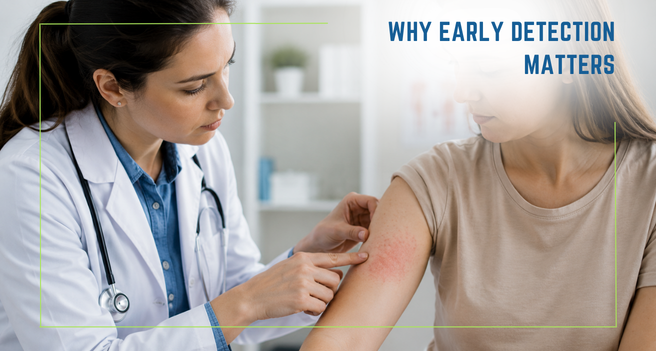
Why Early Detection Matters
Early Signs of Skin Infection
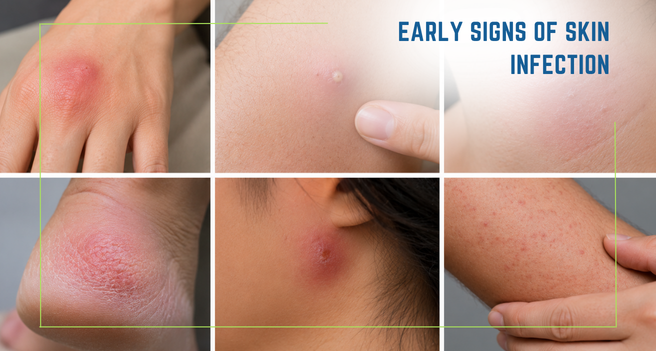
1. Persistent Redness
2. Increased Warmth Around the Skin
3. Swelling & Tenderness
4. Persistent Itching
5. Pain or Burning Sensation
6. Fluid, Pus, or Discharge
7. Skin Becoming Hard or Tight
8. Fever or Fatigue
When Does a Skin Wound Get Infected?
Signs of an Infected Skin Wound
Common Signs Include:
Skin Infection Progression Stages
Stage 1: Mild Irritation & Inflammation
Stage 2: Active Localised Infection
Stage 3: Deeper Tissue Involvement
Stage 4: Chronic or Recurrent Infection
Why Skin Infections Keep Returning
Functional & Integrative Approach to Skin Health
Root Cause Assessment
Skin Barrier & Lifestyle Recovery
Anti-Inflammatory Nutrition Support
When Should You See a Doctor Immediately?
Conclusion