.png)
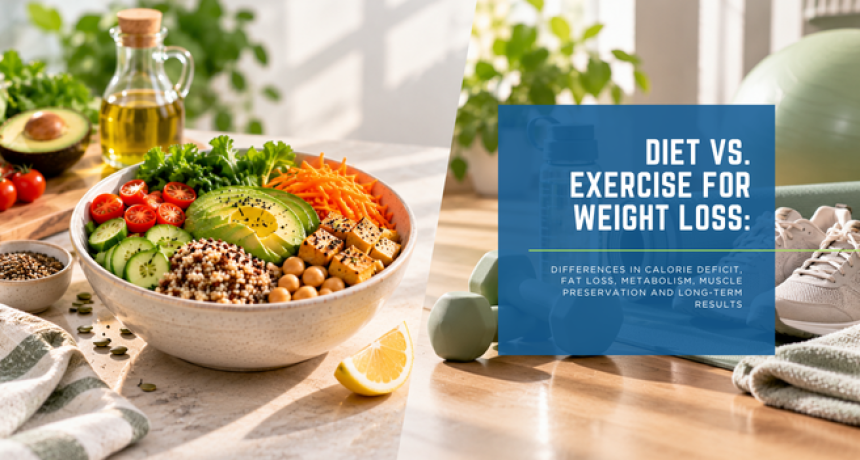
Diet vs. Exercise for Weight Loss: Differences in Calorie Deficit, Fat Loss, Metabolism, Muscle Preservation and Long-Term Results

Table of Contents: Introduction Diet vs. Exercise for Weight Loss: What Is the Difference? (Definitions) 7 Key Differences Between Diet and Exercise for Weight Loss Diet vs. Exercise at a Glance Weight Loss Diet vs. Exercise: Which Should You Prioritise? Can You Lose Weight With Diet Alone? Can You Lose Weight With Exercise Alone? Cardio vs. Strength Training for Fat Loss 7 Ways to Combine Diet and Exercise for Sustainable Fat Loss Common Mistakes That Can Slow Down Weight Loss When Should You Seek Professional Weight Management Support? How LB Clinics Approaches Weight Loss Differently Final Note Frequently Asked Questions You can follow a strict diet, spend hours working out in the gym but still your weight is stuck at one point for a long time. That is where the difference between eating for weight loss and exercising for weight loss becomes important. With a weight loss diet, you can know how many calories you consume and with exercise for weight loss, you can see how your body uses energy, maintains muscle and responds to physical activity. Understanding diet vs. exercise for weight loss means looking beyond calorie counting to factors such as fat loss, metabolism, muscle preservation and long-term weight management. Let us compare the two to understand what works, why it matters and how to build an approach that supports lasting progress through this blog. Diet vs. Exercise for Weight Loss: What Is the Difference? Diet for weight loss means following a balanced eating plan that control your calorie intake while providing all essential nutrients. You eat food in appropriate portions and healthy eating habits to support a calorie deficit and gradual fat loss. Exercise for weight loss means regular physical activities that increase energy expenditure and support changes in body composition. It includes activities such as walking, cycling, swimming and strength training to support long-term weight management. 7 Key Differences Between Diet and Exercise for Weight Loss Diet and exercise affect weight loss through different mechanisms. Understanding their roles in calorie deficit, fat loss, metabolism and muscle preservation, you can choose the best way for yourself to support your weight management journey. 1. Calorie Deficit: Which Has a Bigger Impact?
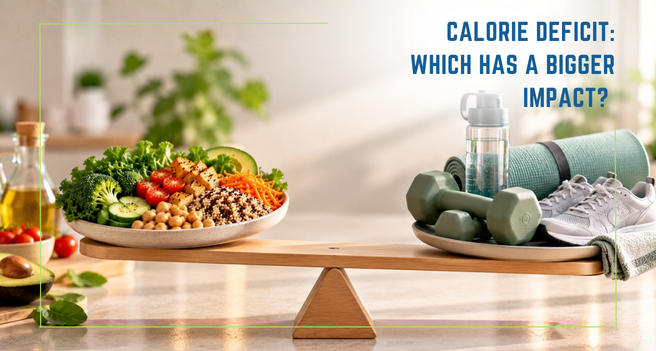
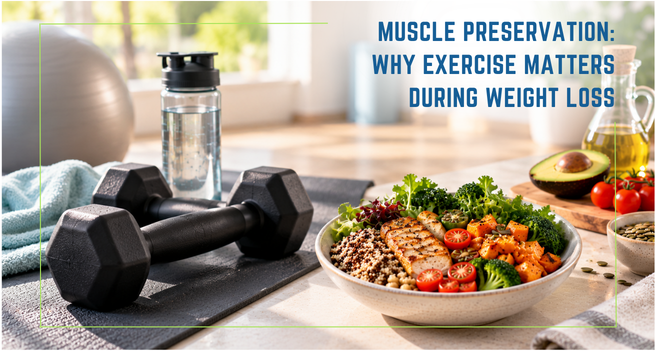
A calorie deficit occurs when your body burns more calories than it consumes. Both diet and exercise plays an important role but dietary changes create a calorie deficit more easily than relying on exercise alone. What to Consider: Avoid extreme calorie restrictions for quick results. Do not overestimate calories burned during workouts. Focus on consistency rather than rapid weight loss. Combine manageable dietary changes with regular movement. 2. Fat Loss: How Diet and Exercise Affect Body Fat Fat loss means reducing stored body fat. It includes changes in muscle mass and water weight. Both nutrition and physical activity influence body composition, which make them an important part of a fat-loss plan. What to Consider: Include protein-rich foods in your meals. Combine aerobic activities with resistance training. Track changes in body composition alongside body weight. 3. Metabolism: Does Diet or Exercise Improve Metabolic Health? Metabolism involves the processes through which your body converts food into energy and maintains essential functions. Your nutritional intake, activity levels and muscle mass all influence your metabolic health. What to Consider: Avoid crash diets and prolonged extreme calorie restriction. Include strength training in your routine. Prioritise balanced meals with the right amount of protein. Maintain regular physical activity. 4. Muscle Preservation: Why Exercise Matters During Weight Loss Losing weight does not always mean losing body fat alone. Calorie restriction can also lead to reductions in lean body mass. Even sufficient sleep and rest allow muscles to recover after physical activity. What to Consider: Include protein sources such as dal, paneer, eggs and curd. Incorporate resistance exercises into your weekly routine. Avoid excessive calorie restriction. Give a proper time to your body for muscle recovery. 5. Appetite and Hunger: How Diet and Exercise Affect Eating Habits Hunger and appetite can make a great change in your weight loss plan because food choices, meal composition and physical activity differ between individuals. Thus, balanced meals at regular intervals prevent excessive hunger & unplanned snacking. What to Consider: Include vegetables, fruits and whole grains in your meals. Avoid skipping meals if it leads to overeating. Stay hydrated throughout the day. Plan nutritious snacks around your activity schedule. 6. Long-Term Results: Which Approach Helps Maintain Weight Loss? Losing weight is only one part of the journey but maintaining those results requires a consistent lifestyle. Sustainable eating patterns and regular physical activity can help you maintain progress without depending on restrictive diets or intense exercise routines. What to Consider: Choose an eating plan that suits your daily routine. Set realistic and achievable fitness goals. Avoid frequently switching between restrictive diets. Prioritize consistency over quick-result programs. 7. Overall Health: Why Both Matter Beyond the Weighing Scale Weight management is not just about reducing numbers on the weighing scale. Your food choices and activity levels also influence cardiovascular fitness, muscle strength, energy levels and overall well-being. What to Consider: Include a variety of nutrient-dense foods in your diet. Combine aerobic activities with muscle-strengthening exercises. Maintain a consistent daily activity routine. Measure progress through overall health and fitness, not just body weight.
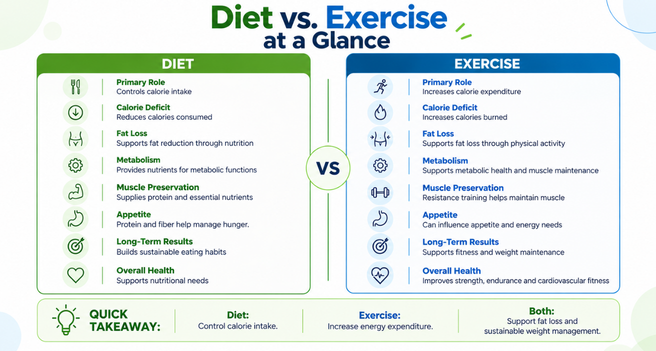
Diet vs. Exercise at a Glance
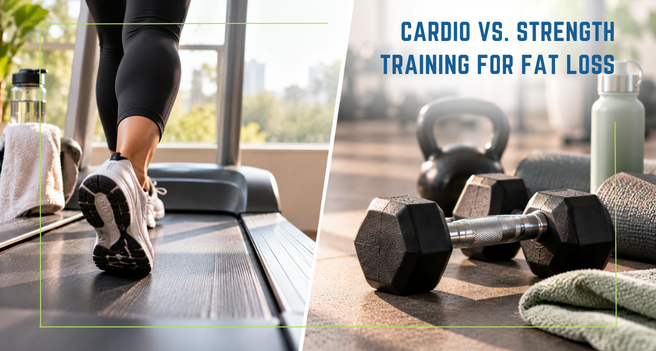
Quick Takeaway: Diet: Control calorie intake. Exercise: Increase energy expenditure. Both: Support fat loss and sustainable weight management. Weight Loss Diet vs. Exercise: Which Should You Prioritise? If your primary goal is to lose weight, start by reviewing your eating habits and daily calorie intake. A balanced weight loss diet makes it easier to manage a calorie deficit, while exercise for weight loss gives you improved physical fitness. However, prioritizing one does not mean ignoring the other. Prioritize diet: If you struggle with portion sizes, frequent snacking or high-calorie food choices, start by improving your eating habits. Prioritize exercise: If you have a sedentary lifestyle then introduce walking, cycling or strength training into your routine. Focus on both: If your goal is sustainable fat loss then combine balanced nutrition with regular physical activity. For long-term weight management: Build habits that you can maintain rather than following restrictive diets or intense workout schedules. Gist: Ultimately, diet and exercise serve different purposes. Combining both with a realistic routine is a more sustainable approach to managing your weight. Can You Lose Weight With Diet Alone? Yes, you can lose weight through diet alone by maintaining a calorie deficit even without following a regular exercise routine. A balanced weight loss diet with appropriate portions and nutrient-rich foods (vegetables, fruits, whole grains, lentils, eggs, nuts and low-fat dairy products) can help you in reducing your body weight. Combining healthy eating habits with regular exercise will provide you additional benefits. Can You Lose Weight With Exercise Alone? Yes, you can lose weight through exercise alone by increasing daily calorie expenditure through activities such as brisk walking, cycling, swimming and strength training. Regular physical activity helps burn calories, improve fitness and support muscle health. However, weight loss is slower if your calorie intake remains high. Combining exercise with balanced eating habits to achieve sustainable weight management. Cardio vs. Strength Training for Fat Loss Both aerobic and muscle-strengthening activities have an important role in maintaining physical fitness. The Ministry of Health and Family Welfare's guidance for adults aged 18–64 years recommends at least 150 minutes of moderate-intensity aerobic activity per week or 75 minutes of vigorous-intensity activity. It also highlights the importance of muscle-strengthening activities involving major muscle groups on at least two days a week. The difference between them is as follows: 7 Ways to Combine Diet and Exercise for Sustainable Fat Loss Sustainable fat loss requires more than reducing food intake or increasing workout intensity. Small changes in how you plan meals, structure physical activity and manage daily routines can help you build a balanced approach that fits your lifestyle. Distribute your daily protein intake across meals to support muscle recovery. Plan your meals around your workout schedule to maintain energy levels during physical activity. Increase everyday movement by taking walking breaks instead of sitting for long hours. Gradually increase workout intensity as your strength, stamina and fitness are improving. Choose seasonal, locally available foods to make healthy eating easier as well as more affordable. Alternate heavy workout days with lighter activities to avoid excessive physical strain on your body. Review your eating habits with activity levels regularly to identify what needs adjustment. Common Mistakes That Can Slow Down Weight Loss When Should You Seek Professional Weight Management Support? Go with the professional weight management support if you struggle to achieve your goals despite making changes to your diet and exercise routine. Frequent weight fluctuations, difficulty maintaining healthy habits, existing health conditions or uncertainty about your nutritional and fitness needs may also require expert guidance. A personalized approach can help you set realistic goals, understand your body's requirements and follow a sustainable weight management plan. How LB Clinics Approaches Weight Loss Differently At LB Clinics, weight loss is approached through personalized care rather than a one-size-fits-all diet or fitness plan. Our weight management programs have supported 14,300+ patients, achieved 92% BMI improvement and maintained an 87% satisfaction rate in weight management. Our Fat Loss and Weight Management Program focuses on: Understanding Individual Needs: We analyze lifestyle, dietary habits and health history to identify factors that lead to weight gain. Customized Plans: We create personalized meal and fitness plans according to the individual requirements. Nutrition Guidance: Developing diet plans according to individual metabolic needs. Lifestyle Modifications: Incorporating mindful eating, physical activity, stress management and sleep optimization. Regular Health Assessments: Monitoring progress and adjusting plans according to individual needs. Personalized Support: Providing guidance through a dedicated health counselor. Final Note There is no single formula for weight loss that works equally for everyone. Your food choices, activity levels, muscle health and daily habits are all that influence your weight management journey. Instead of chasing quick results, pay attention to what your body needs and make adjustments accordingly. As progress is not only about the changes on the weighing scale. Better strength, fitness and healthier routines also matter. Ready for a healthier you? Let LB Clinics help you make every step count! Frequently Asked Questions 1. Why am I not losing weight despite dieting and exercising? Inconsistent calorie intake, inaccurate portion estimates, inadequate sleep, stress and changes in activity levels can affect weight loss progress. 2. Does losing weight mean losing body fat? No, weight loss involves reductions in body fat, muscle mass and water weight. Tracking body composition and waist measurements can help you understand changes beyond the weighing scale. 3.What is the best way to lose weight naturally in 2026? The best way is to combine balanced meals, appropriate portion sizes, regular physical activity, sufficient sleep and consistent lifestyle habits