Underrated Secrets of Boiled Veggies | L&B Clinics
Ever wondered how your favorite actors, cricketers, and football players keep themselves fit? Well, the secret is boiled vegetables.
Alia Bhatt eats boiled veggies to maintain her figure and health.
As per ABP News, Alia Bhatt's lunch includes boiled veggies and chappatis. Despite being the busiest actor, she never compromises on her health.
Talking about Virat Kohli, we all know how strict he is about his diet, and eating boiled veggies is one of them.
When your favorite players & actors are following this diet, why can't you?
Boiled veggies are said to be very nutritious and good for health. But that's not it!
Many more aspects of boiled veggies hold, and we might be unaware of them. As per Ayurvedic beliefs, boiled veggies are preferred for their ease of digestion and better absorption by the body.
Boiling vegetables is often underrated!
Have you ever thought that boiled veggies prevent chronic diseases like cancer, cardiovascular diseases, and diabetes?
Well, that's true.
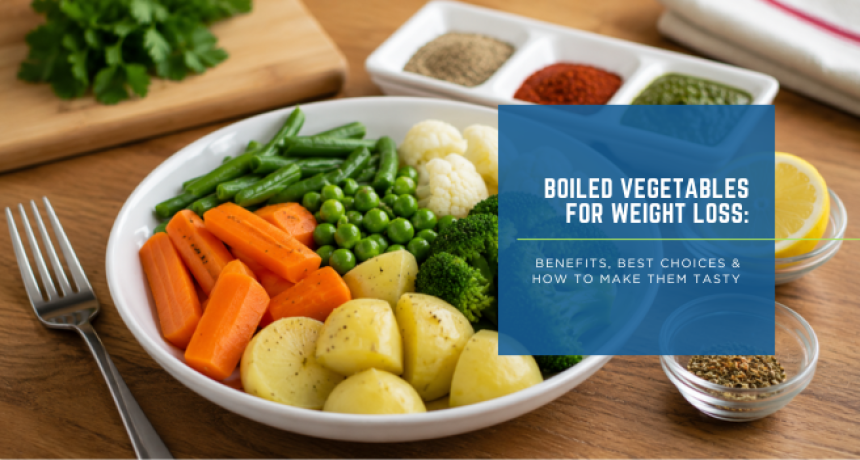
Boiled veggies are said to be a good choice to include in our diet for their easily digestible properties, availability of certain nutrients, and help in the weight loss journey.
Let's get into more details about how boiled veggies prevent chronic diseases, how they affect our health, and how we can turn these boring veggies into something more interesting.
Boiled veggies offer various health benefits because of their high nutritional content, which contains vitamins, minerals, dietary fiber, and bioactive substances.
The World Health Organization also recommends taking 400–600 grams of boiled veggies per day to prevent nutritional deficiencies and support overall health.
🥗
Vitamins & Minerals
Rich in vitamin C, vitamin A, and folate, along with potassium, magnesium, and calcium — maintaining metabolism and cardiovascular health.
Regular intake lowers the risk of cancer, cardiovascular disease, diabetes, and kidney stones through antioxidant properties that support the body's detoxification process.
🥗
Keeps Skin Healthy
Boiling maintains more nutrients than other cooking methods. When your body is healthy, it shows through healthy, beautiful skin.
⚠️ Important: Even though boiled veggies work great for health, boiling them too much can remove various nutrients, minerals, and antioxidant properties. Studies show boiling can result in a 40–68% loss of folates and a 44–51% loss of vitamin C. For example, boiling broccoli and spinach loses 20–30% of lutein and β-carotene, but steaming maintains their nutritional properties. Whereas boiling vegetables like carrots and sweet potatoes actually increases their nutritional value.
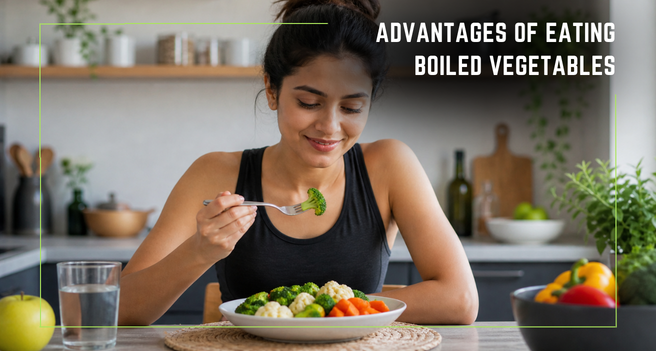
Advantages of Eating Boiled Vegetables
✓ Advantages
Gentle on digestion — ideal for people with IBS, acidity, or recovering from illness.
Helps reduce fat/oil intake since no frying is needed.
Retains minerals like potassium and calcium better than frying.
Enhances antioxidant activity in some veggies (e.g., carrots, spinach, broccoli).
Aids weight management by keeping meals light and low-calorie.
✗ Disadvantages
Water-soluble vitamins (Vitamin C, B1, B6, folate) may be lost during boiling.
Overcooking can lead to mushy texture and nutrient loss.
Lack of variety — relying only on boiled food may reduce diet diversity.
Not ideal for all veggies (e.g., leafy greens can lose too much Vitamin C).
At L&B Clinics, we often recommend boiled vegetables to patients with digestive issues, post-surgery recovery, or chronic conditions like fatty liver, as they are easier for the gut to handle.
Want a diet plan built around your health needs?Our specialists at L&B Clinics assess your nutrition, metabolism, and health goals to create a plan that works for you.
So, how do you understand the correct measure of boiling veggies?
To understand the correct measure for boiling veggies, factors such as veggie type, size, and texture are a must to consider. Let's understand it in more detail.
Veggie Type
Green leafy veggies like spinach and kale are easy to boil compared to solid veggies like potatoes and carrots. It is important to understand the time difference between their boiling points.
Size
Size does play a major role when boiling veggies. Small, soft, and thin veggies will cook faster than large and thick veggies.
Boiling Time
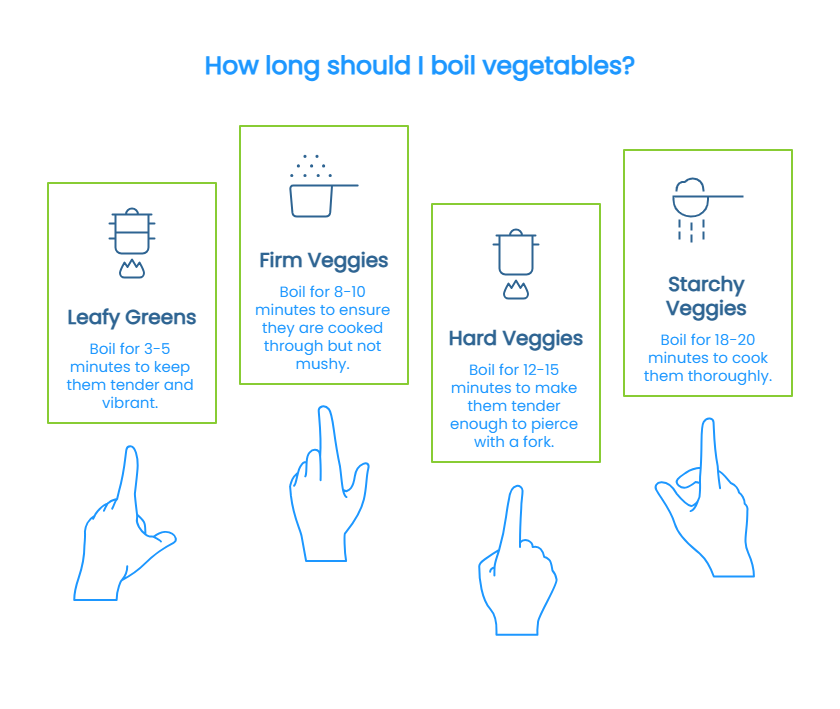
Each veggie, whether leafy or solid, has a different boiling time. For example:
Green Leafy Veggies
Kale, bok choy, cabbage
3–5 minutes
Firm Veggies
Beans, cauliflower, peas
8–10 minutes
Hard Veggies
Carrots, pumpkin, sweet potatoes
12–15 minutes
Starchy Veggies
Potatoes, swedes
18–20 minutes
Boiled veggies tend to have more nutritional properties, texture, and flavor when boiled for the right time. It retains the flavor, nutrients, and texture. Make sure to follow the right time while boiling veggies.
You can also check if the veggies are boiled or not by using a fork or a knife. Insert the fork or knife into the veggies to check they are boiled properly and not mushy.
💡 Pro Tip: After boiling, immediately drain the cooked water and keep your boiled veggies in ice water. Ice water will stop the cooking process and retain the natural color and texture, enhance the flavor, and maintain the quality.
Now that you know the advantages of boiled veggies, it's time for a very interesting part.
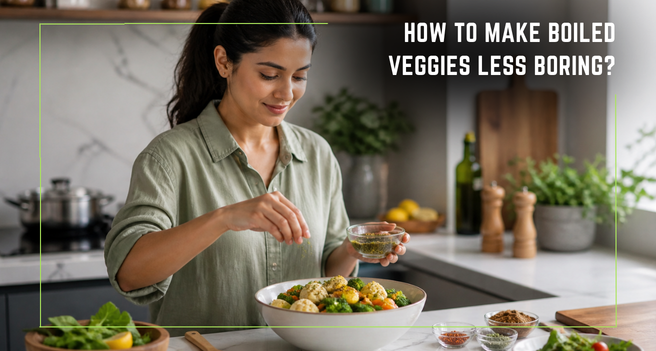
How to make boiled veggies less boring?
Boiled veggies are boring, but to make them more interesting, the following are certain elements that you can add to enhance the taste:
Herbs and SpicesYou can include some flavorful herbs and spices like rosemary, thyme, garlic, parsley, cinnamon, chili powder, etc., to enhance the taste and make it less bland.
Citrus JuiceSqueeze some lemon juice or lime juice to make it a refreshing taste, giving your taste buds some more flavors.
Salad DressingOlive oil, vinegar, mustard, etc., are the best-known salad dressings. Why not for your boiled veggies? You can include them too to enhance the texture.
Ginger & GarlicYou can add sliced or diced ginger or garlic too. They are highly nutritious and will help make it more tasty.
Nutrient Comparison: Raw vs Boiled Veggies
Nutrient
Raw Vegetables
Boiled Vegetables
Vitamin C
High
↓ Decreases significantly
Vitamin B group
Moderate
↓ Decreases during boiling
Antioxidants (Carotenoids, Lycopene)
Moderate
↑ Becomes more bioavailable
Fiber
Stable
Stable
Minerals (Potassium, Calcium, Iron)
Stable
Largely retained
According to Harvard Health, boiling enhances carotenoid and antioxidant availability in vegetables like carrots and spinach, even though some water-soluble vitamins are reduced.
Conclusion
Boiled veggies play a vital role in your overall health, but eating boiled veggies in excess amounts can lead to certain digestive issues, weight imbalance, dehydration due to excess fiber intake, kidney stones, etc.
Thus, it is always recommended to consult a proper specialist who understands your dietary needs.
Get Expert Dietary Guidance
To get a consultation from qualified health specialists in Delhi, visit L&B Clinics. Our specialists provide you with the right diet by determining your body's nutrition needs, metabolism, etc., along with regular health assessments.
Not always. Some nutrients (Vitamin C, B vitamins) reduce, but antioxidants like carotenoids become more available. A mix of raw and boiled is best.
Carrots, spinach, beets, broccoli, and potatoes retain good nutrition after boiling.
Yes, steaming preserves more Vitamin C and B vitamins compared to boiling.
Yes, they are low-calorie, filling, and digestion-friendly.
Yes, boiled vegetables are easier to chew and digest, making them ideal for children, elderly, or patients recovering from illness.
Eating boiled vegetables every day can support digestion, weight management, and nutrient intake since boiling preserves many vitamins and minerals while keeping the dish low in calories, though over time relying solely on boiled vegetables without variety may lead to reduced intake of certain nutrients.
Boiled vegetables can be eaten at night as they are light, low in calories, and easy to digest, making them a suitable option for a healthy dinner, especially for those focused on weight management or digestive comfort. For a broader liver-friendly Indian diet plan including evening meal ideas, see the Indian diet chart for fatty liver.
For weight loss, boiled vegetables are most effective when seasoned with herbs, lemon, and minimal healthy fats rather than butter or heavy sauces, and when paired with an adequate protein source to support satiety and muscle maintenance. For a personalised weight loss plan, see L&B Clinics' Fat Loss and Weight Management Program.
The calorie content of boiled vegetables varies by type but is generally low, often ranging between 20 and 50 calories per 100 grams for most common vegetables, since boiling adds no calories itself and the vegetables remain naturally low in fat. For a personalised nutrition plan built around low-calorie, whole foods, see L&B Clinics' General Diet Plan.
Boiling is one of the healthiest cooking methods for weight loss since it requires no added fat and helps retain most nutrients, though steaming and light sautéing are comparably healthy alternatives that can add variety while keeping calorie intake low. For a personalised weight loss programme, see L&B Clinics' Fat Loss and Weight Management Program.
Follow Us :
Summarize with AI
Get an instant recap of this article from your favorite AI assistant
.png)