.png)
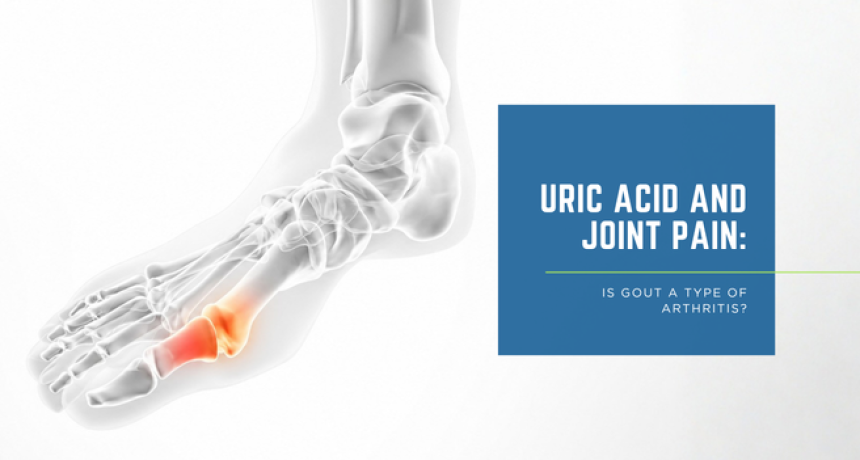
Uric Acid and Joint Pain: Is Gout a Type of Arthritis?

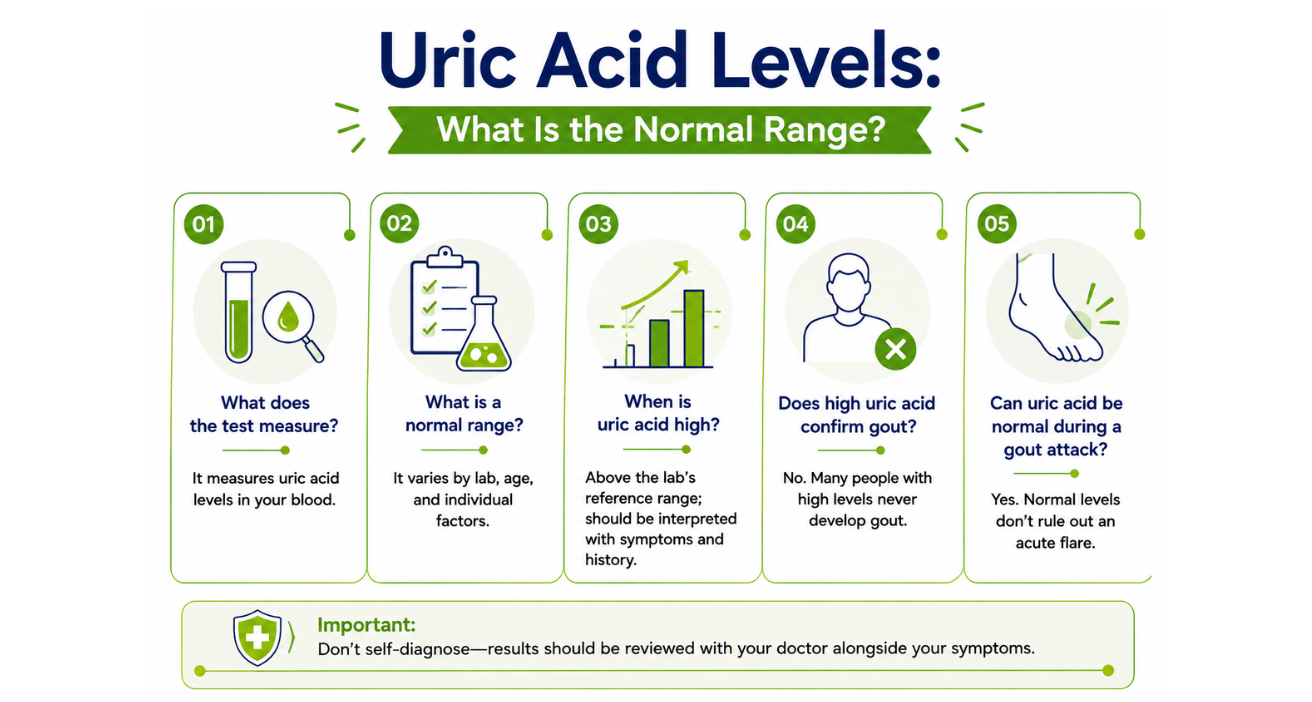
Table of Contents: Introduction What Is the Connection Between Uric Acid and Joint Pain? Is Gout a Type of Arthritis? What Happens During a Gout Attack? 7 Common Gout Symptoms You Should Not Ignore 8 High Uric Acid Causes and Risk Factors Gout Diet: Habits and Lifestyle Factors to Understand Uric Acid Levels: What Is the Normal Range? How Is Gout Diagnosed When You Have Uric Acid and Joint Pain? Gout Treatment in India: What Are the Management Options? How LB Clinics Can Support Your Joint Health Journey Final Thoughts Frequently Asked Questions Gout can catch you off guard. You may go to bed feeling completely fine and wake up with intense pain in your big toe, knee or another joint. The area may be swollen, red and so sensitive that even the pressure of a bedsheet feels uncomfortable. But where does uric acid fit into all of this? And does having high uric acid automatically mean you have gout? Not necessarily. Understanding the difference is important because joint pain can have several causes. Many people mistake it for an injury but repeated episodes make the link between uric acid and joint pain which is the classic sign of gout. To understand it better, you need to understand gout symptoms, causes of high uric acid, gout vs. arthritis, uric acid levels, diet and treatment options in India. Uric acid is a waste product that is formed when the body breaks down into substances called purines. Joint pain refers to discomfort, stiffness or inflammation that affects one or more joints. When there is a high level of uric acid in the body it turns into tiny sharp crystals that settle in the joints. These crystals cause sudden pain along with swelling and redness. The kidneys filter uric acid out through urine but if the body is unable to get rid of it or makes too much of it, then this problem builds up. Foods like red meat, seafood and alcohol can also increase the risk. Yes, gout is a type of inflammatory arthritis that is caused by the buildup of urate crystals in and around the joints. These crystals cause inflammation that leads to sudden pain as well as swelling. Unlike other forms of arthritis, gout is closely linked to high uric acid levels although not everyone with high uric acid develops gout. It starts in the big toe but it can also affect other joints like the ankles and knees. Sudden inflammation in the joint causes swelling and sharp pain. The condition changes like even a light touch or movement hurts a lot. The area may look red, feel warm and be very sensitive during a flare. Gout is a painful form of arthritis that can strike suddenly. Recognizing early symptoms can help you seek timely treatment. Sudden intense joint pain: Gout pain can appear unexpectedly and become severe within hours. Swelling around the joint: The affected area becomes swollen and is difficult to move. Redness & warmth: The skin over the joint becomes red that feels warm to the touch. Extreme tenderness: Even light pressure like clothing or bedsheets causes discomfort. Pain in the big toe: Gout affects the big toe but can also affect other joints as well. Limited joint movement: Swelling and pain can make it harder to move. Recurring flare-ups: Symptoms improve after a flare but can return if gout remains unmanaged. High uric acid can develop when the body produces too much uric acid or does not remove enough through the kidneys. Common causes and risk factors include: Purine-rich foods: Frequent intake of purine-rich foods increases uric acid production. Alcohol consumption: Alcohol consumption in excess can raise uric acid levels and trigger gout attacks. Sugary drinks: Beverages that are high in fructose lead to high uric acid levels. Reduced kidney function: The kidneys do not remove uric acid efficiently, which increases the risk of high uric acid. Excess body weight: Higher body weight has an increased risk of high uric acid as well as gout. Certain medical conditions: Conditions that affect metabolism or overall health influence uric acid levels. Some medications: Certain medicines can reduce uric acid excretion or affect its levels. Family history & genetics: Genetic factors affect how the body produces plus removes uric acid. Diet alone can not treat gout. Various habits along with lifestyle changes can affect the uric acid levels as well as increase the risk of gout flare-ups. By understanding these factors, you can make an outstanding gout management plan. Uric Acid Levels: What Is the Normal Range? What does the test measure? → It measures uric acid levels in your blood. What is a normal range? → It varies by lab, age, and individual factors. When is uric acid high? → Above the lab’s reference range; should be interpreted with symptoms and history. Does high uric acid confirm gout? → No. Many people with high levels never develop gout. Can uric acid be normal during a gout attack? → Yes. Normal levels don’t rule out an acute flare. Important: Don’t self-diagnose—results should be reviewed with your doctor alongside your symptoms. Gout is diagnosed by analyzing your symptoms, medical history and physical examination with appropriate tests. While the doctor is checking your uric acid levels, it is not confirmed that there are symptoms of gout if the results of your uric acid are high. In some cases, joint fluid may be tested for urate crystals while imaging tests can help assess the joints or find out other conditions. As joint pain can have several causes this is why an appropriate diagnosis is important before starting treatment. Gout management depends on the complexity of symptoms as well as uric acid levels. Common management options include: Anti-inflammatory medications are used to relieve pain during gout flare-ups. Doctors can prescribe urate-lowering therapy to control uric acid. Periodic blood tests are done to track uric acid levels. With dietary adjustments such as reducing purine-rich foods, sugary beverages and alcohol intake, you can treat it better. Weight management with regular exercise helps in lowering the risk of gout. Treating associated conditions like kidney disease that can improve uric acid regulation. A physician can tailor therapy based on the patient’s specific clinical profile. How LB Clinics Can Support Your Joint Health Journey At LB Clinics, the Arthritis Care Plan follows a personalized and holistic approach to joint health. We offer diagnosis and assessments, customized care plans, nutrition support, pain management and physical therapy with treatment that is curated as per the patient's symptoms and conditions. Diagnosis plus assessments: We provide clinical evaluation with tests as well as diagnostic tools as per the need. Personalized care plans: There are tailored treatments based on arthritis type and your conditions. Nutrition & lifestyle support: We give diet guidance with healthy lifestyle recommendations. Pain and mobility support: We provide physiotherapy to improve strength and movement. Other arthritis care: Along with gout, we support other types of arthritis too. Understanding the link between uric acid and joint pain helps in identifying gout. As high uric acid does not always mean gout symptoms like sudden pain, swelling and redness. A proper diagnosis is important to guide treatment and management. With proper medical care and changing your lifestyle, gout can be effectively controlled and joint health can be maintained. If uric acid and joint pain affect your daily life. LB Clinics can help with personalized arthritis care. Consult the team for guidance and next steps. Visit a doctor if you have sudden or recurring joint pain, swelling, redness or warmth. Because these are the symptoms that affect your daily activities. Medical attention is required if you face severe pain along with a swollen joint or if you also feel unwell or have a fever. Yes, uric acid can be normal during a gout attack so one blood test may not be enough to figure it out. Doctors also look at your symptoms along with medical history & other tests to make a diagnosis. Doctors use serum uric acid tests and joint fluid analysis to look for urate crystals. Even in some cases they use imaging testing. The choice of tests depends on your symptoms as well as clinical assessment.What Is the Connection Between Uric Acid and Joint Pain?

Connection between uric acid and joint pain
Is Gout a Type of Arthritis?
What Happens During a Gout Attack?
7 Common Gout Symptoms You Should Not Ignore

8 High Uric Acid Causes and Risk Factors
Gout Diet: Habits and Lifestyle Factors to Understand
Dietary Habits to Follow
Lifestyle Factors to Understand
How Is Gout Diagnosed When You Have Uric Acid and Joint Pain?
Gout Treatment in India: What Are the Management Options?
Reasons for choosing LB Clinics:
Final Thoughts
Take the Next Step with LB Clinics
Frequently Asked Questions
1. When should you see a doctor for uric acid and joint pain?
2. Can you have gout even if your uric acid level is normal?
3. What tests are commonly used to confirm gout in 2026?