Introduction What Is Arthritis? What Is Rheumatoid Arthritis? What Is Osteoarthritis? Rheumatoid Arthritis vs Osteoarthritis: Major Differences RA vs OA Symptoms: How to Tell the Difference How Doctors Diagnose Rheumatoid Arthritis and Osteoarthritis Daily Habits That May Worsen Arthritis Lifestyle Tips That Help Both Conditions Do You Have RA or OA: Self-Assessment Checklist How LB Clinics Helps Patients with Arthritis Summing Up Frequently Asked Questions One day you are waking up one morning and you find out that your finger is stiff. You thought it was because of tiredness, but after some days, while climbing stairs your knee aches and even opening a jar becomes very difficult for you to open. Many families assume these symptoms are because of old age, but not even joint pain is because of age. Therefore, understanding rheumatoid arthritis vs. osteoarthritis is important because these two common types of arthritis affect the body in very different ways. One is an autoimmune arthritis that causes inflammation; the other develops due to wear and tear on the joints. In this blog you will know about the key differences between RA vs. OA symptoms, osteoarthritis causes, rheumatoid arthritis symptoms and when to seek the right arthritis treatment in Delhi. Arthritis is a broad term that is used to describe conditions that affect the joints by causing inflammation, stiffness or damage over time. It is not a single disease but a group of more than 100 conditions that impact people of all ages, which affect their mobility as well as overall quality of life. Although there are more than 100 types of arthritis, the common types of arthritis are given below: Rheumatoid Arthritis (RA): It is an autoimmune arthritis in which the body's immune system mistakenly attacks the lining of healthy joints. Osteoarthritis (OA): This is the most common type of arthritis and develops when the protective cartilage that cushion the end of the bones wears away. Psoriatic Arthritis (PsA): It is an inflammatory form of arthritis associated with psoriasis, a chronic skin condition. It affects the joints and surrounding tissues. Gout: Gout is a type of arthritis caused by the buildup of uric acid crystals in the joints. It affects the big toe but can also involve the ankles, knees, wrists and elbows. Ankylosing Spondylitis (AS): A chronic inflammatory arthritis that primarily affects the spine and sacroiliac joints. Over time, it can reduce spinal flexibility and impact posture. Juvenile Idiopathic Arthritis (JIA): It is the most common form of arthritis in children under the age of 16. It includes a group of autoimmune and inflammatory conditions. Rheumatoid arthritis (RA) is a chronic autoimmune arthritis in which the body's immune system mistakenly attacks the lining of healthy joints. This triggers inflammation that can damage the joints and in some cases it affects other organs if not diagnosed as well as treated early. When the immune system attacks healthy joint tissue Genetics also increases the risk of arthritis Infections & other triggers Smoking is a major risk factor Hormonal changes Family history can increase risk Obesity also raise the chance of RA Osteoarthritis (OA) is the most common form of arthritis and is a degenerative joint condition that develops when the protective cartilage cushioning the ends of bones gradually wears away. As the cartilage deteriorates, the bones begin to rub against each other, leading to progressive joint damage and reduced joint function over time. Aging is the most common cause Previous joint injuries Excess body weight puts stress on weight-bearing joints Repetitive movements from work or sports Genetics is also one of the common causes Joint deformities present from birth Weak muscles around the joints Pain in several joints at the same time Pain when the joints are at rest Morning stiffness that can last a long time Difficulty doing daily tasks Fatigue or low energy Swelling, warmth or tenderness in the affected joints Joint pain that comes and goes when it worsen Pain in one or a few joints Pain that gets worse with activity Brief stiffness that eases after moving around Joint tenderness when pressure is applied Reduced range of motion in the affected joint A grinding or clicking sensation during movement Both look similar, so doctors rely on your medical history, physical examination, blood tests and imaging studies to confirm the diagnosis. An accurate diagnosis is essential because each condition requires a different treatment approach. The doctor will ask when the pain started, which joints are affected, how long it has lasted and whether you have a family history of arthritis or autoimmune disease. The doctor checks for swelling, warmth, redness, stiffness and any other signs of joint deformity or limited movement. Blood tests can show inflammation and autoimmune activity. Common tests include RF, anti-CCP, ESR and CRP. X-rays, MRI and ultrasounds show joint damage, inflammation and changes that may not be visible during a physical exam. If the diagnosis is unclear, a sample of joint fluid is taken to detect gout or infection. There are some everyday habits that put some extra stress on your joints and it worsens your arthritis symptoms over time. Avoiding these habits can help protect your joints and improve mobility. Long periods of sitting can stiffen your joints. Ignoring joint pain that can delay treatment. Excess weight adds stress to knees as well as hips. Skipping your workouts weakens joint support. Repetitive movements can strain joints. Poor posture increases joint stress. Unsupportive shoes can worsen discomfort. Smoking increases inflammation. Processed foods add to inflammation plus weight gain. Missing treatment can make arthritis difficult to manage. Try walking, swimming, cycling, or yoga. Less weight means less joint pressure. Choose fruits, vegetables, whole grains, nuts, and fish. Water helps support healthy joints. Strength training improves stability. Sit, stand, and lift with care. Aim for 7–9 hours each night. Follow your doctor’s advice and take medications as directed. It is always best to self-assess your condition first to get the right treatment. Answer the questions in the checklist below to get a better understanding of which condition your symptoms may resemble. Do your joints feel stiff for more than an hour after waking up? Is your joint pain present even when you are resting? Are the same joints on both sides of your body affected? Do you frequently experience fatigue along with joint discomfort? Are your joints swollen, warm or tender to touch? Does your joint pain worsen after walking or climbing stairs? Does resting the affected joint provide noticeable relief? Is your pain mainly in your knees, hips or spine? Have your symptoms worsened over months or years? Do you hear or feel a grinding or clicking sensation when moving a joint? At LB Clinics, arthritis care focuses on the overall cause rather than the symptoms alone. We use a patient-centered approach to identify the root cause of joint problems and then create a personalized treatment plan based on each patient's condition, lifestyle and goals. As our arthritis care program has treated 15,674+ patients with 97% regaining joint mobility. Even 93% are reporting pain relief and 2,389 arthritis cases are reversed. Comprehensive diagnosis using advanced tests and imaging. Personalized treatment plans for your type of arthritis plus overall health. Holistic care that combines medical treatment, nutrition and lifestyle support. Pain management strategies to improve daily function. Physical therapy to support mobility, strength and flexibility. Patient education and ongoing follow-up for long-term management. Understanding the difference between rheumatoid arthritis and osteoarthritis is the first step toward getting the right care. If you pay close attention to early warning signs and take medical advice timely, you can prevent joint damages that improve your mobility as well as upgrade your quality of life. At the end, it is all about living a healthy life and if you are continuously facing the joint pain, then it is the right time to seek the doctor. Consult the experts at LB Clinics for a comprehensive evaluation and a personalized treatment plan to help you move comfortably and confidently again. Yes, exercises like walking, swimming and stretching can strengthen the muscles around the joints, which improves flexibility and helps in reducing the pain over time. Osteoarthritis in younger adults is linked to joint injuries, obesity, repetitive stress from sports or work, genetic factors or congenital joint abnormalities. Many people manage arthritis effectively with the help of medications, physiotherapy, regular exercise, weight management and lifestyle changes. Surgery is considered only in advanced cases. No, there is currently no permanent cure for arthritis. However, early diagnosis plus the right treatment can help control symptoms, slow disease progression and improve quality of life.Table of Contents:
What Is Arthritis?
Types of Arthritis

What Is Rheumatoid Arthritis?
Rheumatoid Arthritis Causes
What Is Osteoarthritis?
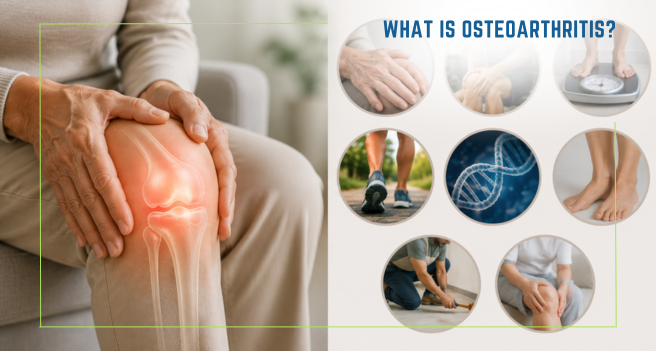
Osteoarthritis Causes
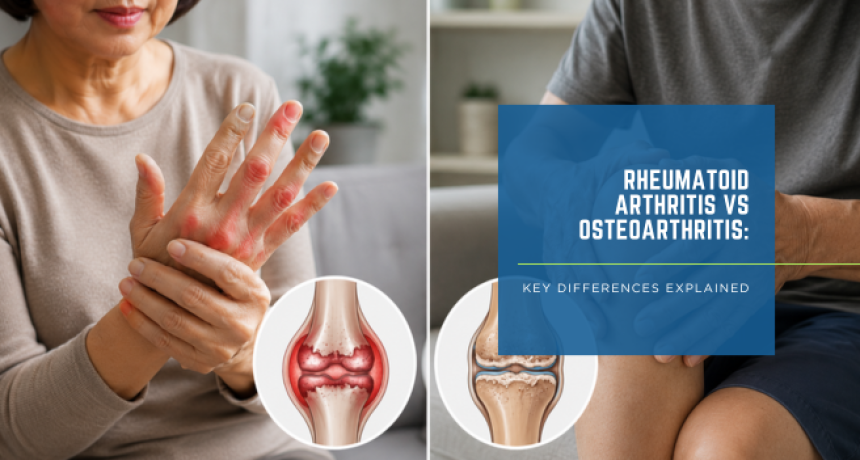
Rheumatoid Arthritis vs Osteoarthritis: Major Differences
RA vs OA Symptoms: How to Tell the Difference
Rheumatoid Arthritis (RA) Symptoms
Osteoarthritis (OA) Symptoms
How Doctors Diagnose Rheumatoid Arthritis and Osteoarthritis
Medical History
Physical Examination
Blood Tests (Mainly for Rheumatoid Arthritis)
Imaging Tests
Joint Fluid Analysis
Daily Habits That May Worsen Arthritis
Lifestyle Tips That Help Both Conditions
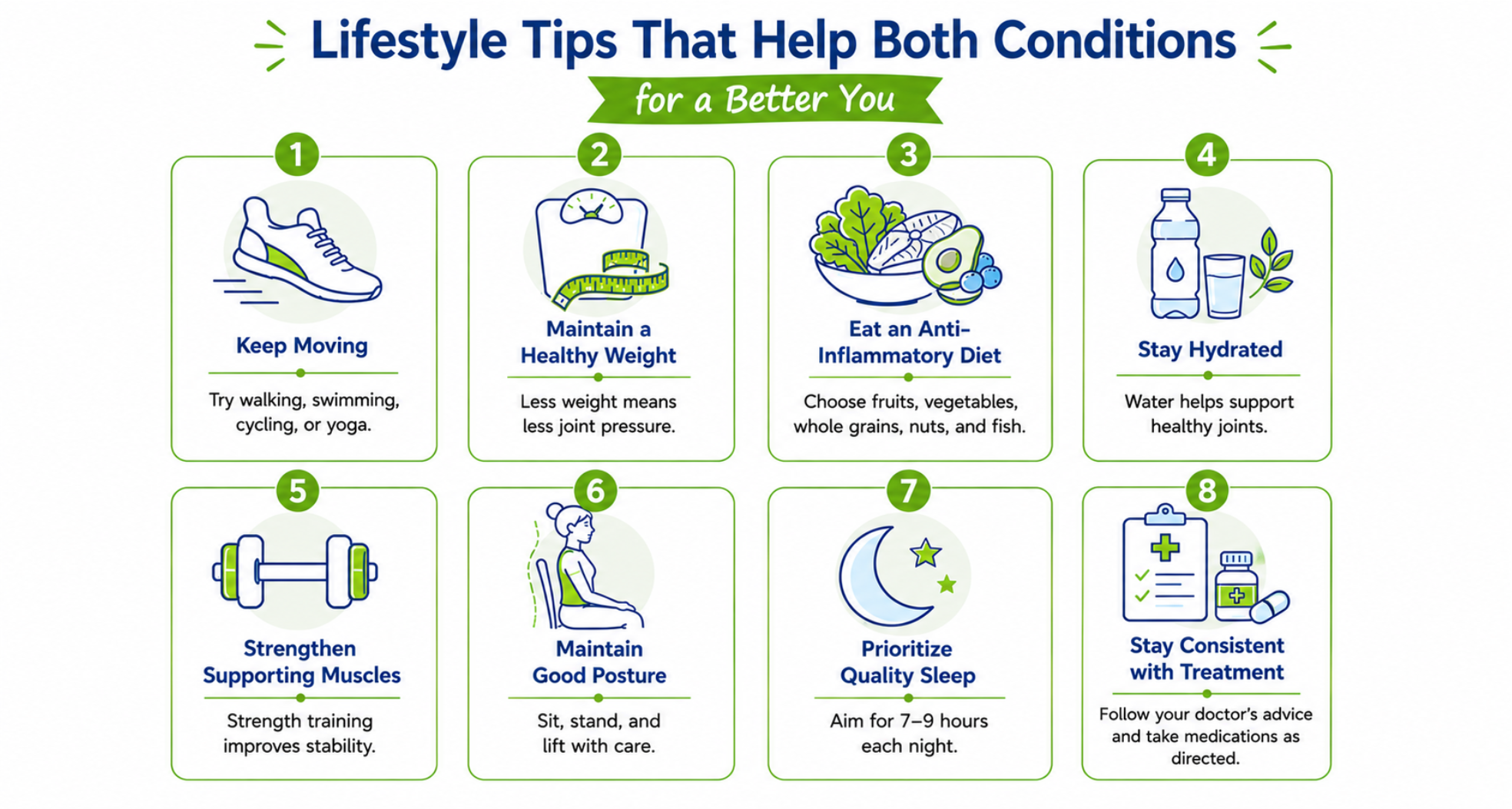
Keep Moving
Maintain a Healthy Weight
Eat an Anti-Inflammatory Diet
Stay Hydrated
Strengthen Supporting Muscles
Maintain Good Posture
Prioritize Quality Sleep
Stay Consistent with Treatment
Do You Have RA or OA: Self-Assessment Checklist
How LB Clinics Helps Patients with Arthritis
What You Can Expect at LB Clinics
Summing Up
Frequently Asked Questions
Q. Can exercise reduce arthritis pain?
Q. What causes osteoarthritis at a young age?
Q. Can arthritis be managed without surgery?
Q. Is there a permanent cure for arthritis in 2026?
.png)
Better Health Starts Here
Expert care tailored for you.
Latest Blogs

Can You Reverse Arth...
22 hours ago
Boiled Vegetables fo...
4 weeks ago
Low-Calorie Vegetari...
1 month ago
Is Besan (Gram Flour...
1 month ago
Millets and Fatty Li...
1 month ago
Anxiety Treatment in...
2 months ago
Anxiety Management T...
2 months ago
How Chronic Anxiety...
2 months ago
Anxiety vs Panic Att...
2 months ago