.png)
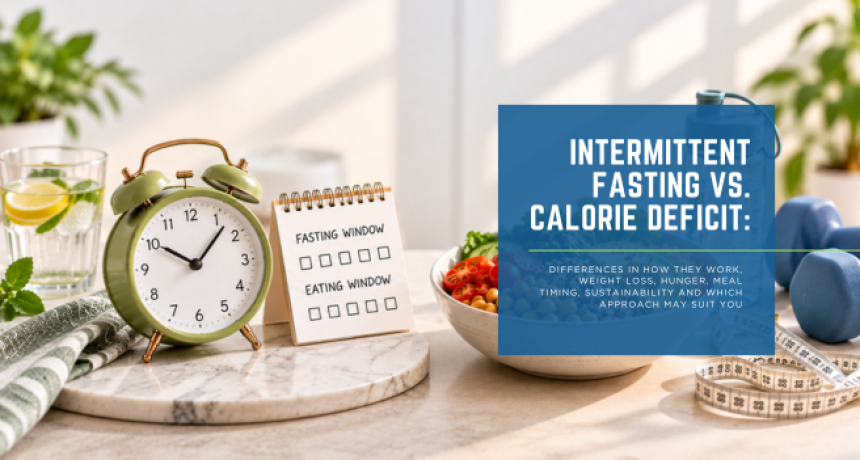
Intermittent Fasting vs. Calorie Deficit: Differences in How They Work, Weight Loss, Hunger, Meal Timing, Sustainability and Which Approach May Suit You

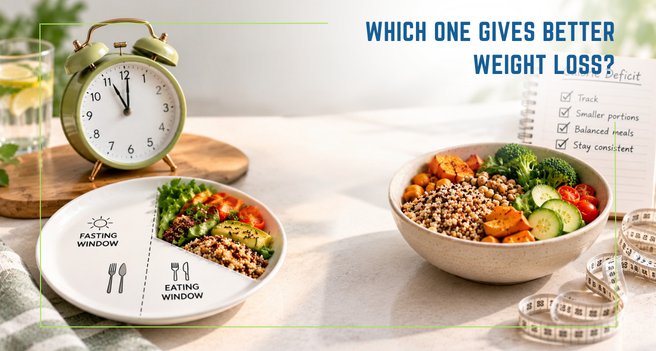
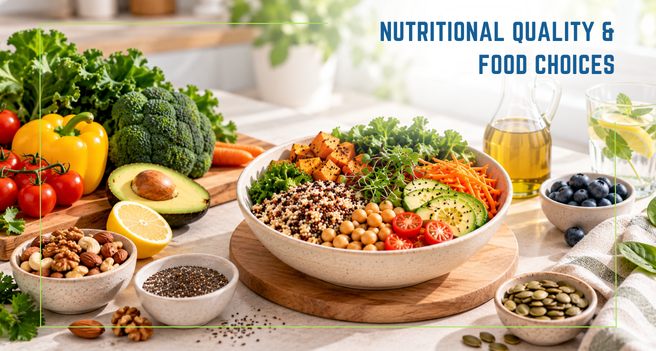
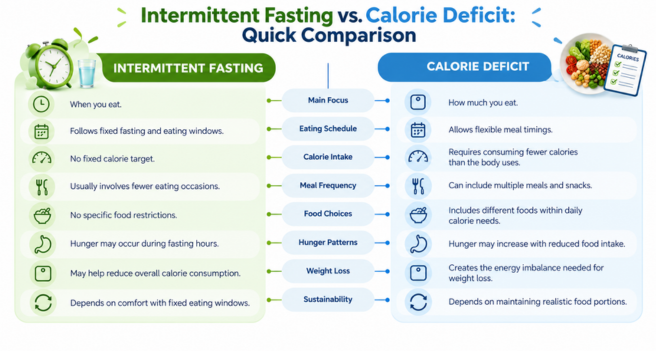
Table of Contents: Introduction What Is Intermittent Fasting and Calorie Deficit? How Intermittent Fasting and Calorie Deficit Work in the Body Which One Gives Better Weight Loss? Differences in Hunger and Appetite Meal Timing and Daily Eating Patterns Nutritional Quality & Food Choices Sustainability and Long-Term Results Potential Benefits, Risks and Limitations Intermittent Fasting vs Calorie Deficit: Quick Comparison Which Approach May Suit You? How LB Clinics Can Help You Choose a Sustainable Weight Loss Diet Final Word Frequently Asked Questions Have you also thought skipping breakfast and following a fasting schedule will help you lose weight faster or is eating fewer calories throughout the day enough? With so many weight-loss methods, choosing the right one feels confusing. This is where the debate around intermittent fasting vs. calorie deficit begins. While intermittent fasting focuses on when you eat, a calorie deficit focuses on how much energy you consume compared with what your body burns. Both approaches are used for weight management, but the question is Do they deliver the same results? Is intermittent fasting for weight loss more effective? Can a calorie deficit for weight loss offer greater flexibility? Let us compare the two, understand how they work and find out what makes a sustainable weight loss diet through this blog. What Is Intermittent Fasting and Calorie Deficit? Intermittent fasting is a planned eating routine in which you eat food in periods. Common methods include the 16:8 and 14:10 schedules where you eat within a specific time window each day. Two common intermittent fasting schedules include A calorie deficit means your daily food intake provides less energy that your body needs to maintain its current weight. It can be achieved through portion sizes, balanced food choices and appropriate calorie intake without changing your regular meal timings. How Intermittent Fasting and Calorie Deficit Work in the Body Intermittent Fasting Alternating fasting and eating periods: The body goes through periods of food intake and fasting that gave it time without incoming calories. Insulin levels: Insulin levels decrease during fasting as the body goes without food. Energy utilization: As the fasting period continues, the body uses stored energy like fat to meet its energy needs. Hormonal and metabolic changes: Fasting can influence hormones involved in appetite regulation and energy metabolism. Eating window: During the feeding period, the body receives energy and nutrients from food to support its daily functions. Calorie Deficit Reduced energy intake: You consume fewer calories than your body uses throughout the day. Stored energy utilization: To meet its energy requirements, the body draws on stored energy including body fat. Weight and fat loss: A sustained calorie deficit can lead to reductions in body weight and body fat. Metabolic adaptation: As body weight decreases, energy requirements also decrease which slows weight-loss progress. Muscle preservation: Adequate protein intake and regular strength training can help minimize muscle loss while losing weight. Which One Gives Better Weight Loss? Intermittent fasting can support weight loss by creating structured eating and fasting periods. Its effectiveness depends on food choices, portion sizes and consistency rather than fasting duration alone. A calorie deficit supports weight loss by requiring the body to use stored energy to meet its energy needs. Maintaining a proper calorie deficit over time can lead to weight reduction when combined with balanced nutrition & regular physical activity. Note: A calorie deficit is what drives weight loss while intermittent fasting is the one possible way to achieve it. Neither guarantees better results for everyone. Differences in Hunger and Appetite Intermittent Fasting: It changes your usual eating schedule, which can influence your hunger and how your appetite responds throughout the day. The experience is different for everyone as it depends on your fasting window and eating habits. Hunger During Fasting: You feel hungry during fasting hours, especially when starting. Appetite Adaptation: Some people adapt to fixed eating windows while others continue to experience hunger. Meal Satisfaction: Protein- and fiber-rich meals can help keep you full. Food Cravings: Longer gaps between meals increase cravings for some individuals. Calorie Deficit: Following a calorie deficit leads to reducing your daily energy intake, which may influence hunger and appetite depending on how much you reduce your food portions. Food selection and meal composition also play an important role. Hunger Levels: A substantial calorie reduction can increase hunger. Appetite Management: Protein and fiber can help improve fullness. Meal Flexibility: You can spread your calorie intake across multiple meals. Food Cravings: Excessive food restrictions may increase cravings. Meal Timing and Daily Eating Patterns Intermittent fasting brings structure to your daily eating routine. You may: Skip or delay breakfast to complete the fasting hours. Have your first meal around noon. Eat lunch and an evening snack within the eating window. Finish dinner by 8 pm before starting the next fasting period. A calorie deficit allows you to follow your preferred meal schedule. You may: Start your day with a portion-controlled breakfast. Have a balanced lunch with protein plus vegetables and carbohydrates. Include a light snack between meals. Enjoy your dinner while keeping daily calories intact. Nutritional Quality & Food Choices Intermittent Fasting: It does not restrict any food group but the quality of meals you consume matters a lot. It is best to include Indian food options such as dal, paneer, curd, seasonal vegetables, fruits, nuts and whole grains to meet your nutritional requirements. According to WHO, adults should consume at least 400 grams of fruits and vegetables and 25 grams of fiber daily to support a healthy diet. Calorie Deficit: A calorie deficit includes different foods in your daily meals while managing your overall calorie intake. Instead of eliminating rice, roti or other food groups from your diet, focus on nutrient-rich options such as pulses, vegetables, whole grains and protein sources. The ICMR-NIN Dietary Guidelines emphasize dietary diversity and balanced food choices to meet nutritional requirements. Sustainability and Long-Term Results Intermittent Fasting: It is easier to follow for those who prefer structured meal timings with fewer eating occasions. By following fixed fasting windows over the long term can become challenging. Routine Consistency: Maintaining regular fasting and eating windows requires planning. Lifestyle Changes: Changing work schedules may interrupt fasting routines. Weight Maintenance: Returning to previous eating habits contributes to weight regain. Long-Term Adherence: It is beneficial for the long term when it is easily manageable. Calorie Deficit: A calorie deficit can support long-term weight management when it involves realistic food portions and balanced eating habits. Its flexible meal structure allows individuals to make gradual dietary changes without following strict fasting schedules. Dietary Flexibility: You can enjoy different foods while managing daily calorie intake. Habit Formation: Balanced meals can become part of your everyday routine. Weight Maintenance: Eating healthy with regular physical activity maintains weight loss. Long-Term Consistency: Maintaining it for long term is easier than food restriction. Potential Benefits, Risks and Limitations Intermittent Fasting vs Calorie Deficit
Which Approach May Suit You? The right approach depends on several factors like health, daily routine, food preferences and ability to maintain the plan consistently. If you prefer fixed eating hours with fewer meals, intermittent fasting is a suitable option. If you want flexibility in meal timings and food choices, a calorie deficit is a better option. Consider your nutritional needs and seek professional guidance before making significant dietary changes. How LB Clinics Can Help You Choose a Sustainable Weight Loss Diet Choosing between intermittent fasting and a calorie deficit requires a detailed understanding of your bodily needs. At LB Clinics, we believe effective weight management should be guided by individual health needs, nutritional requirements and lifestyle rather than a one-size-fits-all approach. Through our Personalized Fat Loss and Weight Management Program, we focus on: Individual Health and Nutritional Assessment Customized Diet Plans Nutrition Guidance Lifestyle Modifications Regular Health Assessments For individuals interested in fasting-based eating patterns, we also offer an Intermediate Intermittent Fasting Diet program that incorporates nutrition, mind-body practices and lifestyle modifications tailored to individual needs. Final Word When comparing intermittent fasting vs. calorie deficit, both can support weight loss but they work very differently. Results depend on individual needs, food choices and consistency. The best weight loss diet is one that supports your health without unnecessary restrictions. Focus on balanced nutrition and sustainable habits rather than quick results. Ready to take a more personalized approach to weight management? Explore LB Clinics to become a better version of yourself. Frequently Asked Questions 1. Can you combine intermittent fasting and a calorie deficit for weight loss? Yes, intermittent fasting can be combined with a calorie deficit by following a proper eating schedule while consuming fewer calories than your body uses. 2. Which is better for belly fat: intermittent fasting or a calorie deficit? A calorie deficit supports overall body fat reduction including belly fat. Intermittent fasting may help achieve it but neither of them specifically targets belly fat. 3. What is the most sustainable weight loss diet for long-term results in 2026? A balanced weight loss diet includes adequate nutrition, realistic portions and sustainable eating habits.