.png)
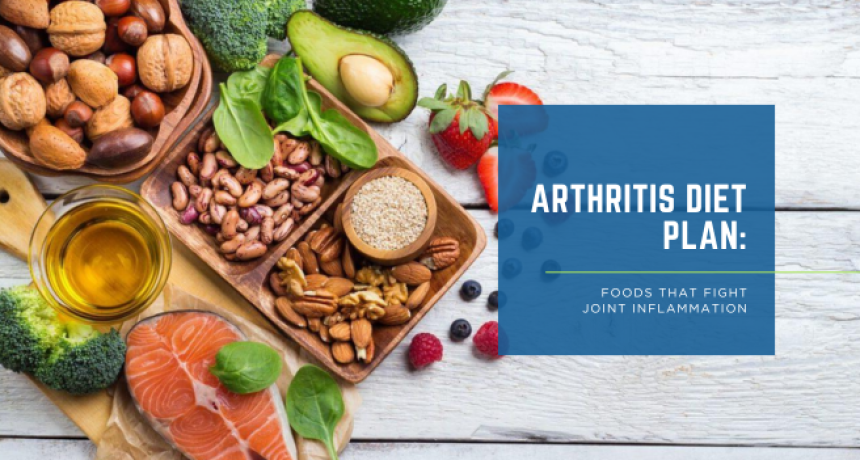
Arthritis Diet Plan: Foods That Fight Joint Inflammation

Table of Contents: Introduction Why Your Arthritis Diet Plan Matters Expert Tip Box How Food Affects Joint Inflammation Foods to Avoid with Arthritis Best Diet for Joint Pain: 7-Day Arthritis Diet Plan Arthritis Nutrition Guide: Essential Nutrients for Healthy Joints Does Weight Loss Help Reduce Joint Pain? 8 Common Diet Mistakes People with Arthritis Make Lifestyle Tips That Support Your Arthritis Diet Plan Why Choose LB Clinics for Comprehensive Arthritis Care? Final Note FAQs on Arthritis Diet Plan Have you ever wondered why your joints feel stiff and achy even when you are trying to eat healthy or why some people with arthritis experience less pain by changing their diet? These questions come up because diet plays an important role in joint health that most people do not realize. What you eat daily can influence inflammation levels in the body, which in turn may affect how your joints feel over time. While food alone cannot cure arthritis, by following the right arthritis diet plan, you can manage inflammation that supports joint health. By including omega-3 for arthritis plus turmeric for joint pain and limiting foods to avoid with arthritis, you can make a meaningful difference alongside medical care. If you are looking for the best diet for joint pain or a practical arthritis nutrition guide, you are in the right place. A well-planned arthritis diet plan can help reduce inflammation and support joint function. A balanced diet that is rich in whole grains, fruits, vegetables, pulses and healthy fats is recommended for joint health. Even by including anti-inflammatory foods for joints like omega-3-rich fish, flaxseeds, walnuts, and leafy greens while limiting processed and high-sugar foods may further support mobility Food directly affects joint inflammation, as some foods can increase inflammation that leads to more pain, swelling and stiffness, while others help reduce these symptoms. Processed foods, refined sugar and trans fats may worsen joint issues by triggering inflammation. Below are the foods that help in reducing inflammation. Building an effective arthritis diet plan means including antioxidant-rich and nutrient-dense foods that support joint health in your daily meals. Fatty Fish (Salmon, Sardines & Mackerel) Extra Virgin Olive Oil Turmeric Ginger Leafy Green Vegetables Broccoli Blueberries Cherries Walnuts Flaxseeds Chia Seeds Whole Grains Beans and Lentils Green Tea Citrus Fruits Adding healthy foods is important to support your arthritis diet plan. Many processed and high-sugar foods make joint discomfort that is harder to manage. Here are some foods to avoid with arthritis that can worsen your condition. High sugar intake increases inflammatory responses in the body. They are full of calories that can lead to weight gain. Contain preservatives & additives that can cause inflammation. Regular consumption will negatively affect overall joint health. They contain unhealthy fats that can increase inflammation. Frequent intake contributes to weight gain that adds stress to joints. Foods like white bread and pastries can cause rapid blood sugar spikes. They offer fewer nutrients as compared to whole-grain alternatives. These are high in sodium, unhealthy fats and artificial ingredients. Their excess consumption may worsen inflammation over time. Cakes, cookies and sweets trigger inflammatory processes. They can also increase calorie intake without providing essential nutrients. Too much sodium contributes to fluid retention as well as discomfort. High-salt processed foods replace healthier, nutrient-rich choices. Present in packaged and baked foods that are linked to inflammation. They may also increase the risk of other chronic health conditions. Heavy alcohol intake may interfere with the body's natural inflammatory balance. It can also interact with certain arthritis medications. These meals are high in sodium, unhealthy fats and preservatives. Regular consumption makes it harder to maintain a balanced arthritis diet plan. A healthy arthritis diet plan should include a variety of anti-inflammatory foods for joints, such as fruits, vegetables, whole grains, lean proteins, healthy fats and omega-3-rich foods. This sample meal plan offers balanced meal ideas that can support joint health. Breakfast: Oatmeal topped with blueberries as well as walnuts and chia seeds Lunch: Grilled salmon, brown rice and steamed broccoli Evening Snack: Green tea with a handful of almonds Dinner: Lentil soup with a spinach salad Breakfast: Plain yogurt with berries plus flaxseeds and oats Lunch: Quinoa salad with chickpeas, cucumber, tomatoes and olive oil Evening Snack: Apple slices with natural peanut butter Dinner: Grilled chicken with roasted vegetables Breakfast: Vegetable omelette with whole-grain toast Lunch: Rajma with whole-wheat roti and mixed salad Evening Snack: Orange and a handful of walnuts Dinner: Stir-fried tofu with broccoli and brown rice Breakfast: Green smoothie with spinach, banana, flaxseeds and unsweetened yogurt Lunch: Grilled mackerel with quinoa and sautéed vegetables Evening Snack: Roasted chickpeas Dinner: Vegetable and lentil soup with whole-grain bread Breakfast: Overnight oats with chia seeds plus berries and almonds Lunch: Mixed bean salad with leafy greens and olive oil dressing Evening Snack: Green tea with pumpkin seeds Dinner: Grilled fish with sweet potato and steamed green beans Breakfast: Avocado toast on whole-grain bread with a boiled egg Lunch: Grilled paneer with millet and mixed vegetables Evening Snack: Fresh cherries Dinner: Chickpea and vegetable curry with brown rice Breakfast: Plain yogurt with fresh fruits as well as walnuts and flaxseeds Lunch: Brown rice with dal and sautéed spinach Evening Snack: Carrot and cucumber sticks with hummus Dinner: Grilled tofu with roasted vegetables and quinoa A balanced arthritis nutrition guide emphasizes nutrients that lead to strong bones. Including a variety of healthy fats, vitamins, minerals and protein in an arthritis diet plan maintains long-term joint function with medical treatment. Yes, joint pain is reduced when you maintain a healthy body weight. It particularly eases weight-bearing joints such as knees, hips and ankles. Excess body weight puts additional strain on these joints that affects your mobility over time. Therefore, by staying physically active and following a balanced arthritis diet plan, your joint functioning gets improved as well as complements your overall arthritis treatment. Even with low-impact activities such as swimming or walking, you can get better results. Missed anti-inflammatory healthy fats. High in unhealthy fats, salt and additives. May increase inflammation and weight gain. Low in antioxidants and vitamins. Can weaken muscle and joint support. Less fibre and nutrients than whole grains. May affect joint comfort and body function. Should be combined with care, exercise and lifestyle habits. A healthy arthritis diet plan works best when combined with positive daily habits. The given below are the some of the lifestyle tips that everyone should follow who are suffering from arthritis. Stay active with low-impact exercises to keep joints flexible. Maintain a healthy weight to reduce joint pressure. Get 7–9 hours of sleep to support recovery as well as well-being. Stay hydrated to support the overall body function with a proper diet balance. Manage stress with meditation, deep breathing or yoga. Quit smoking to protect joints along with your overall health. Limit alcohol to support a healthier lifestyle. Follow your treatment plan including check-ups, medication and physical therapy. At LB Clinics, arthritis care goes beyond managing symptoms. The clinic follows a holistic and personalized approach that focuses on identifying the root cause of arthritis while helping patients improve joint health, mobility and overall well-being through customized treatment plans. Diagnosis & Assessment: Advanced tools, imaging and lab tests for accurate evaluation. Personalized Treatment: Care plans tailored to your arthritis type, symptoms and goals. Nutrition & Lifestyle Support: Diet plans, supplements and lifestyle changes for joint health. Pain Management: Multidisciplinary strategies to reduce pain and improve movement. Physical Therapy: Exercises to strengthen joints and improve mobility. Patient Education: Guidance to help you manage arthritis confidently. Holistic Care: Combines medical, nutritional and lifestyle support for overall well-being. A well-structured arthritis diet plan that includes anti-inflammatory foods for joints and reduces foods to avoid with arthritis helps ease inflammation and support better movement. When paired with proper medical care and an active lifestyle, it contributes to maintaining long-term joint health. Feed your joints the right foods and let LB Clinics take care of the rest. Book your consultation today and start your journey towards stronger, healthier joints. Turmeric for joint pain supports a healthy inflammatory response due to its active compound curcumin. It works best as part of a balanced arthritis management plan. Yes, omega-3 for arthritis helps in improving joint health and reducing inflammation. Good sources include salmon, sardines, mackerel, walnuts, flaxseeds and chia seeds. The best arthritis diet plan focuses on anti-inflammatory foods such as fruits, vegetables, whole grains, lean proteins, healthy fats and omega-3-rich foods while limiting processed and sugary foods. Diet alone cannot control or cure arthritis but it can help manage inflammation and support joint health when combined with medical treatment, exercise and healthy lifestyle habits.Why Your Arthritis Diet Plan Matters

How Food Affects Joint Inflammation
15 Best Anti-Inflammatory Foods for Joints
Foods to Avoid with Arthritis

1. Sugary Drinks
2. Processed Meats
3. Fried Foods
4. Refined Carbohydrates
5. Highly Processed Snacks
6. Foods High in Added Sugar
7. Excess Salt
8. Trans Fats
9. Excess Alcohol
10. Ultra-Processed Frozen Foods
Best Diet for Joint Pain: 7-Day Arthritis Diet Plan
DAY - MONDAY
DAY - TUESDAY
DAY - WEDNESDAY
DAY - THURSDAY
DAY - FRIDAY
DAY - SATURDAY
DAY - SUNDAY
Arthritis Nutrition Guide: Essential Nutrients for Healthy Joints
Does Weight Loss Help Reduce Joint Pain?
8 Common Diet Mistakes People with Arthritis Make
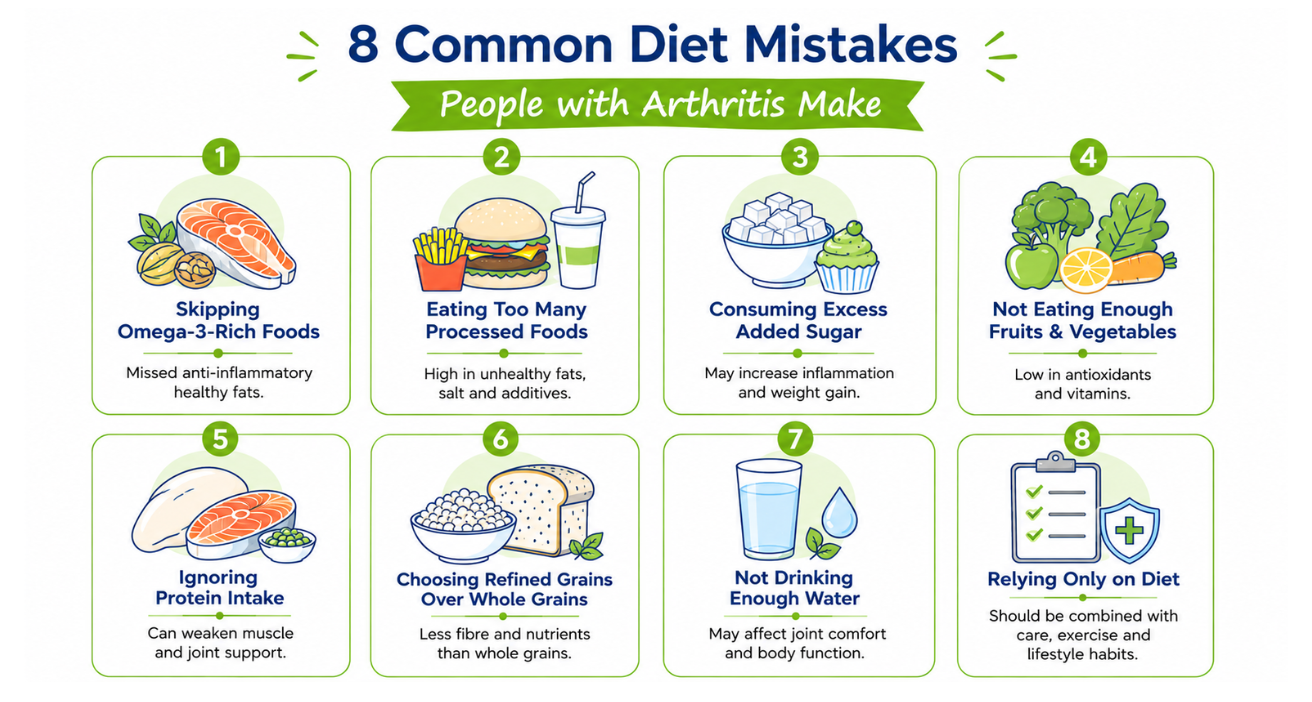
1. Skipping Omega-3-Rich Foods
2. Eating Too Many Processed Foods
3. Consuming Excess Added Sugar
4. Not Eating Enough Fruits & Vegetables
5. Ignoring Protein Intake
6. Choosing Refined Grains Over Whole Grains
7. Not Drinking Enough Water
8. Relying Only on Diet
Lifestyle Tips That Support Your Arthritis Diet Plan
Why Choose LB Clinics for Comprehensive Arthritis Care?
Final Note
FAQs on Arthritis Diet Plan
Q. Is turmeric good for joint pain?
Q. Does omega 3 help arthritis?
Q. What is the best arthritis diet plan in 2026?
Q. Can arthritis be controlled through diet?