.png)

- Introduction
- What Is Fatty Liver and How Can Millets Help Manage It?
- 8 Reasons Why Millets Are Gaining Attention for Fatty Liver
- Is Bajra Good for Fatty Liver? What Research Shows
- Who Should Be Careful While Eating Millets?
- Common Mistakes to Avoid When Eating Millets for Fatty Liver
- Managing Fatty Liver the Right Way with LB Clinics
- Final Reflections
- FAQs on Millets and Fatty Liver
Introduction
There was a time when everyday meals were simple — food was home-cooked with seasonal vegetables. Grains like bajra, jowar, and ragi were staples that nourished your body as well as naturally balanced your digestive system. The time has changed drastically, as today's eating habits lean towards refined flours and packaged foods aligned with irregular routines. These lifestyle changes have caused fatty liver problems among 38.9% of people.
Facing many health complications within their food choices, many people are now switching towards traditional food options. This sudden switch is caused by one question: is bajra good for fatty liver? Maximum people have now understood the real value of millets in their diets.
In this blog, you will know whether bajra is good for fatty liver, along with its consumption, plus mistakes to avoid while consuming it.
What Is Fatty Liver and How Can Millets Help Manage It?
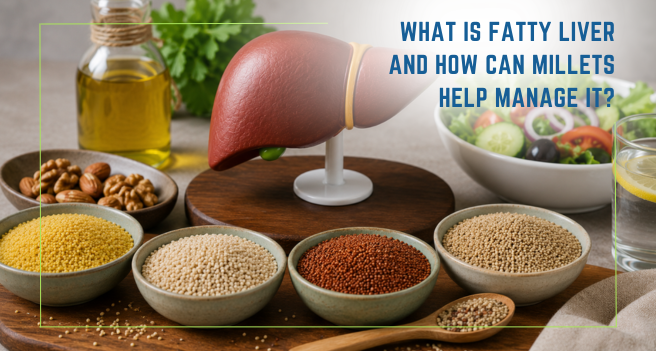
Fatty liver is a condition where extra fat builds up in the liver due to unhealthy eating habits, as well as lack of physical activity, along with excess sugar or refined foods in the diet. If these things continue, then your condition of fatty liver will worsen with time if not managed well.
You can manage the situation of fatty liver by infusing millets in your diet. As they are rich in fiber, easy to digest and have a low glycemic index. This means they help in keeping blood sugar levels steady by improving digestion as well as supporting better metabolism. When millets are included as part of a balanced diet, they can be a healthier alternative to refined grains that helps in reducing the overall burden on the liver.
8 Reasons Why Millets Are Gaining Attention for Fatty Liver
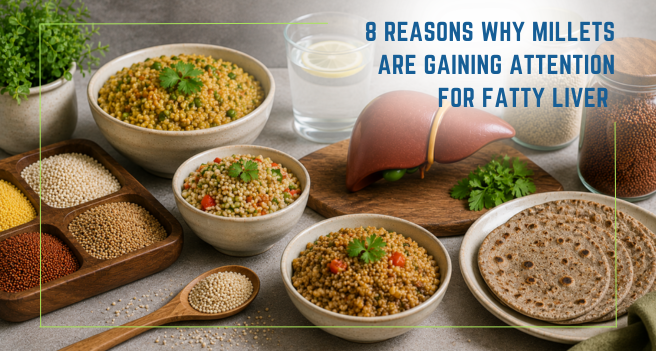
Making small changes to your daily diet can help you in managing fatty liver, and millets are such an effective addition. These traditional grains are packed with nutrients. Here are 8 reasons why millets are gaining popularity:
High-Fiber Foods Like Bajra That Reduce Liver Fat
Bajra is naturally rich in dietary fiber, which plays an important role in reducing fat accumulation in the liver. Fiber helps in slowing down digestion, plus improving satiety by supporting fat metabolism. When your body processes food more efficiently, it reduces the chances of storing excess fat in the liver. This is the reason why people ask if bajra is good for fatty liver — the answer is yes. It is considered a fiber-rich grain that prevents overeating.
Millets Improve Insulin Resistance
- Helps the body to use insulin more effectively, which reduces the chance of fat buildup.
- Prevents sudden spikes as well as crashes in blood sugar levels that impact the liver.
- Reduces the conversion of excess sugar into fat, which accumulates in liver tissues.
- Provides sustained as well as steady energy release, helping in maintaining overall metabolic stability.
- Contributes to long-term metabolic balance when combined with an overall healthy diet.
Bajra's Low Glycemic Index Supports Stable Blood Sugar
Bajra has a low glycemic index, which releases sugar slowly into the bloodstream. This steady release helps in maintaining balanced blood sugar levels, which is essential for preventing fat buildup. Stable glucose levels also reduce cravings as well as unnecessary snacking, which helps in maintaining a healthy diet. With time it can support insulin sensitivity — another reason why the answer to "Is bajra good for fatty liver?" is yes.
Antioxidants in Jowar & Ragi That Protect Liver Cells
- Helps in neutralizing harmful free radicals that can damage liver cells.
- Reduces inflammation in liver tissues, which is linked to fatty liver progression.
- Supports the body's natural detoxification process without overburdening the liver.
- Contributes to protecting cells from oxidative stress caused by unhealthy lifestyle habits.
- Helps in maintaining overall liver health by improving cellular resilience.
Millets Support Weight Loss Naturally
Weight management is one of the most important factors that improve liver health, and millets can support managing weight in a natural way. Their high fiber content keeps you full for longer periods, which reduces the urge to snack frequently. Unlike refined grains, millets provide slow as well as steady energy. With proper portion control plus overall calorie balance, consistent eating can contribute to gradual weight loss. Millets fit easily into regular meals without requiring major dietary changes.
Better Digestion Means Better Liver Function
A healthy digestive system plays a crucial role in supporting liver health, and millets contribute positively to improving digestion. They are easy to digest when prepared properly. They help in maintaining regular bowel movements, which reduces the toxin buildup in the body. Millets also help in generating the growth of good gut bacteria that uplifts nutrient absorption with overall gut health. By supporting digestion, millets indirectly improve your liver efficiency.
Whole Grains Help Reduce Triglycerides
Whole grains like millets help in managing triglyceride levels, which are linked to fatty liver. High triglycerides increase the risk of fat accumulation in the liver, which makes the condition worse with time. Millets help in healthier lipid levels when included regularly in meals. They also provide essential nutrients that support your heart health, which is connected to liver health. Replacing refined grains brings long-term benefits.
Traditional Millets Fit Well in Indian Diets
- Easily adaptable into daily meals like roti, khichdi, or porridge.
- Suitable for different meal timings, including all three meals.
- Blends well with Indian cooking style and flavours without major adjustments.
- Widely available as well as affordable, making it easier to consume regularly.
- Helps in preventing monotony in healthy eating habits with dietary variety.
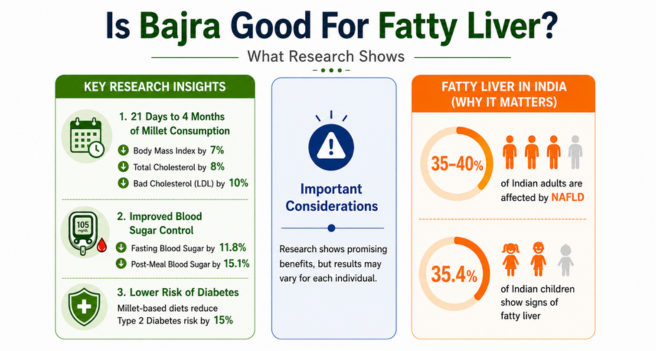
Is Bajra Good for Fatty Liver? What Research Shows
Who Should Be Careful While Eating Millets?
Millets are healthy, but they do not suit every individual in the same manner. Their impact depends on various factors like how much you eat, how you prepare them, and your overall health conditions. A balanced yet mindful approach works best when you include millets in your diet.
- 1.People with thyroid issues should avoid eating millets in excess.
- 2.Those with sensitive digestion may face bloating if meals are not prepared properly.
- 3.People who are only relying on millets are missing out on balanced nutrition.
- 4.Individuals with gut issues should introduce themselves to millets gradually.
- 5.People who eat processed millet food do not get the full benefits.
- 6.Even overconsumption of millets can lead to excess calorie intake.
- 7.Individuals with mineral deficiencies should balance their diet well with millets.
- 8.People who are suffering from some medical condition may consult a doctor first.
- 9.It is important to limit portion control — avoid consuming large quantities daily.
Common Mistakes to Avoid When Eating Millets for Fatty Liver
| 1 | ✗Choosing processed & packaged millet products in place of whole grains. |
| 2 | ✗Not soaking or preparing millets properly, which leads to poor digestion. |
| 3 | ✗Expecting quick results without maintaining overall lifestyle changes. |
| 4 | ✗Pairing millets with unhealthy as well as high-fat side dishes. |
| 5 | ✗Eating millets late at night in heavy proportions, which affects digestion. |
| 6 | ✗Not drinking enough water while increasing your fiber intake from millets. |
| 7 | ✗Overcooking the millets, which can reduce their nutritional value. |
| 8 | ✗Treating millets as a quick fix instead of a part of a balanced lifestyle. |
Managing Fatty Liver the Right Way with LB Clinics
Dealing with fatty liver is not always about making drastic changes. It is all about making everyday choices simple by finding what suits your body the best. At LB Clinics, our focus is beyond quick fixes — simplifying this whole process by looking at your habits, diet, and lifestyle in a realistic manner.
We provide personalized treatment plans as well as lifestyle guidance that helps in addressing the root cause — like diet, stress, or metabolic imbalance — rather than only symptoms. Questions like "Is bajra good for fatty liver?" are addressed in a broader context by making changes in the small things in life.
Final Reflections
Fatty liver management does not need to be complicated. It must be managed by making small as well as steady changes that fit into your everyday life. Bringing back traditional wholesome food like millets, along with balanced dietary habits, supports better liver health over time. With gradual steps, you cannot only improve your liver health, but also improve your overall well-being.
Take control of your fatty liver with the right guidance. Connect with LB Clinics and start building a plan that works as per your lifestyle.
FAQs on Millets and Fatty Liver
Yes, millets are better than wheat for fatty liver, as they are higher in fiber and have a low glycemic index that helps in controlling blood sugar, as well as reducing fat buildup in the liver.
Yes, including millets in 2026 in your diet is beneficial, as it helps in supporting digestion. It improves overall metabolic health when it is consumed in balanced, proper proportions.
Eating bajra daily is safe, but eating in excess may cause digestive discomfort or bloating in some people. Therefore, it is best to consume it in moderation as a part of a balanced diet.
Ragi (finger millet) is considered beneficial for fatty liver because it is high in fiber, has a low glycemic index, and supports healthy digestion and blood sugar control — both of which reduce metabolic strain on the liver. It can be included regularly as rotis, porridge, or dosas as part of a fatty liver friendly diet. For a comprehensive dietary plan for managing fatty liver, see L&B Clinics' Fatty Liver Care Program.
Jowar (sorghum) is a good grain choice for fatty liver because it is gluten-free, high in fiber, and has a lower glycemic index than refined wheat flour, helping to support healthy blood sugar and reduce metabolic strain on the liver. For a structured dietary programme for managing fatty liver, explore L&B Clinics' Fatty Liver Care Program.