.png)

- Introduction
- What Is Fatty Liver and Why Does Diet Matter?
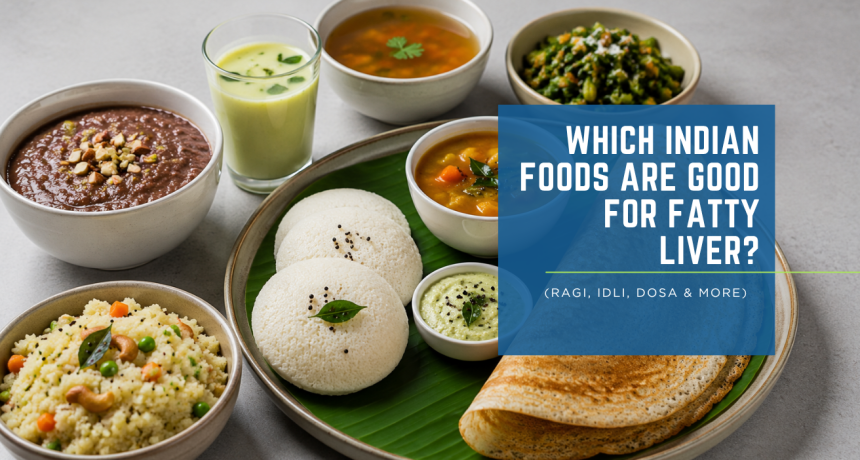
- Is Ragi Good for Fatty Liver?
- Is Idli Good for Fatty Liver?
- Is Dosa Good for Fatty Liver?
- Other Indian Foods That Are Good for Fatty Liver
- Indian Foods to Avoid with Fatty Liver
- A Sample Indian Diet Plan for Fatty Liver
- When Food Isn't Enough: The Functional Medicine Approach
- Conclusion
- FAQs
Introduction
Fatty liver is no longer a condition limited to heavy drinkers or the severely obese. Today, millions of Indians are being diagnosed with Non-Alcoholic Fatty Liver Disease (NAFLD) — many without even knowing it.
The good news? Your kitchen may already hold the answer.
Indian cuisine, when chosen wisely, is rich in liver-supportive foods — anti-inflammatory grains, fermented staples, and plant-based proteins that can actively help reduce fat accumulation in the liver.
In this blog, we break down exactly which Indian foods are good for fatty liver, including whether ragi, idli, dosa, and other everyday staples deserve a place on your plate.
What Is Fatty Liver and Why Does Diet Matter?
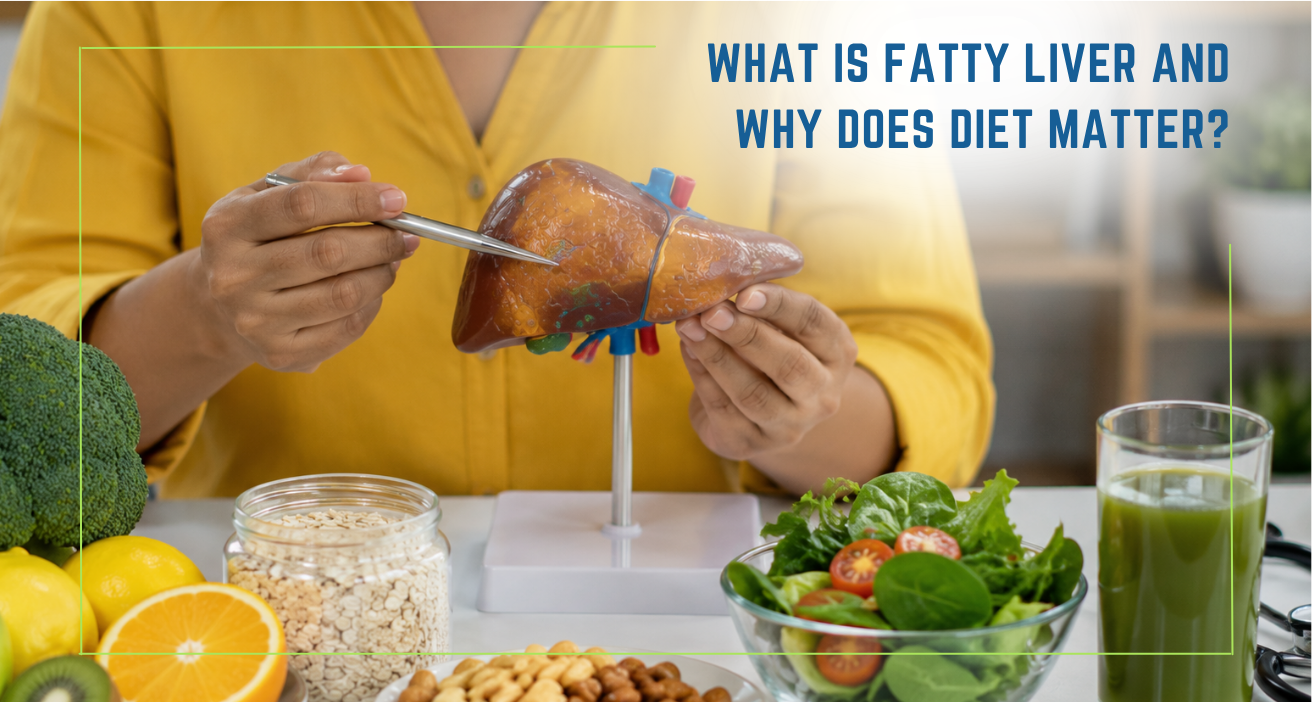
Fatty liver occurs when excess fat builds up in liver cells. In its early stages, it's largely reversible — and diet is the single most powerful tool to turn it around.
The liver processes everything you eat. Refined carbs, excess sugar, and ultra-processed foods force the liver to convert surplus glucose into fat. Over time, this leads to inflammation, scarring, and in serious cases, cirrhosis.
A liver-friendly diet focuses on:
- Low glycaemic index (GI) carbohydrates
- High fibre foods that slow sugar absorption
- Anti-inflammatory nutrients like omega-3s and polyphenols
- Adequate protein to support liver cell repair
This is exactly where traditional Indian foods shine — if you know which ones to choose.
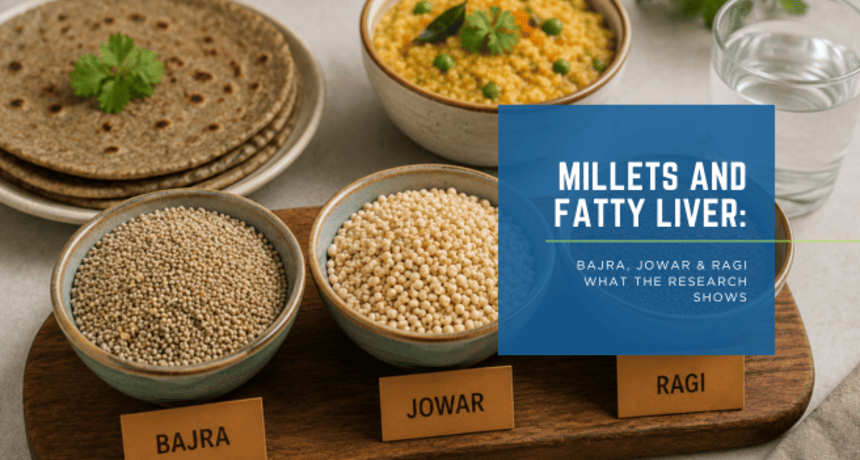
Is Ragi Good for Fatty Liver?
Here's why ragi stands out:
- Low glycaemic index: Ragi releases sugar slowly into the bloodstream, reducing the glucose load on the liver.
- High fibre content: The dietary fibre in ragi binds to fat and bile acids in the gut, reducing fat absorption.
- Rich in polyphenols: Ragi contains powerful antioxidants that fight oxidative stress in liver cells — a key driver of NAFLD progression.
- Good plant-based protein: Protein supports liver tissue repair and reduces fat synthesis.
- Naturally gluten-free: Easier on digestion and the gut-liver axis.
Is Idli Good for Fatty Liver?
Idli is steamed, not fried, made from fermented rice and urad dal batter. Here's what makes it beneficial:
- Fermentation increases bioavailability of nutrients and introduces beneficial bacteria that support the gut-liver axis.
- Low in fat — steaming requires zero oil.
- Moderate GI — especially when eaten with sambar (lentil-based) and chutney rather than refined chutneys loaded with sugar.
- Easy to digest, reducing metabolic burden on the liver.
How to optimise idli for fatty liver:
- Pair with sambar loaded with vegetables — tomato, drumstick, spinach.
- Use coconut chutney in moderation — coconut contains medium-chain fatty acids that are metabolised differently from long-chain fats.
- Avoid hotel-style idli that may be made from non-fermented batter or served with excess butter/ghee.
Is Dosa Good for Fatty Liver?
Traditional dosa, like idli, uses fermented batter. However, dosa is cooked on a pan with oil — and this is where the distinction matters.
Dosa types ranked for fatty liver:
| Type | Verdict |
|---|---|
| Plain dosa (minimal oil, tawa) | ✅ Good |
| Set dosa | ✅ Good |
| Rava dosa | ⚠️ Moderate — refined semolina, higher GI |
| Masala dosa with potato filling | ⚠️ Moderate — watch the portion |
| Ghee roast / butter dosa | ❌ Avoid |
| Cheese dosa | ❌ Avoid |
Fermented plain dosa with tomato chutney or sambar is a solid choice. The fermentation process reduces anti-nutrients and supports gut microbiome diversity, which is directly linked to liver health.
Other Indian Foods That Are Good for Fatty Liver
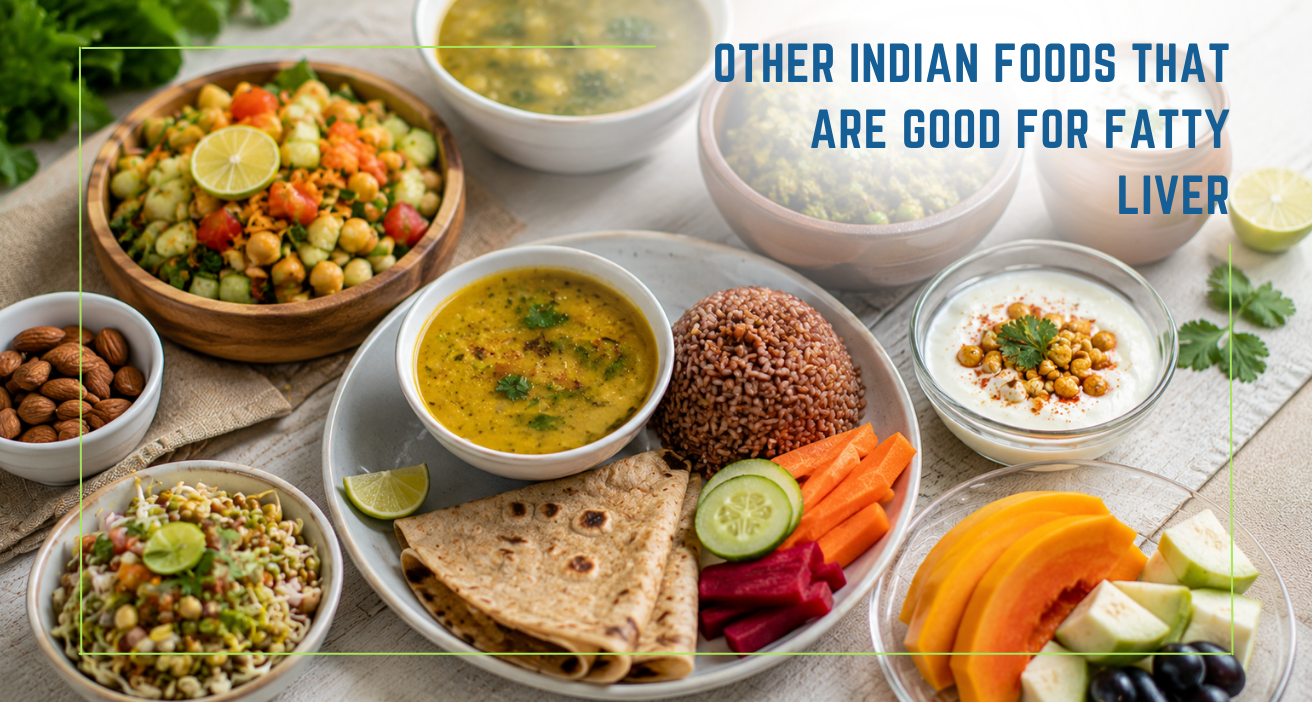
Dal (Lentils)
All varieties — moong, masoor, toor, chana — are high in plant protein and soluble fibre. They stabilise blood sugar, reduce liver fat, and support detoxification pathways. Moong dal is particularly gentle and recommended in early-stage NAFLD.
Methi (Fenugreek)
Methi leaves and seeds are among the most researched Indian foods for liver health. Fenugreek contains saponins that reduce hepatic fat accumulation and improve insulin sensitivity. Use methi in dal, sabzi, or soak seeds overnight and consume in the morning.
Turmeric (Haldi)
Curcumin in turmeric is a potent anti-inflammatory compound that has been shown in multiple studies to reduce liver enzymes (ALT, AST) in NAFLD patients. Use it liberally in cooking — and pair with black pepper to improve absorption.
Amla (Indian Gooseberry)
Amla is one of the richest natural sources of Vitamin C and antioxidants. It protects liver cells from oxidative damage and supports glutathione production — the liver's master antioxidant. Fresh amla juice in the morning is a powerful liver tonic.
Lauki (Bottle Gourd)
Low in calories, high in water content, and gentle on the liver. Lauki sabzi or lauki juice is commonly recommended in Ayurvedic and functional medicine approaches to fatty liver.
Brown Rice / Red Rice
If you can't give up rice entirely, switching to brown or red rice significantly lowers the glycaemic load and increases fibre intake. Red rice, popular in South India and Manipur, contains anthocyanins — potent liver-protective antioxidants.
Buttermilk (Chaas)
A traditional post-meal drink in Indian households, buttermilk is fermented and probiotic-rich. A healthy gut microbiome reduces LPS (lipopolysaccharide) translocation to the liver — a key mechanism in NAFLD progression.
Bitter Gourd (Karela)
Bitter melon is bitter for a reason — its compounds (charantin, polypeptide-P) actively lower blood glucose and reduce hepatic fat. Many functional medicine practitioners recommend karela juice 2–3 times a week for patients with fatty liver.
Indian Foods to Avoid with Fatty Liver
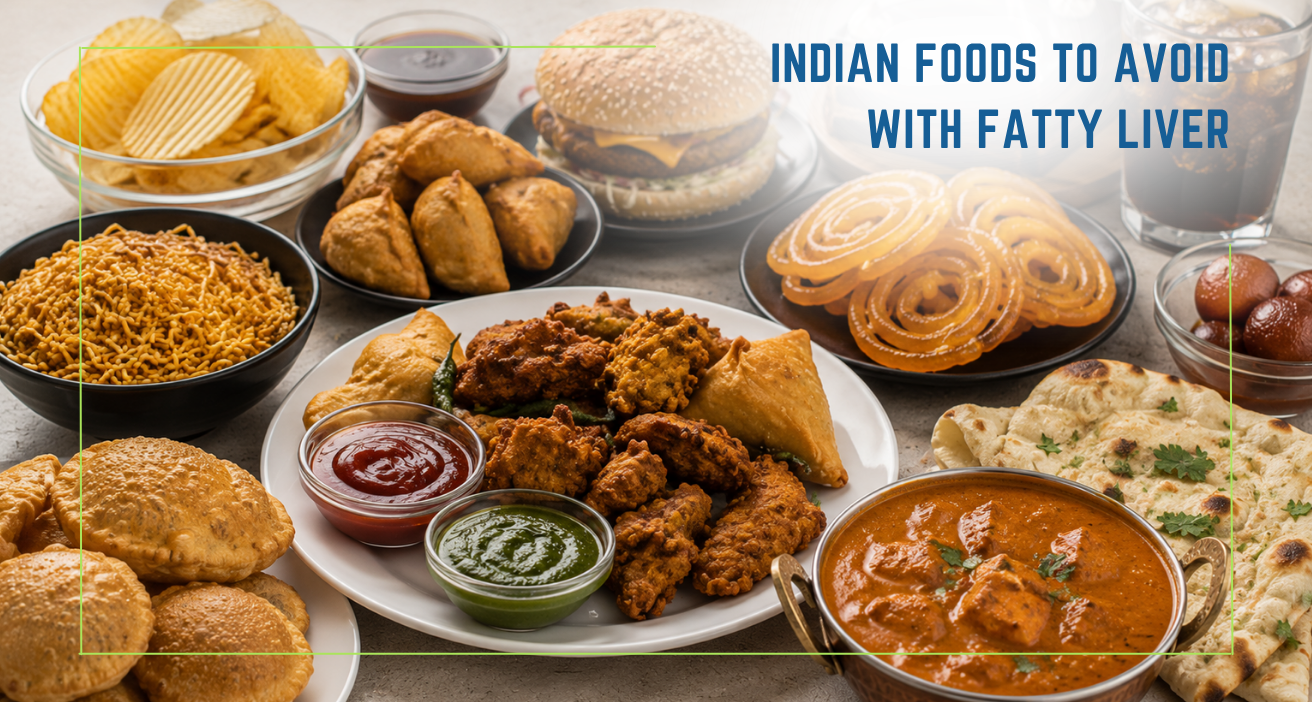
Just as important as what to eat is what to limit:
- ✗White rice in large quantities — high glycaemic, rapidly converted to liver fat
- ✗Maida (refined flour) — in puris, parathas, bhatura, naan
- ✗Fried snacks — samosas, pakoras, chakli, namkeen
- ✗Sweetened beverages — packaged fruit juices, flavoured lassi, chai with 3 spoons of sugar
- ✗Ultra-processed foods — biscuits, instant noodles, packaged snacks
- ✗Excess jaggery and honey — often mistaken as "healthy" but still high in fructose
A Sample Indian Diet Plan for Fatty Liver
When Food Isn't Enough: The Functional Medicine Approach
While diet plays a foundational role, fatty liver is a metabolic condition — and for many patients, food alone may not fully reverse it.
At L&B Clinics, our functional medicine approach goes deeper:
- Root cause testing — insulin resistance markers, gut microbiome, inflammatory load, thyroid function
- Personalised nutrition protocols — not generic advice, but a diet built around your specific metabolic profile
- Targeted supplementation — based on lab findings, not guesswork
- Lifestyle correction — sleep, stress, and movement all directly impact liver fat
Conclusion
Indian food, at its traditional core, is remarkably liver-friendly. Fermented foods like idli and dosa, low-GI grains like ragi, legumes like dal, and herbs like methi and turmeric offer a powerful, culturally familiar toolkit for reversing fatty liver.
Is ragi good for fatty liver? Absolutely — it may be one of the best grains you can choose.
Are idli and dosa good for fatty liver? Yes, when prepared traditionally and eaten without excess fat or refined accompaniments.
The key is returning to real, whole Indian food — and away from the ultra-processed, refined, sugar-heavy modern diet that's driving the NAFLD epidemic.
Ready to reverse your fatty liver with a plan built for your body? Book a consultation at L&B Clinics and speak with our functional medicine specialists today.
FAQs on Curry Leaves and Saag for Fatty Liver
Curry leaves are considered beneficial for fatty liver as they are rich in antioxidants and have traditionally been associated with supporting digestion and metabolic health, making them a useful addition to a liver-friendly diet when used in regular cooking. For a complete fatty liver care programme that personalises your diet, see L&B Clinics' Fatty Liver Care Program.
Saag (leafy green vegetable preparations) is beneficial for fatty liver when cooked with minimal oil, since leafy greens are rich in antioxidants, fiber, and micronutrients that support liver function, though traditional preparations using excess ghee or cream should be limited. For a full Indian diet plan for managing fatty liver, see the Indian diet chart for fatty liver.