.png)
What Is Alopecia? Types, Causes & Early Warning Signs Explained

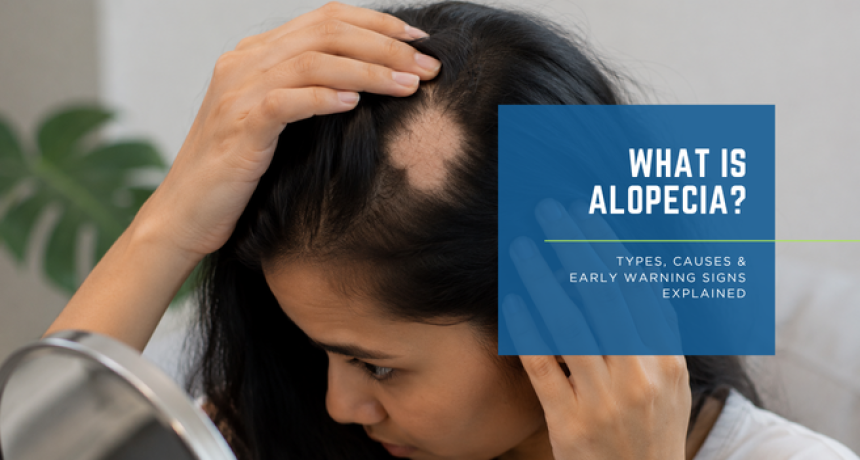
Introduction Hair loss has become one of the most common health concerns among both men and women in India, yet most people still treat it as a purely cosmetic issue. A few extra strands on the pillow, a widening partition, or thinning near the temples are often ignored until the hair loss becomes visibly noticeable. However, persistent or unusual hair fall can sometimes indicate a deeper issue within the body rather than just an external scalp problem. Alopecia is the medical term used to describe abnormal hair loss from the scalp or body. Unlike temporary seasonal shedding, alopecia involves disruption of the natural hair growth cycle and may be linked to autoimmune dysfunction, hormonal imbalance, nutritional deficiencies, chronic inflammation, stress overload, or genetic predisposition. In many cases, the scalp becomes the first place where internal health imbalances begin to show visible signs. At L&B Clinics, we often see patients who initially try oils, shampoos, or supplements for months before realising the root issue may actually involve gut health, insulin resistance, thyroid dysfunction, chronic stress, or metabolic inflammation. This is why understanding the early signs and different types of alopecia becomes extremely important for timely intervention and long-term recovery. What Is Alopecia? Alopecia refers to a condition where hair begins to fall excessively or stops growing normally due to damage or dysfunction within the hair follicles. The condition may affect only the scalp or extend to eyebrows, eyelashes, beard, and body hair depending on the underlying cause and severity. Some forms of alopecia are temporary and reversible, while others may become progressive if left untreated for long periods. Hair naturally grows in cycles, and losing a certain amount of hair daily is considered normal. However, when follicles begin shrinking, becoming inflamed, or entering the shedding phase prematurely, visible thinning and baldness can develop. This disruption may happen gradually over years or suddenly within weeks depending on whether the trigger is hormonal, autoimmune, nutritional, inflammatory, or stress-related. One of the biggest misconceptions about alopecia is that it only affects older men. In reality, women in their 20s and 30s are increasingly experiencing hormonal and stress-related hair loss due to modern lifestyle patterns, poor sleep, crash dieting, insulin resistance, environmental toxin exposure, and chronic inflammation. Children and teenagers may also develop certain autoimmune forms of alopecia. Alopecia Meaning: Why Does Hair Loss Happen? To understand alopecia properly, it is important to first understand how healthy hair growth works. Every hair follicle continuously moves through three different stages — the growth phase (anagen), the transition phase (catagen), and the shedding phase (telogen). Under healthy conditions, follicles cycle normally and continue producing strong, healthy strands over time. However, when the body experiences prolonged stress, inflammation, nutrient deficiency, immune dysfunction, or hormonal imbalance, the hair growth cycle becomes disturbed. Hair may begin shedding faster than it regrows, follicles may shrink in size, and new hair may emerge thinner and weaker than before. Over time, this leads to visible thinning, patchy baldness, or reduced hair density. Several modern lifestyle factors contribute heavily to this disruption today. Poor-quality processed food, high sugar intake, sleep deprivation, emotional stress, PCOS, thyroid dysfunction, gut imbalance, excessive dieting, and sedentary lifestyles all influence hormonal and inflammatory pathways connected to hair follicle health. This is why simply changing shampoos rarely addresses the actual root cause behind alopecia. Types of Alopecia in India There are multiple forms of Alopecia, and each type behaves differently depending on the underlying trigger. Identifying the correct type is essential because treatment strategies vary significantly from one condition to another. Alopecia Areata is one of the most commonly diagnosed autoimmune hair loss disorders. In this condition, the immune system mistakenly attacks healthy hair follicles, leading to sudden round or oval bald patches on the scalp, beard, or eyebrows. Many patients notice hair falling out rapidly within a short period of time, often after emotional stress, illness, or immune activation. Several triggers may contribute to autoimmune hair loss, including: Chronic emotional stress that disrupts immune regulation and inflammatory balance over time. Vitamin D deficiency, low ferritin, zinc deficiency, and poor nutritional status affecting follicle immunity. Thyroid disorders and other autoimmune conditions that increase immune system hyperactivity. Gut inflammation and poor microbiome diversity, which may worsen autoimmune responses within the body. Some individuals experience spontaneous regrowth, while others may develop recurrent episodes if the underlying immune imbalance is not addressed properly. 2. Androgenetic Alopecia Androgenetic Alopecia is commonly known as male pattern baldness or female pattern hair loss. This type is strongly associated with genetics and hormonal sensitivity, particularly to a hormone called DHT (dihydrotestosterone), which gradually shrinks hair follicles over time. In men, androgenetic alopecia usually begins with a receding hairline or thinning near the crown area. Women, however, often experience widening of the hair partition, overall thinning, and reduced hair volume rather than complete bald patches. Rising insulin resistance, PCOS, chronic stress, and hormonal imbalance are making this condition increasingly common among younger adults in India today. Gradual thinning near the temples or crown region over several months or years. Reduced hair density and visible scalp exposure, especially under bright lighting conditions. Hair strands becoming thinner, weaker, and less pigmented over time due to follicle miniaturisation. Progressive widening of the partition in women linked to hormonal fluctuations and metabolic dysfunction. 3. Telogen Effluvium Telogen Effluvium is a condition where a large number of hair follicles suddenly enter the shedding phase together. Unlike patchy hair loss, telogen effluvium causes diffuse thinning across the scalp and is often triggered by physical or emotional stress placed on the body. This condition has become increasingly common after viral infections, extreme dieting, chronic anxiety, poor sleep, postpartum recovery, and sudden weight loss. Patients usually notice heavy hair shedding while combing, washing, or even running fingers through the hair. The good news is that this form of alopecia is often reversible once the internal trigger is corrected. High fever, viral illness, surgery, or sudden physical stress affecting the body’s recovery mechanisms. Crash dieting, inadequate protein intake, and rapid weight loss leading to nutrient depletion. Emotional burnout, anxiety, sleep deprivation, and chronic cortisol elevation disrupting follicle cycles. Hormonal shifts after childbirth, thyroid imbalance, or stopping certain medications suddenly. 4. Traction Alopecia Traction Alopecia develops when hair follicles are repeatedly exposed to excessive tension or pulling force over long periods. Tight hairstyles place constant stress on the roots, gradually weakening follicles and causing hairline recession or thinning around affected areas. This condition is commonly seen in individuals who frequently wear tight ponytails, buns, braids, extensions, or head coverings that pull the scalp continuously. If diagnosed early, the follicles may recover after reducing tension. However, long-term traction can permanently damage the follicle structure. Tight hairstyles worn daily that continuously pull hair from the root area. Hair extensions or styling practices creating chronic tension around the scalp. Excessive use of heat styling and chemical treatments weakening already stressed follicles. Delayed intervention allowing inflammation and follicle scarring to develop over time. 5. Scarring Alopecia Cicatricial Alopecia is a more severe inflammatory condition where hair follicles become permanently destroyed and replaced by scar tissue. Unlike temporary hair shedding disorders, this type can lead to irreversible baldness if treatment is delayed. Patients may experience redness, itching, pain, burning sensations, or visible scalp inflammation before permanent hair loss occurs. Early diagnosis is extremely important because once the follicle is completely scarred, regrowth becomes very difficult. Red, inflamed, or painful scalp areas associated with active follicle destruction. Burning, itching, or tenderness before visible hair thinning develops. Smooth shiny patches where follicles appear absent or permanently damaged. Progressive hair loss that continues spreading despite regular hair care treatments. Early Signs of Alopecia You Should Not Ignore Many people ignore the early stages of alopecia because hair loss usually begins gradually. By the time visible baldness develops, the follicles may already be significantly weakened. Identifying the warning signs early improves the chances of successful recovery and prevents further progression. Finding large amounts of hair on pillows, shower drains, hairbrushes, or clothing consistently over several weeks may indicate abnormal follicle shedding rather than normal hair fall. Heavy shedding after stress, illness, or nutritional deficiency should never be ignored for long durations. One of the earliest signs of female pattern hair loss is gradual widening of the central hair partition. Many women first notice reduced density while tying their hair or under bright lighting conditions, especially when hormonal imbalance or PCOS is involved. Round or smooth bald patches often point toward Alopecia Areata and should be evaluated quickly. Sudden patchy hair loss may indicate underlying immune dysfunction that requires deeper investigation. Hair strands becoming progressively thinner, brittle, dry, or weak may indicate shrinking follicles and poor nutrient supply. This usually develops before major visible hair loss occurs and serves as an early metabolic warning sign. Persistent scalp irritation, redness, itching, tenderness, or burning sensations may indicate inflammatory or autoimmune scalp involvement. Chronic inflammation around follicles can interfere with healthy hair growth cycles over time. What Causes Alopecia? There is rarely a single cause behind alopecia. In most cases, hair loss develops due to a combination of internal imbalances affecting follicle health simultaneously. This is why root-cause evaluation becomes essential rather than relying only on cosmetic hair products. Modern stress levels have a major impact on hair health. Chronic cortisol elevation affects immune regulation, hormonal balance, nutrient absorption, sleep quality, and inflammatory pathways that directly influence hair growth cycles. Push follicles prematurely into the shedding phase and increase daily hair fall significantly. Trigger autoimmune flares and worsen inflammatory scalp conditions over time. Disrupt sleep and nervous system recovery, both essential for healthy follicle regeneration. Reduce digestive efficiency and nutrient absorption required for strong hair growth. Nutritional Deficiencies Hair follicles are highly nutrient-dependent and require constant metabolic support for healthy growth. Deficiencies often develop silently due to poor diets, gut dysfunction, processed foods, or restrictive eating patterns. Iron and ferritin deficiency reducing oxygen supply to actively growing follicles. Vitamin D deficiency affecting immune balance and follicle cycling mechanisms. Low protein intake limiting amino acids required for keratin production and repair. Zinc and B12 deficiencies impairing follicle regeneration and scalp health maintenance. Hormonal Imbalance Hormones play a major role in regulating hair growth patterns. Conditions such as PCOS, insulin resistance, thyroid disorders, menopause, and elevated androgen levels frequently contribute to progressive hair thinning in women and men alike. PCOS and elevated androgens increasing follicle sensitivity and scalp thinning. Insulin resistance creating chronic inflammation and hormonal dysregulation internally. Thyroid imbalance slowing follicle metabolism and disrupting hair growth cycles. Menopause-related estrogen decline reducing hair density and follicle support. How L&B Clinics Approaches Alopecia Treatment At L&B Clinics, we believe hair loss should never be treated as only a surface-level cosmetic concern. Our approach focuses on identifying the internal imbalances affecting follicle health and creating personalised recovery protocols designed for long-term improvement. Rather than simply prescribing topical products, we evaluate deeper metabolic and inflammatory triggers connected to hair health. This may include hormonal testing, nutritional assessment, gut health evaluation, inflammatory markers, thyroid function, insulin resistance, and lifestyle analysis. Hair follicles require adequate protein, minerals, amino acids, antioxidants, and healthy fats to function properly. Nutrition protocols are designed according to the patient’s deficiencies, metabolic profile, inflammatory load, and hormonal health rather than using generic diet recommendations. Sleep quality, nervous system balance, emotional stress, and recovery patterns strongly influence hair growth. Long-term improvement often requires correcting stress overload, improving recovery, regulating cortisol levels, and supporting healthy circadian rhythms. Conclusion Alopecia is far more than a cosmetic concern. In many cases, it reflects deeper issues involving hormones, immunity, nutrition, stress, inflammation, and metabolic health. Understanding the early signs of alopecia and identifying the root cause early can significantly improve long-term outcomes and help preserve follicle health before irreversible damage occurs. At L&B Clinics, our functional medicine approach combines nutrition, hormonal assessment, gut health optimisation, metabolic evaluation, and personalised wellness protocols to address hair loss from the inside out. If your hair loss feels persistent, progressive, or unexplained, it may be time to look beyond shampoos and begin understanding what your body is trying to communicate.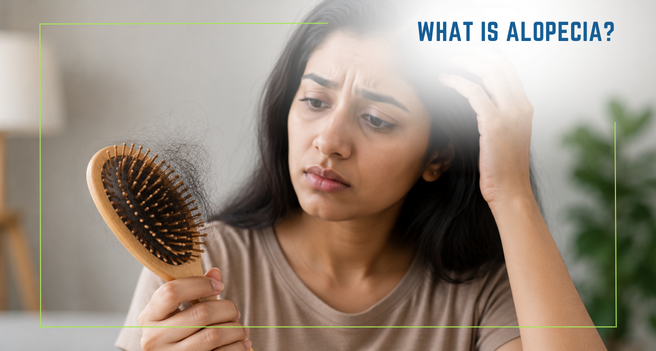
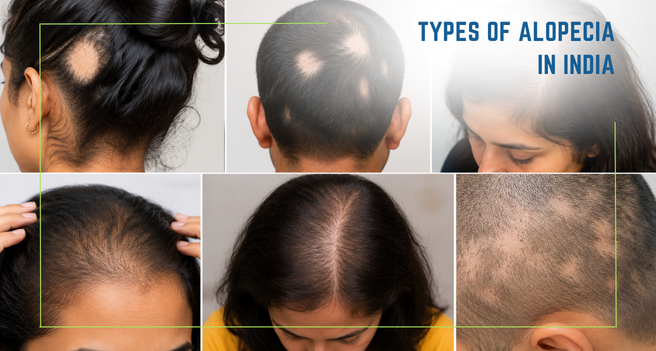
1. Alopecia Areata
Alopecia Areata Causes Explained
Common Signs Include:
Common Triggers Include:
Common Causes Include:
Warning Signs Include:
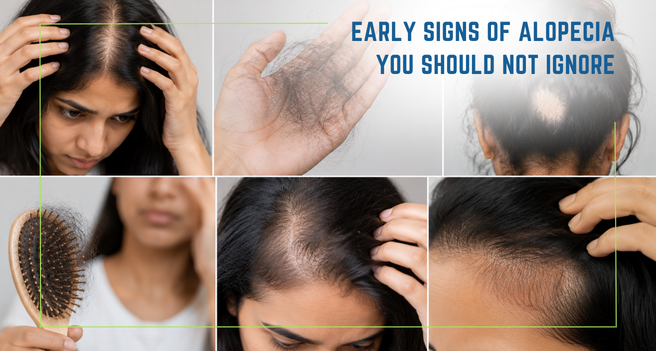
Excessive Hair Shedding
Widening Hair Partition
Sudden Bald Patches
Hair Becoming Thin and Weak
Scalp Inflammation or Itching
Chronic Stress
Stress Can:
Common Nutrient Deficiencies Include:
Hormonal Hair Loss Is Commonly Linked To:
Root Cause Assessment
Personalised Nutrition & Functional Medicine
Stress & Lifestyle Correction