.png)

What is Gut Microbiome Test

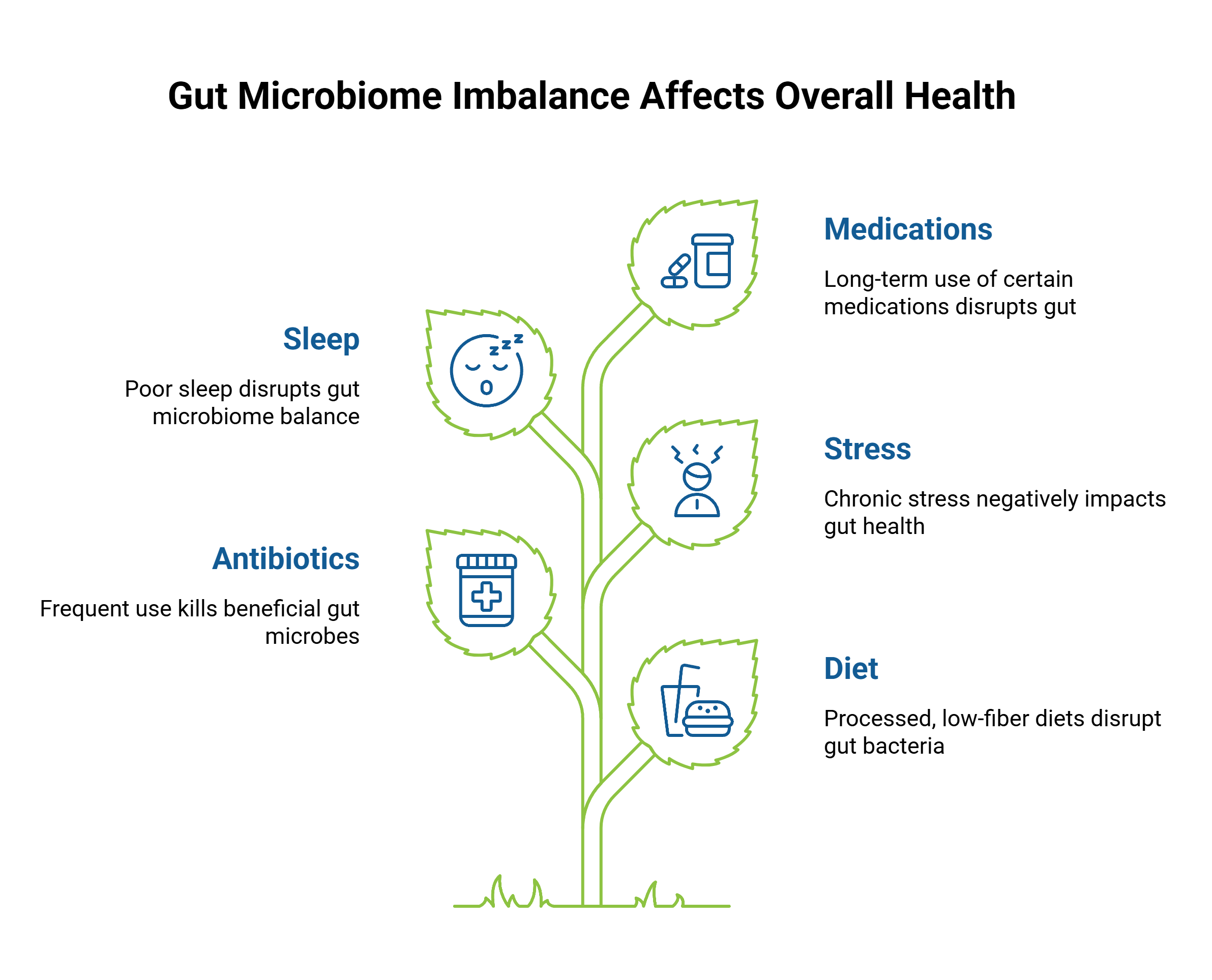
If you search for, "what is gut microbiome test" and become confused when reading articles about it, it's not just you. People need practical responses rather than a bunch of complicated research articles. Basically, a gut microbiome test is a type of stool sample analysis to analyze all of the microbes that live inside of your digestive system. The majority of the microbes in our bodies are bacteria; however, fungi, viruses and other microorganisms are also present. After a sample is analyzed, the laboratory will scan the microbes found in the sample for their genetic makeup (DNA) and then generate a map showing which microbes are present, how diverse they are and in more advanced analysis, what they may metabolize currently. In essence, the gut microbiome test creates a 'census' or 'demographic profile' of your gut's microbiome, and as such, when talking about what a gut microbiome test is, this is what many people want to learn. They do not want to guess or assume what types of microbes they have; they want to know exactly which microbes are in their gut and how they are metabolizing right now based on the DNA found in their stool sample and, that's why laboratory results should be readily available and interpretable by experts. The information from a good gut microbiome test goes far beyond listing out a whole bunch of Latin words. A really good gut microbiome test answer three very useful questions for any clinician: Who lives inside of your gut? The Gut Microbiome Test includes identifying MAIN bacteria groups, while at times may include Yeasts, Viruses, Organisms and Archaea (for testing purposes). How well balanced is my Ecosystem? A more balanced Ecosystem is often linked with greater patient resilience & with improved metabolic health. How might this tie to symptoms? Research links specific patterns – like decreased beneficial Firmicutes or increased pro‑inflammatory Proteobacteria – to IBS symptoms, IBD flares and barrier dysfunction A gut microbiome test isn't something that needs to be done simply because it exists; it is only really helpful when there are a variety of symptoms and medical history indicating a potential gut imbalance. Here are some of the most common indicators that your gut may need additional testing and/or care: Bloating, gas, cramping, or irregular bowel movements for more than 1 month. IBS-like symptoms with normal blood tests and/or basic imaging tests. Loose stools or constipation without any known cause. New onset of food sensitivities or post-meal pain/discomfort after certain foods. Fatigue, brain fog, and/or skin issues that worsen with certain foods. Some lifestyle and medical indications: Taking antibiotics multiple times over your lifetime. Eating a very processed/grain-based (low-fiber) diet. Experiencing chronic stress and/or poor sleep. Taking a medicine to reduce acid (e.g., omeprazole) for a long time and/or intake of NSAIDs. When you have several of these symptoms/lifestyle practices/diagnoses together, it is a fair question to ask "Okay, realistically, what is gut microbiome test going to add here?" Gut microbiome testing is not designed to replace colonoscopy or other standard diagnostic tests, but it can help identify patterns regarding your gut health that are not identified by blood tests. You’re sent a kit that contains everything you need to complete the test; it contains a small scoop or spatula, tubes containing a stabilizing solution, labels that describe how to perform the test, and detailed written instructions for performing the test. You collect the sample yourself at home by scooping up a pea-sized sample from various sections of a single stool into each of the provided tubes, sealing the tube, and then sending them back to the laboratory according to the instructions that you received with the kit. There is no need to go to the laboratory in most cases. The lab technicians will extract the microbial DNA from your stool sample, perform DNA sequencing on both strands of the DNA (16S rRNA or genomic sequencing), and match the sequencing data against a database of microbial reference sequences. You will receive a report within 2 to 4 weeks that summarizes the results of the test. The report will indicate the diversity of species of bacteria in your gut, highlight the main species, identify differences between species, and provide recommendations about dietary/lifestyle changes that could lead to improvements in your health. The human microbiome market is expected to grow exponentially by 2026, and analysts project that the sector will generate approximately USD 1.6 billion in revenues. There will also be rapid growth over the next decade through 2035. Home tests for gut microbiomes are forecasted to achieve double digit CAGR, as more people become conscious of their gut health and begin to utilize digital health tools for this purpose. The scientific community has seen a shift to a more functionally oriented and clinically validated panel of tests that are able to predict disease risk and how individuals will respond to treatment. The business segment of gut microbiome testing is following this trend, as tests that were once seen as a novelty will soon become recognized as highly standardized and clinically integrated diagnostics for specific purposes. Key Innovations coming up in 2026: AI Driven Analytics to provide personalized recommendations based on integration of microbiome data, dietary patterns, use of wearable technology, and laboratory testing. Innovations related to Organs-on-Chip and Digital Twin Models to facilitate the study of changes in Microbiomes and their effects on the Gut, the Liver and The Brain (G-L-B) through a method that better mimics human physiology, instead of solely relying upon Animal Models. Innovations utilizing multiple Omic technologies to enable researchers to utilize Metagenomic, Metabolomic, and Hosts Gene/Genetic sequences to produce a more accurate, actionable understanding of Microbiomes. Through these innovations and technological advances there will be a shift in the approach to Gut Microbiome Test Research. In conclusion, when someone searches for “What is Gut Microbiome Test”, it is most important that they understand this is a stool sample, DNA based assessment of the bacteria in your gut, and it identifies any possible imbalances, assists you in the development of personalized nutrition and in certain clinical circumstances, serves as a supplementary diagnostic tool for IBS, IBD and other Chronic Conditions. A gut microbiome test analyzes the microorganisms in your gut to assess health and identify potential issues. It can reveal imbalances in gut bacteria, guiding dietary and lifestyle changes for better health. Symptoms like bloating, irregular bowel movements, and food intolerances may suggest a need for testing. While they provide valuable insights, results should be interpreted with caution and in consultation with a healthcare provider. Expect advancements in accuracy, personalized recommendations, and integration with overall health management.What Is a Gut Microbiome Test?
What The Gut Microbiome Test Reveals
Signs You Might Need a Gut Microbiome Test
How the Testing Process Works (Step-By-Step)
Insights for 2026: The Future of Gut Microbiome Testing
Emerging Research Trends:
Technological Advancements:
Final Thoughts
FAQs on What is Gut Microbiome Test
What is a gut microbiome test?
How can a gut microbiome test improve my health?
What signs indicate I should take a gut microbiome test?
Are gut microbiome tests reliable?
What should I expect from gut microbiome testing in 2026?