.png)
The Future of Oligo Scan Test in India (2026): Research, Clinical Use & Evidence-Led Insights
2026-01-05 As India enters a phase of lifestyle-driven chronic disease burden, clinicians are increasingly recognising that many conditions do not begin with pathology—but with cellular imbalance. Mineral depletion, impaired absorption, oxidative stress, and toxic exposure often precede diagnosable disease by years. The Oligo Scan test has gained attention because it attempts to assess these imbalances at the tissue level, rather than relying only on circulating blood values. However, despite growing adoption, clinical awareness and correct interpretation remain inconsistent. By 2026, the real future of Oligo Scan in India depends not on popularity, but on education, research alignment, and ethical clinical use. At Longevity & Beyond Clinics, Oligo Scan is positioned as a supportive assessment tool, grounded in physiology and used alongside validated diagnostics—not as a shortcut or replacement. Oligo Scan is based on spectrophotometric tissue analysis, a principle long used in laboratory science to identify substances based on light absorption and reflection patterns. In clinical application, the device emits specific light wavelengths into the skin (typically the palm), and the reflected signal is analysed against known mineral and metal signatures. Blood mineral levels are homeostatically regulated The body maintains serum levels by drawing from tissues and bones Early deficiency states may exist despite normal blood reports This phenomenon is well-documented for minerals such as magnesium, zinc, and selenium, which are predominantly intracellular. Oligo Scan attempts to reflect this functional reserve status, offering clinicians early clues rather than late confirmation. Current Clinical Landscape of Oligo Scan in India (2026) In India, Oligo Scan is primarily used within: Preventive and longevity clinics Functional and integrative medicine practices Sports and performance medicine Metabolic and hormonal wellness programs Its adoption is driven by patient demand for explanation, especially among individuals who: Remain symptomatic despite normal blood work Show poor response to supplementation Experience recurrent fatigue, hair fall, metabolic resistance, or inflammation However, a major clinical gap persists: device availability has grown faster than practitioner training. In many cases, scans are performed without correlating results to absorption physiology, gut health, renal regulation, or environmental exposure—reducing clinical value. It is important to be precise and ethical when discussing Oligo Scan research. Peer-reviewed literature consistently confirms that: Micronutrient deficiencies are widespread in urban Indian populations Heavy metal exposure (lead, aluminium, mercury) is rising due to pollution and food systems Serum levels often fail to reflect intracellular availability Oxidative stress and mineral depletion are closely linked These findings support the clinical rationale behind tissue mineral assessment. Large-scale India-specific validation studies on Oligo Scan technology itself Outcome-based trials correlating Oligo Scan correction with disease reversal Standardised cut-offs across diverse skin types and environments This makes clinical interpretation and cross-verification essential. Oligo Scan should guide inquiry—not end it. From an evidence-informed standpoint, Oligo Scan is best used when: Symptoms persist without biochemical explanation Nutritional therapy shows inconsistent results Detoxification or chelation is being considered Long-term preventive strategies are planned Best practice integration includes correlating Oligo Scan data with: Blood biochemistry Dietary intake and absorption capacity Gut microbiome health Renal and hepatic function Environmental exposure history This layered approach prevents over-supplementation, misdiagnosis, and patient anxiety. By 2026, Oligo Scan platforms are evolving toward: Improved calibration for diverse skin tones Better longitudinal tracking rather than one-time scans Software-based trend analysis instead of static reports Clinically, the shift is from “reading numbers” to “tracking patterns”—which aligns better with preventive medicine and chronic disease risk reduction. When applied responsibly, Oligo Scan supports: Early identification of functional deficiencies Reduction in blind or excessive supplementation Personalised nutrition strategies Improved patient understanding and compliance Preventive intervention before disease onset The key benefit is education—helping patients understand why they feel unwell, not just what to take. India currently classifies Oligo Scan under wellness and non-invasive assessment tools. By 2026 and beyond, regulatory focus is expected to move toward: Practitioner credentialing Clear clinical disclaimers Standard operating protocols Patient education requirements This evolution is necessary to protect patients and preserve clinical credibility. The future of Oligo Scan in India is not about replacing diagnostics—it is about enhancing clinical insight responsibly. Used without context, it becomes noise. Used with education, physiology, and ethics, it becomes a powerful preventive aid. For clinicians, the responsibility lies in interpretation. At L&B Clinics, Oligo Scan is approached as a conversation starter, not a conclusion—anchored in science, guided by clinical judgment, and aligned with long-term health outcomes. No. It is a supportive assessment tool and should not replace blood tests or medical diagnosis. It provides tissue-level trends, which must be interpreted alongside clinical and biochemical data. Yes—but only when combined with absorption capacity, gut health, and medical oversight. Yes, when used ethically within an integrative, evidence-informed framework. Clinically trained practitioners Evidence-aligned diagnostic integration Strong focus on patient education and safety Preventive, not reactive, healthcare philosophyWhy Oligo Scan Needs Better Clinical Understanding
Understanding Oligo Scan Technology: A Clinical Lens
Why Tissue-Level Assessment Matters Clinically
What Science Supports (and What It Doesn’t)
What Current Research Supports
What Is Still Evolving
Clinical Integration: How Oligo Scan Should Be Used in 2026
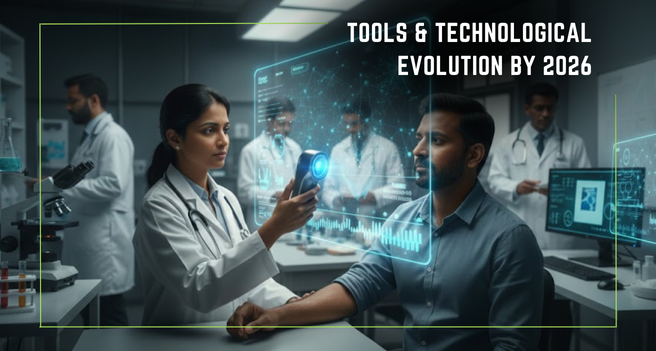
Tools & Technological Evolution by 2026
Patient Benefits When Used Correctly
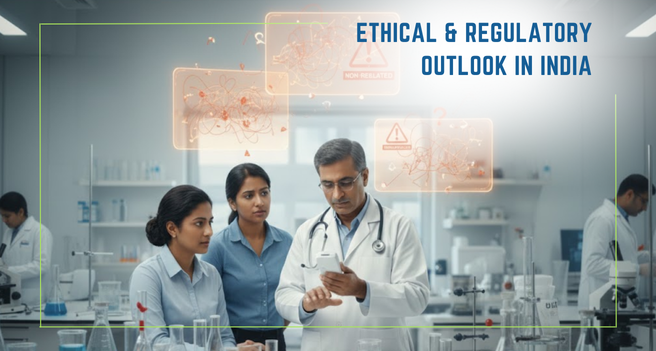
Ethical & Regulatory Outlook in India
Conclusion: Education Will Decide the Future
For patients, the responsibility lies in informed decision-making.FAQs on The Future of Oligo Scan Test in India
1. Is Oligo Scan a diagnostic test?
2. Does Oligo Scan measure deficiency accurately?
3. Can Oligo Scan guide supplementation?
4. Is it suitable for preventive health in 2026?
Why L&B Clinics