.png)
Oligo Scan Test: Updated Guide 2026

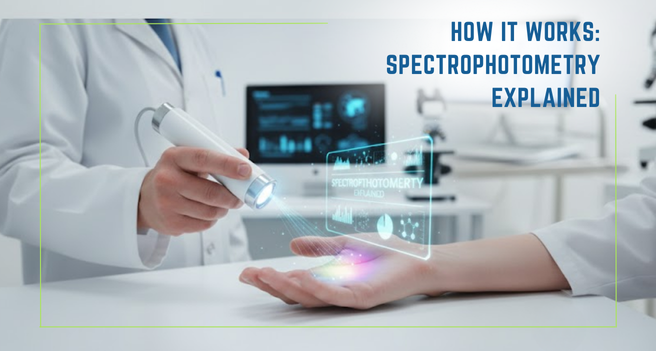
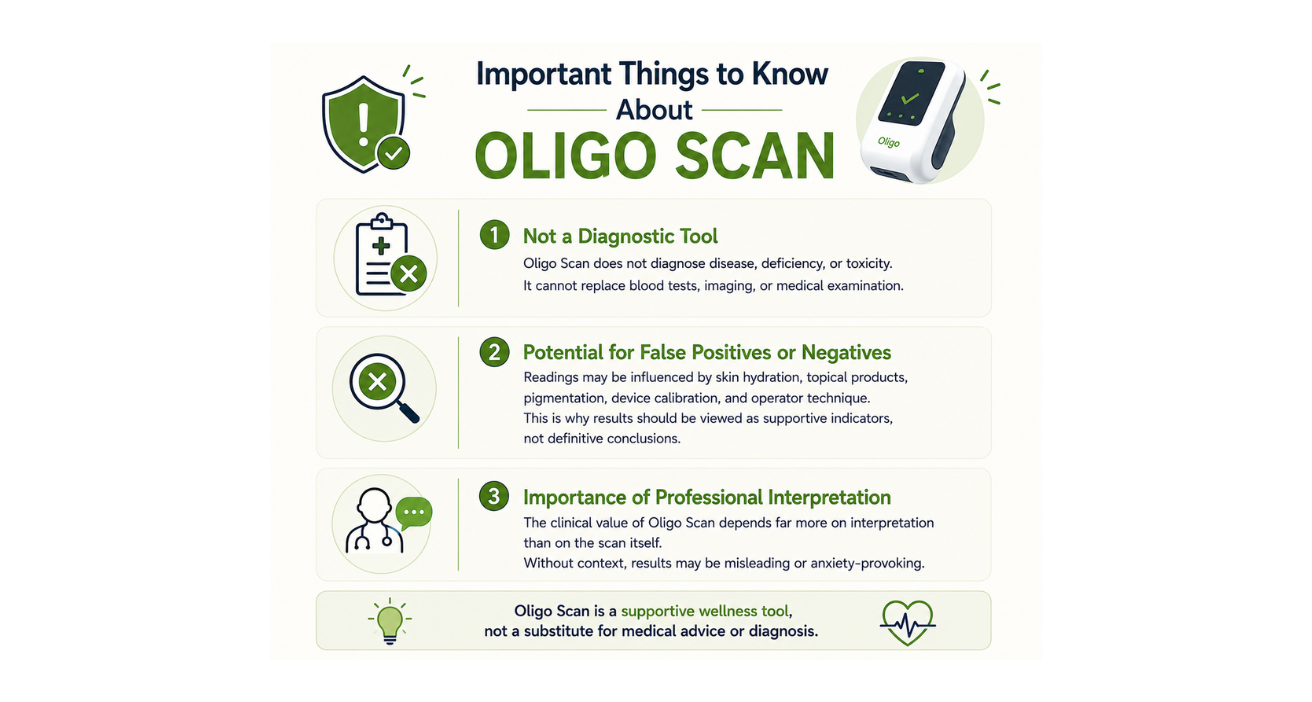
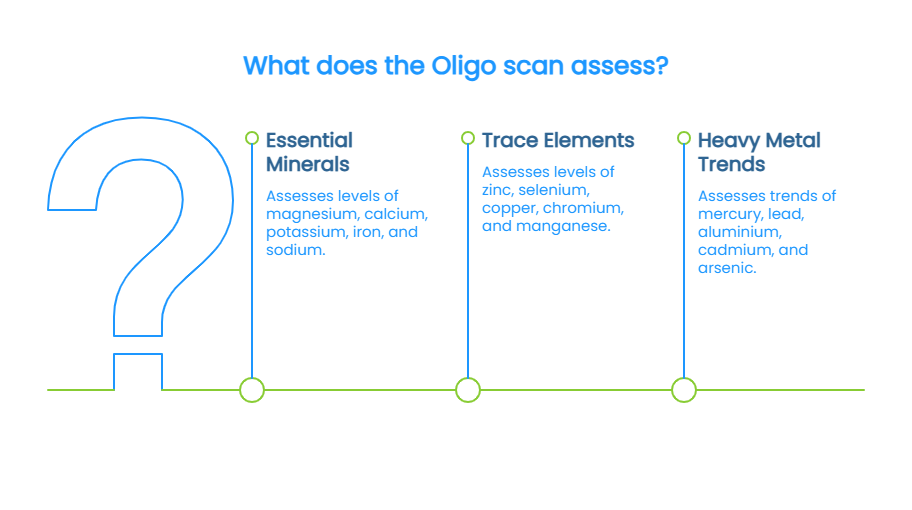
By 2026, preventive healthcare has moved decisively beyond symptom-based treatment. Clinicians and patients alike are increasingly aware that micronutrient imbalance, impaired absorption, and environmental toxicity often develop silently—years before disease is diagnosed. The Oligo Scan test has gained relevance in this context as a functional screening tool designed to assess internal mineral balance and potential heavy metal burden early. Oligo Scan uses light-based analytical technology to estimate tissue-level availability of key minerals and trace elements, alongside trends suggestive of heavy metal exposure. This matters because many nutrients essential for energy production, immunity, neurological stability, and metabolic health are largely intracellular, while routine blood tests reflect only short-term circulation. The test is non-invasive, painless, and quick, which makes it suitable for preventive assessments and follow-up monitoring. At Longevity & Beyond Clinics, Oligo Scan is used within an education-led, clinically responsible framework—helping individuals understand why symptoms may persist and how to address root causes safely. The Oligo Scan test is a non-invasive spectrophotometric screening method that estimates relative levels of minerals, trace elements, and potential heavy metals in body tissues. Its purpose is not to diagnose disease, but to identify functional imbalances that may influence long-term health. Spectrophotometry is a well-established scientific principle used to identify substances based on how they absorb and reflect specific wavelengths of light. During an Oligo Scan, a handheld optical probe is placed on selected areas of the palm—chosen to reduce pigmentation interference and improve signal consistency. Safe light wavelengths penetrate superficial tissues. Minerals and metals interact with light in element-specific ways, producing characteristic optical signatures. These reflections are analysed using calibrated algorithms and compared with reference datasets to generate an immediate report. Essential minerals: magnesium, calcium, potassium, iron, sodium Trace elements: zinc, selenium, copper, chromium, manganese Potential heavy metals: mercury, lead, aluminium, cadmium, arsenic Clinically, these values are interpreted as trends, not absolute concentrations. The entire assessment takes only a few minutes, with results available immediately. This allows for same-visit discussion and reduces dependency on repeated lab visits. No blood draw, radiation, or recovery time is required. This makes the test suitable for individuals who prefer minimal intervention or require frequent monitoring. Rather than relying on generic supplementation or trial-and-error approaches, Oligo Scan helps identify individual patterns of imbalance. When correlated with symptoms, diet, lifestyle, and medical history, it supports targeted, rational health strategies. By highlighting early functional shifts—before disease manifests—Oligo Scan supports preventive and longevity-focused care. Its value lies in early awareness, not late-stage diagnosis. People experiencing chronic fatigue, muscle cramps, hair fall, frequent infections, mood disturbances, or poor stress tolerance—despite normal blood reports—may benefit from tissue-level insight. Physical training increases mineral demand and loss through sweat and stress hormones. Oligo Scan can help guide recovery and performance strategies when used alongside clinical evaluation. When symptoms persist without clear explanation, Oligo Scan may help identify functional contributors such as poor absorption, increased demand, or environmental exposure. Low tissue trends may indicate inadequate intake, impaired absorption (often gut-related), increased demand (stress, illness, training), or excessive loss. High trends may reflect supplementation excess or altered metabolism. Importantly, Oligo Scan does not diagnose deficiency or toxicity. Instead, it raises clinical questions: Why is this mineral low despite adequate intake? Is absorption compromised? Is demand unusually high? Results should always be reviewed with a trained healthcare professional. Best practice includes correlating findings with symptoms, dietary patterns, lifestyle factors, and—when appropriate—blood investigations. Self-treatment based solely on the report is discouraged. Oligo Scan does not diagnose disease, deficiency, or toxicity. It cannot replace blood tests, imaging, or medical examination. Readings may be influenced by skin hydration, topical products, pigmentation, device calibration, and operator technique. This is why results should be viewed as supportive indicators, not definitive conclusions. The clinical value of Oligo Scan depends far more on interpretation than on the scan itself. Without context, results may be misleading or anxiety-provoking. By 2026, Oligo Scan is increasingly integrated into personalised and preventive healthcare models. Ongoing research in micronutrient physiology, oxidative stress, and environmental health continues to reinforce the importance of early functional assessment. Expected developments include: Improved calibration and reporting algorithms Greater emphasis on longitudinal trend tracking rather than single readings Clearer guidelines on ethical use and clinical integration The future focus is shifting from “testing more” to interpreting better. The Oligo Scan test is best understood as a functional screening and educational tool that complements, rather than replaces, conventional diagnostics. Its value lies in highlighting early mineral imbalance and potential toxic burden that may contribute to persistent symptoms or future disease risk. When used responsibly—within a clinically guided, evidence-aligned framework—Oligo Scan can enhance preventive care, improve patient understanding, and support long-term wellness. If you are considering the test, professional guidance and follow-up remain essential. It assesses trends in tissue-level vitamins, minerals, and potential heavy metal exposure to support preventive health evaluation. The scan itself takes only a few minutes, with immediate results. Yes. It is non-invasive, painless, and does not involve radiation or blood sampling. Frequency depends on individual goals and clinical guidance. Many people use it annually or for monitored follow-up. The emphasis is on better standardisation, integration with other diagnostics, and responsible interpretation within personalised healthcare. L&B Clinics follows an evidence-aligned, clinically responsible approach to Oligo Scan testing. Interpretation, education, and prevention are prioritised over isolated reports or quick fixes. Internal Links: Nutritional Counseling Services Preventive Health Check-ups Wellness ProgramsIntroduction to Oligo Scan Test
What Is the Oligo Scan Test?
How It Works: Spectrophotometry Explained
What Components Are Measured
Benefits of Oligo Scan Testing

Quick, Patient-Friendly Results
Completely Non-Invasive
Personalised Health Insights
Role in Preventive Health
Who Should Consider an Oligo Scan Test?

Individuals With Specific Health Concerns
Athletes and Active Individuals
Those With Unexplained or Persistent Symptoms
Understanding Your Oligo Scan Results
Interpreting Mineral and Trace Element Levels
What High or Low Levels Indicate
Importance of Follow-Up Consultation
Limitations and Considerations
Not a Diagnostic Tool
Potential for False Positives or Negatives
Importance of Professional Interpretation
Future of Oligo Scan Testing
Conclusion
FAQs on Oligo Scan Test: Updated Guide 2026
1. What is the Oligo Scan test used for?
2. How long does the test take?
3. Is the Oligo Scan test safe?
4. How often should I get tested?
5. What should I know about Oligo Scan testing in 2026?
Why L&B Clinics