.png)

7 Research-Backed Facts About IV Therapy Most People Miss

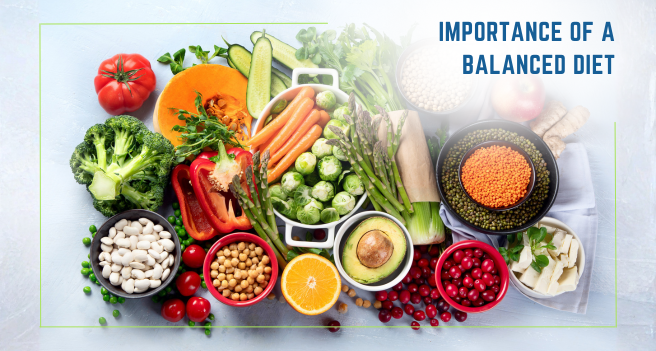
IV therapy, also called intravenous therapy, is a medical treatment that delivers fluids, vitamins, and nutrients directly into your bloodstream for faster absorption. Over the last few years, IV therapy has suddenly become a trend in Delhi. From athletes to corporate professionals, everyone seems to be getting vitamin drips for energy, immunity, and wellness. In this blog, there are 7 research-backed facts about IV therapy that help people to make smarter and better decisions. There are many IV therapy benefits, but it is also essential to note that IV therapy is not the answer to every health concern. It is a direct delivery of fluids and nutrients, which is very helpful in addressing deficiencies and aiding in the recovery process. It is not that capable of addressing the underlying causes of chronic illnesses, resolving long-term lifestyle problems, or serving as a substitute for proper medical care. IV therapy is simply a complementary therapy and not a remedy for fatigue, malnutrition, stress, or underlying medical conditions. Most people believe that frequent IV drips can immediately improve the immune system, energy, or overall health, but the truth is more balanced. A balanced diet is still the key to overall health. Food is a rich source of fiber, enzymes, and nutrients that IV therapy cannot completely substitute. Fresh fruits and vegetables, whole grains, and high-quality proteins are essential for proper digestion, metabolism, and immune function. A balanced diet also helps in maintaining a stable energy level. healthy digestion, and prevention of diseases. Thus, the IV therapy benefits are discussed, but it should be considered a supplement, not a substitute. There are various conditions where IV therapy is beneficial. These are given below: Severe dehydration that is caused by vomiting, diarrhea, heat exhaustion or intense physical activity. Vitamin and mineral deficiencies, such as B12, iron, or magnesium, etc., are confirmed by lab tests. Migraine management, where certain IV combinations help to reduce the symptoms. Post-illness or post-surgery recovery, when the body needs faster nutrient and fluid support. Chronic fatigue or weakness because of nutritional gaps or poor absorption. IV therapy can also play a supportive role in athletic performance for those athletes who train efficiently in demanding conditions. After heavy workouts, the body loses significant amounts of fluids, electrolytes and essential nutrients through sweat, which can lead to fatigue, muscle cramps and slower recovery. In such cases, IV therapy helps to restore hydration levels more quickly than oral fluids. Proper hydration is linked to physical performance, stamina, and muscle function, and maintaining hydration helps athletes return to training sooner and reduces the risk of fatigue. It is important to understand that IV therapy helps in recovery and rehydration more effectively when there is a genuine need. When used under proper medical guidance, IV therapy is a beneficial recovery tool. At LB Clinics, athletes are guided through proper assessment and personalized recovery plans to ensure IV therapy is used safely, effectively and only when truly needed. Many people believe that IV therapy is a faster or better replacement for eating healthy, but this is not true for most individuals. A balanced diet provides not just vitamins but also fiber, antioxidants, and other nutrients that IV drips cannot deliver. For healthy people, the body usually absorbs nutrients from food very efficiently without needing IV support. IV therapy is taken as a quick fix for low energy, stress or poor lifestyle habits that creates unrealistic expectations. You can get nutritional sufficiency through diet also. Many people can easily meet their nutrient needs through a well-planned, balanced diet. With regular intake of fruits, vegetables, whole grains, proteins & fats, support your health naturally. Irrespective of that, good digestion and gut health also help in proper nutrient absorption from food. Even with consistent eating habits, you can see long-term health benefits rather than from occasional IV therapy. Not a daily health essential Costs increase with repeated sessions Personalized plans that improve its value Best for deficiency cases Short-term support Not a permanent solution Unnecessary drips mean wasted money Testing before treatment saves costs Lifestyle changes give long-term returns The future of IV therapy is shifting from one-size-fits-all drips toward more personalized and evidence-based treatments. We are also seeing growing interest in lab-test–guided IV formulations, where treatments are designed based on actual deficiencies rather than general wellness trends. Advancements in IV therapy can make it more precise, safer and more clinically relevant. By 2026 and beyond, medical authorities are expected to put a greater emphasis on IV therapy with clear regulation and evidence-based use. Health authorities and medical bodies are focusing on defining when IV therapy is truly necessary, how it should be administered and who is qualified to provide it. This shift will protect patients from unnecessary treatments and reduce risks. IV therapy is a useful medical tool but only when used for the right reasons. Rather, it comes with costs and potential risks, which makes careful evaluation important. Instead of following recent trends or relying on market claims, you should think carefully about what your body actually needs. Thinking about IV therapy and wondering if it is actually right for you? At LB Clinics, our experts will evaluate your health, identify real deficiencies, and recommend IV therapy only if it truly benefits you so that you can get safe, personalized, and evidence-based care, not unnecessary treatments. It frequently depends on individual health needs. Whether one needs IV therapy or not is based on regular assessments by a healthcare expert. No, it cannot replace a healthy and balanced diet. As it is only a supplement to uplift your condition, not a replacement for medical treatment. It is expected that in the future there must be evidence-based practices and various safety protocols that emphasize the need for IV therapy. Introduction
Fact 1: IV Therapy is Not a Cure-All
What IV Therapy Can and Cannot Do
Importance of a Balanced Diet
Fact 2: Evidence Exists—But Only for Specific Conditions
Conditions Where IV Therapy May Be Beneficial
Fact 3: IV Therapy Has Risks and Side Effects
Fact 4: IV Therapy Can Support Athletic Recovery, If Used Correctly
Fact 5: Most People Don’t Actually Need Regular IV Drips
Clarifying Myths Around Food vs. IV Therapy
Nutritional Sufficiency Through Diet
Fact 6: The Real Cost vs Benefit Equation
Fact 7: The Future of IV Therapy is Regulation, Personalization & Evidence
Emerging Research and Potential Advancements
Guidance on IV Therapy
Wrapping Up
FAQs on 7 Research-Backed Facts About IV Therapy Most People Miss
1. How often should one consider IV therapy?
2. Can IV therapy replace a healthy diet?
3. What guidance is expected for IV therapy in 2026?