.png)

Gut Microbiome Problems in Delhi: Symptoms, Solutions & the Right Way to Heal
2025-11-11 The gut microbiome—the complex ecosystem of microorganisms in our digestive tract—plays a central role in digestion, immunity, metabolism, and even mental health. Over the last decade, awareness around gut health has grown rapidly in India, especially in metro cities like Delhi. People are reading labels, trying probiotics, and increasingly opting for gut microbiome tests to understand persistent bloating, fatigue, skin issues, or poor response to supplements. Yet, despite rising awareness and access to testing, many Delhi residents still struggle to get meaningful outcomes from gut microbiome tests. Reports are generated, but symptoms remain. Diet changes are attempted, but benefits are inconsistent. This gap exists not because gut testing lacks value—but because urban realities, lifestyle stressors, and interpretation gaps complicate outcomes. At Longevity & Beyond Clinics, this pattern is commonly observed: the test is done, but the ecosystem around it—diet, stress, pollution, antibiotic exposure, and professional guidance—is not adequately addressed. Delhi’s food culture is vibrant—but challenging for gut health. High consumption of processed foods, refined carbohydrates, and sugar-heavy beverages reduces dietary fibre intake, a key driver of microbial diversity. Even traditional meals are often replaced with convenience foods due to long work hours. Regional dietary variations add complexity. Many people rotate between home-cooked meals and street food, which may be rich in oils, additives, and inconsistent hygiene. While occasional indulgence is harmless, chronic exposure can disrupt gut balance, increase inflammation, and impair digestion—making microbiome test results difficult to “normalise” through simple diet tweaks. Urban living in Delhi is synonymous with chronic stress. Long commutes, irregular sleep, screen overload, and high work pressure elevate cortisol levels. Research shows sustained stress alters gut motility, reduces beneficial bacteria, and increases intestinal permeability—directly impacting microbiome composition. A largely sedentary lifestyle further compounds the issue. Physical activity supports gut motility and microbial diversity; inactivity does the opposite. Additionally, Delhi’s air pollution introduces inflammatory particles that influence gut–lung and gut–immune pathways, an emerging area of research that helps explain why even “clean diets” may not yield expected gut improvements. Antibiotics remain widely used—often without adequate microbial restoration. Repeated or unnecessary antibiotic exposure can cause long-lasting dysbiosis, wiping out beneficial species and allowing opportunistic organisms to dominate. This imbalance is increasingly linked not just to digestive symptoms, but also to anxiety, low mood, and brain fog via the gut–brain axis. In such cases, a gut microbiome test may clearly show imbalance, but recovery requires structured, long-term intervention—not a quick probiotic fix. Gut microbiome tests typically analyse a stool sample to assess microbial diversity, relative abundance of beneficial vs inflammatory bacteria, short-chain fatty acid production, and markers of gut inflammation or permeability. Some tests also screen for pathogens or overgrowths. When used correctly, these tests answer critical questions: Is digestion efficient? Is absorption compromised? Is inflammation present? Why are supplements not working? Despite their potential, several issues limit real-world impact: Accessibility & standardisation: Not all tests use population-relevant reference ranges for Indians. Western benchmarks don’t always translate to Indian diets or genetics. Interpretation gaps: Many people receive detailed reports without clinical explanation. Lists of bacteria mean little without context—what matters is function, not just presence. Lack of personalisation: Generic dietary advice often ignores Delhi-specific realities like work schedules, food availability, stress exposure, and cultural eating patterns. For Delhi residents, gut health strategies must be practical and sustainable. Increasing dietary fibre through locally available foods—vegetables, legumes, fermented curd, and whole grains—supports microbial diversity. Prebiotic foods (onion, garlic, banana, oats) are often more impactful than expensive probiotic products when tolerated. Crucially, timing and consistency matter more than perfection. Sporadic “clean eating” does little for the microbiome if followed by prolonged periods of ultra-processed intake. Stress management is not optional for gut repair—it is foundational. Simple interventions such as regular sleep timing, breathing exercises, walking, and reducing late-night screen exposure significantly influence gut–brain signalling. Regular moderate physical activity improves gut motility and microbial diversity, even without intense workouts. In polluted environments, indoor exercise and air-filtered spaces can help reduce inflammatory load. A gut microbiome test is only as useful as the clinical framework around it. Professional guidance ensures that results are interpreted alongside symptoms, diet history, stress load, medications, and—when needed—blood markers. Clinics like L&B Clinics focus on education-led interpretation, phased gut repair strategies, and realistic follow-up—rather than one-time testing or supplement stacking. People in Delhi don’t struggle with gut microbiome tests because the science is flawed. They struggle because urban stress, pollution, dietary inconsistency, antibiotic exposure, and poor interpretation undermine outcomes. Gut health is not a single intervention—it is an ecosystem problem requiring coordinated change. When gut microbiome testing is combined with localised dietary guidance, lifestyle correction, and professional interpretation, it becomes a powerful preventive tool rather than a confusing report. For Delhi residents seeking lasting relief—not just data—how the test is used matters far more than whether it is done. Gut imbalance rarely shows up as a single symptom. Most people experience a pattern—persistent bloating, gas, constipation or loose stools, unexplained fatigue, frequent food reactions, skin flare-ups, brain fog, or the feeling that supplements “don’t work.” These signs often point to absorption issues, inflammation, or microbial imbalance rather than a simple dietary deficiency. Delhi’s lifestyle demands a realistic approach. Gut health improves when you prioritise fibre-rich local foods, maintain regular meal timing, manage daily stress, stay physically active, and avoid unnecessary antibiotics. Just as important is understanding what your gut can tolerate—generic advice rarely works in high-stress, high-pollution environments. Gut microbiome tests are highly informative but not diagnostic. They reveal patterns in digestion, absorption, inflammation, and microbial balance. Their real value lies in clinical interpretation—when results are explained alongside symptoms, lifestyle, and medical history by trained professionals. Effective gut diets are not extreme. Increasing soluble fibre, fermented foods, and plant diversity while reducing ultra-processed foods is key. However, foods must be personalised—what heals one gut may irritate another. This is where guided interpretation matters. Modern gut health guidelines now emphasise personalised nutrition, functional interpretation of test data, and lifestyle medicine. The focus has shifted from “take a probiotic” to “fix absorption, inflammation, and microbial balance first.” At L&B Clinics, gut microbiome testing is not treated as a report—it is treated as a clinical decision-making tool. We offer personalised gut health assessments that go beyond bacteria lists to explain why symptoms exist and what to do next. Every plan is built on evidence-based diet and lifestyle strategies, designed for real urban Indian lives—not textbook ideals. Most importantly, results are clinically interpreted, not handed over. You receive clear guidance, phased correction, and ongoing support—so you’re not left guessing or self-treating. Our approach is holistic and preventive, addressing stress, digestion, absorption, inflammation, and long-term health—because gut health is not a quick fix, it’s a foundation.Gut Microbiome Issues in Delhi
Factors Contributing to Gut Microbiome Issues in Delhi

Dietary Habits
Lifestyle Factors
Antibiotic Overuse
The Role of Gut Microbiome Testing
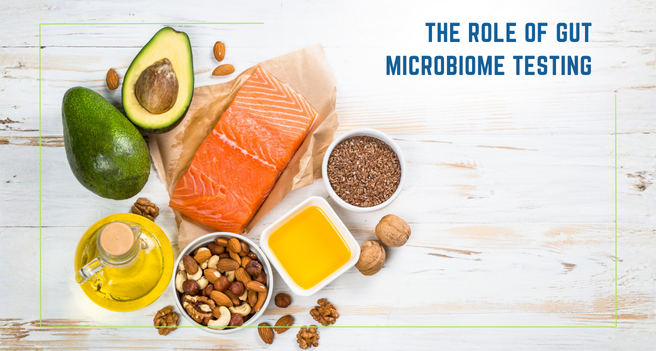
Understanding Gut Microbiome Tests
Limitations of Current Testing in Delhi
Bridging the Gap: Solutions and Recommendations

Dietary Recommendations That Work Locally
Lifestyle Modifications Beyond Diet
Seeking Professional Guidance
Conclusion
FAQs on Why People in Delhi Still Struggle With Gut Microbiome Test
1. What are common signs of gut microbiome issues?
2. How can I improve gut health while living in Delhi?
3. Are gut microbiome tests reliable?
4. What dietary changes truly support gut health?
5. What guidance is emerging for 2025–2026?
Why Choose L&B Clinics for Gut Microbiome Care
Book your personalised gut microbiome consultation at L&B Clinics today and take a structured, science-led step toward lasting gut health.