.png)
Oligo Scan Test Guide: In-Depth Resource & Practical Tools

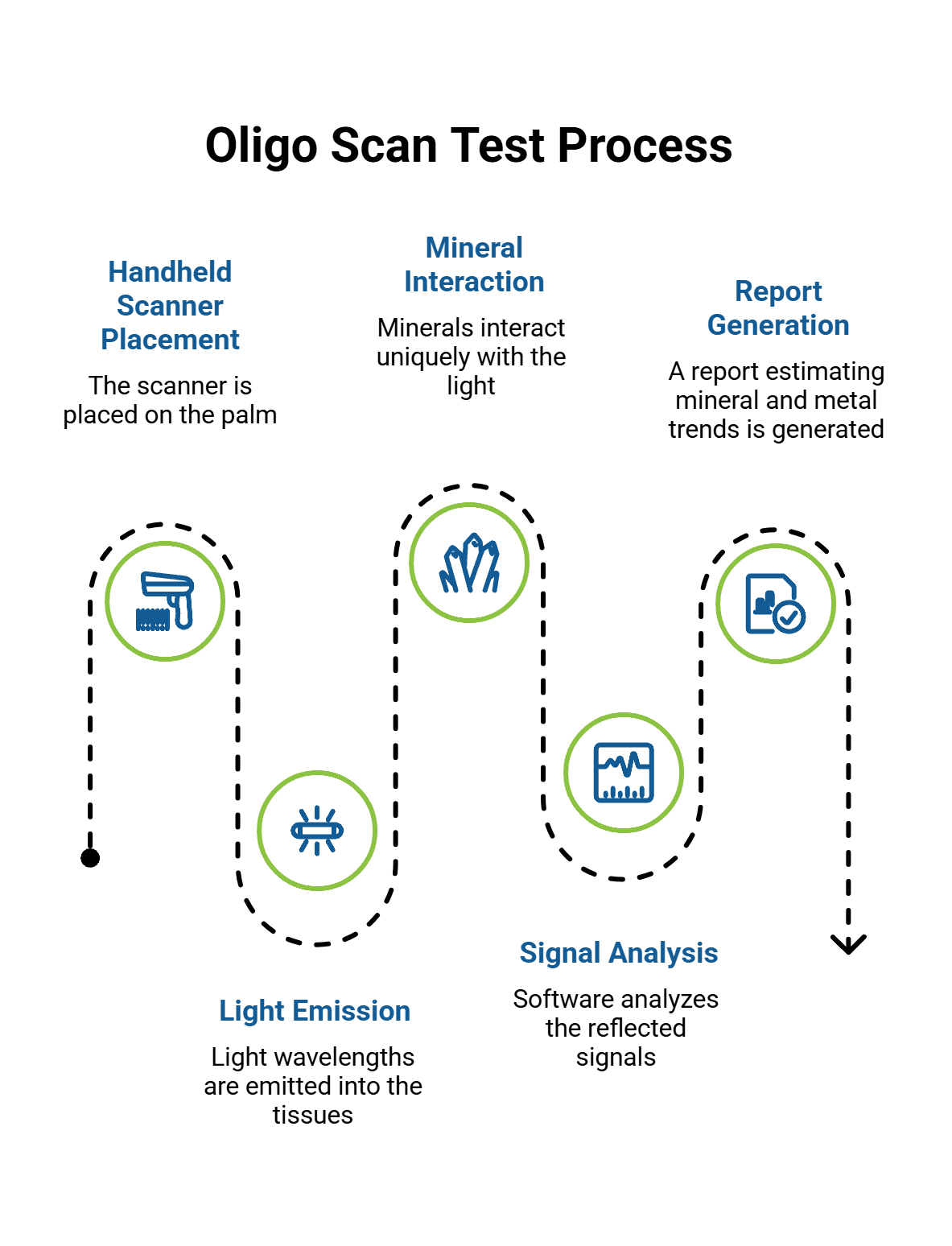
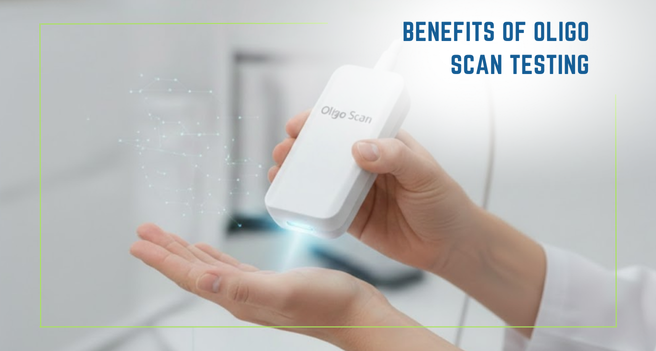
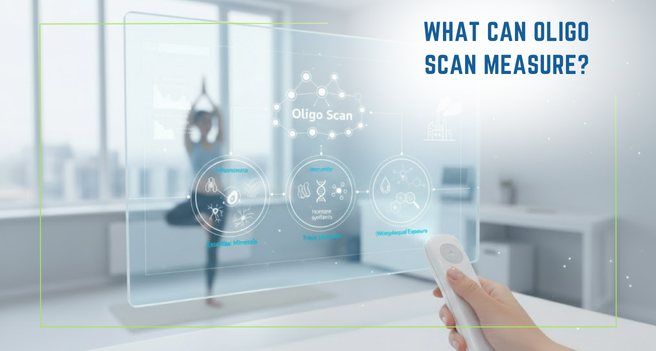
Modern health challenges rarely appear overnight. Long before a diagnosis is made, the body often shows subtle biochemical shifts—mineral depletion, impaired absorption, rising oxidative stress, or low-grade toxic exposure. These early changes are frequently missed by routine investigations, which is why interest in functional and preventive diagnostics has grown significantly. The Oligo Scan test is one such tool. It is designed to assess tissue-level minerals and potential heavy metal burden using non-invasive spectral technology. Rather than focusing only on what is circulating in the bloodstream at a single moment, Oligo Scan attempts to provide insight into longer-term cellular trends that influence energy, immunity, metabolism, neurological balance, and recovery. At Longevity & Beyond Clinics, Oligo Scan is used as an educational and supportive assessment, helping individuals and clinicians understand why symptoms may persist despite “normal” reports. This guide explains how the test works, what it can and cannot tell you, and how it fits into responsible, evidence-aligned healthcare. Oligo Scan is based on spectral analysis (spectrophotometry)—a principle widely used in laboratory science to identify substances based on how they absorb and reflect light. During the test, a handheld optical probe is placed on specific areas of the palm. These regions are chosen to reduce pigmentation interference and improve signal reliability. The procedure is painless, does not involve needles or radiation, and typically takes only a few minutes. The probe emits specific wavelengths of light into superficial tissues. Minerals and metals interact with light in element-specific ways, altering the reflected signal. These optical patterns are analysed using calibrated algorithms and compared with reference datasets to generate relative estimates of tissue mineral and metal status. Results are available immediately. Clinically, this allows same-visit discussion and education. Importantly, these results should be interpreted as trends or patterns, not as absolute concentrations or standalone diagnoses. Oligo Scan offers rapid insights without blood draws or lab wait times. This improves patient comfort and makes repeat monitoring feasible when clinically appropriate. Instead of generic supplementation or trial-and-error approaches, Oligo Scan helps identify individual patterns of imbalance. When correlated with symptoms, diet, lifestyle, and medical history, it supports targeted and rational correction strategies. Blood Tests are essential for diagnosis and disease monitoring. However, many minerals are tightly regulated in serum. The body may maintain normal blood values by drawing from tissue reserves, meaning early depletion can go undetected. Oligo Scan complements traditional testing by offering a functional perspective, particularly useful in preventive and integrative care. Oligo Scan provides a broad overview of elements that play critical roles in human physiology. These include magnesium, calcium, iron, potassium, and sodium—minerals involved in energy production, muscle contraction, nerve conduction, and metabolic regulation. Functional depletion may manifest as fatigue, cramps, weakness, or poor stress tolerance. Zinc, selenium, copper, chromium, and manganese are required in smaller amounts but are vital for immune function, antioxidant defence, hormone synthesis, and enzymatic reactions. Even mild imbalance can have disproportionate physiological effects. Oligo Scan also screens for trends suggestive of exposure to metals such as mercury, lead, aluminium, cadmium, and arsenic. These substances are relevant in urban environments due to pollution, water quality, food contamination, and occupational exposure. Elevated trends do not confirm toxicity, but may justify deeper clinical evaluation. Low tissue trends may reflect inadequate intake, poor absorption, increased demand (stress, illness, training), or excessive loss. High trends may indicate supplementation excess or altered metabolism. Interpretation requires understanding why imbalance exists, not just what is low or high. Results should always be reviewed alongside: Clinical symptoms Dietary patterns Gut health and absorption capacity Renal and liver function Blood biochemistry when indicated Best practice does not end with the report. It includes education, targeted nutrition or lifestyle strategies, and—where appropriate—confirmatory testing. Self-treatment based solely on Oligo Scan numbers is discouraged. People experiencing chronic fatigue, muscle pain, hair fall, poor immunity, mood changes, or poor response to supplements may benefit from tissue-level assessment. High training loads increase mineral demand and loss through sweat and stress hormones. Oligo Scan can help guide recovery, performance nutrition, and injury prevention strategies when used responsibly. For individuals focused on long-term health optimisation, Oligo Scan can provide insight into early imbalances before disease develops—when intervention is most effective. A scientifically sound discussion must acknowledge limitations. Readings can be influenced by skin hydration, topical products, pigmentation, device calibration, and operator technique. Environmental conditions also matter. This is why results should be viewed as supportive indicators, not definitive measures. Oligo Scan does not diagnose disease, deficiency, or toxicity. It cannot replace blood tests, imaging, or clinical examination. It is most valuable when integrated into a comprehensive medical assessment under professional guidance. Research into micronutrient physiology, oxidative stress, and environmental health continues to highlight the importance of early functional imbalance detection. Technological advances are expected to improve calibration, reporting clarity, and longitudinal trend tracking. Future guidelines are likely to emphasise standardised protocols, practitioner training, ethical use, and integration with validated diagnostics. The shift will be from isolated readings to pattern-based monitoring over time. The Oligo Scan test is best understood as a functional screening and educational tool, not a diagnostic endpoint. Its value lies in highlighting early mineral imbalance and possible toxic burden that may contribute to persistent symptoms or future disease risk. When used responsibly—alongside clinical evaluation, biochemical testing, and lifestyle assessment—Oligo Scan can enhance preventive care, reduce unnecessary supplementation, and improve patient understanding. The key is not the technology itself, but how it is interpreted and applied within an evidence-aligned framework. It is a non-invasive assessment that estimates tissue mineral trends and potential heavy metal exposure using spectrophotometric analysis. The scan itself takes only a few minutes, with results available immediately. Individuals with chronic symptoms, athletes, and those focused on preventive wellness may benefit when guided by a healthcare professional. No known risks. The test is painless and does not involve radiation or blood sampling. Greater emphasis on standardisation, interpretation frameworks, and integration with comprehensive health assessments. L&B Clinics follows an evidence-aligned, clinically responsible approach to diagnostics. Testing is never viewed in isolation; interpretation, education, and prevention remain central. The focus is on long-term wellness, not short-term fixes.Introduction to Oligo Scan
How Oligo Scan Works
Non-Invasive Testing Method
Spectral Analysis Explained
Real-Time Results
Benefits of Oligo Scan Testing
Quick and Patient-Friendly
Personalised Health Insights
Comparison with Traditional Testing
What Can Oligo Scan Measure?
Essential Minerals
Trace Elements
Heavy Metals and Toxins
Interpreting Oligo Scan Results
Understanding Mineral Balance
Identifying Deficiencies and Excesses
Next Steps After Testing
Who Should Consider Oligo Scan?

Individuals with Persistent Health Concerns
Athletes and Active Individuals
General Wellness and Preventive Care Seekers
Limitations of Oligo Scan
Potential Inaccuracies
Not a Substitute for Medical Evaluation
Future of Oligo Scan Testing
Emerging Trends and Technology
Anticipated Guidelines Beyond 2026
Conclusion
FAQs on Oligo Scan Test Guide
1. What is the Oligo Scan Test?
2. How long does the test take?
3. Who should consider getting an Oligo Scan?
4. Are there any risks?
5. What guidelines are expected by 2026 and beyond?
Why L&B Clinics?