.png)
Gut Microbiome Test Trends in India: Data, Studies & Key Numbers

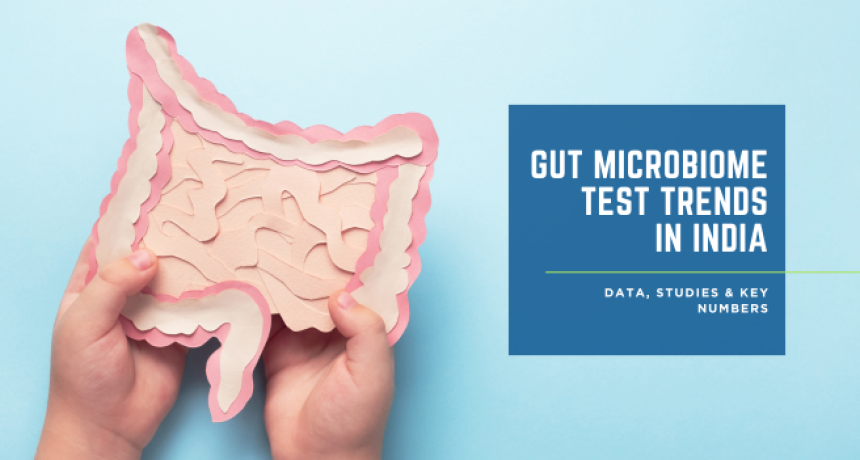
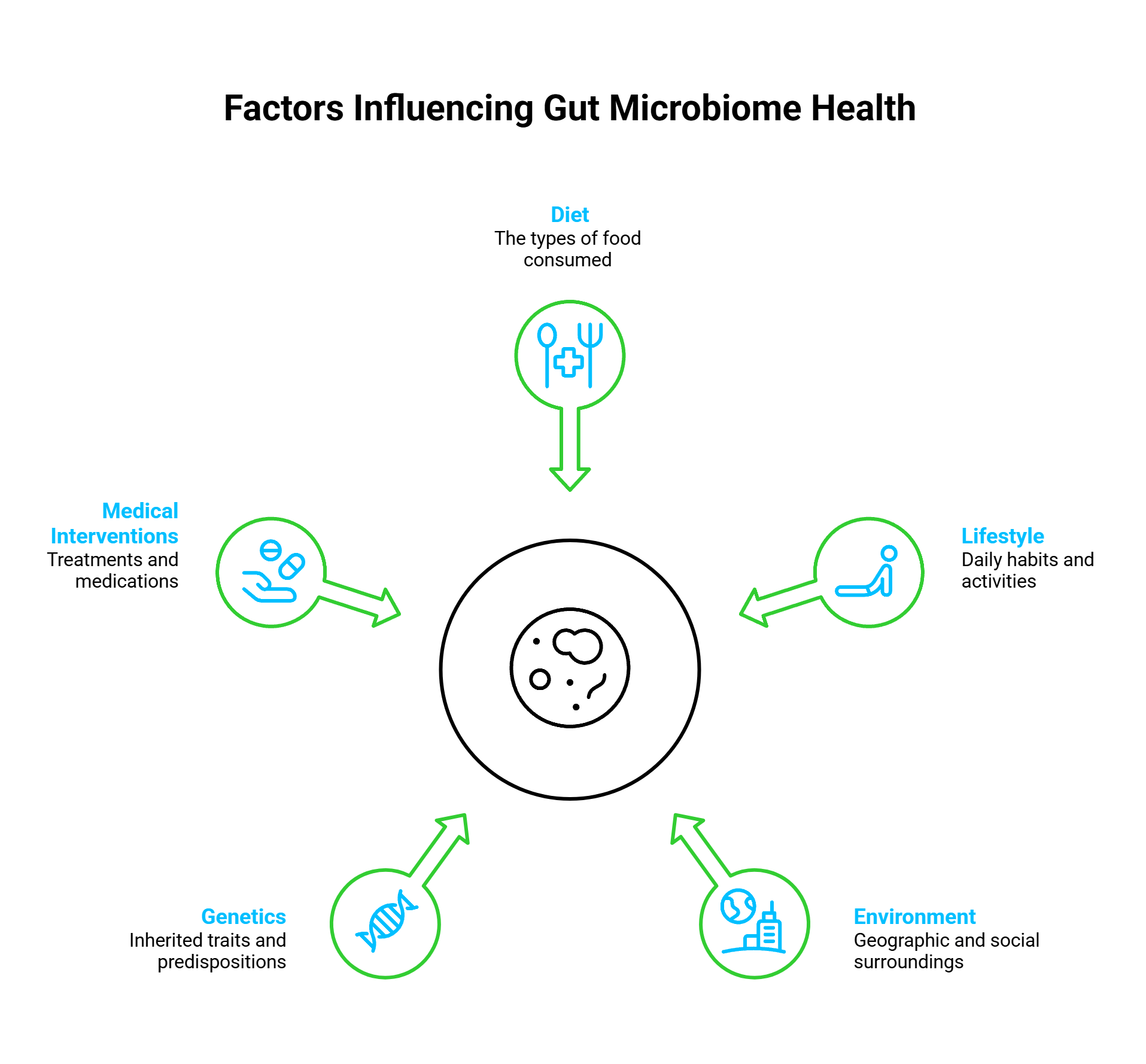
The gut microbiome refers to the trillions of microorganisms—primarily bacteria, but also viruses, fungi, and metabolites—that inhabit the human gastrointestinal tract. Over the last decade, scientific understanding of the microbiome has expanded dramatically, shifting it from a niche research topic to a central pillar of preventive and metabolic health. In India, this shift is particularly relevant. Rising rates of digestive disorders, metabolic diseases, autoimmunity, allergies, and unexplained nutrient deficiencies have highlighted the limitations of symptom-based and blood-only diagnostics. Gut microbiome testing has emerged as a way to understand why digestion, absorption, immunity, and inflammation behave differently across individuals, even when diets appear similar. By 2026, gut microbiome testing in India is transitioning from experimental research settings into clinical and preventive practice, especially in urban populations seeking personalised, data-backed health strategies. At Longevity & Beyond Clinics, microbiome testing is positioned as an interpretive tool—bridging population-level research with individual health decisions. Large-scale Indian microbiome studies consistently show that Indian gut profiles differ significantly from Western cohorts. Indian diets—traditionally high in plant fibre, fermented foods, and spices—have historically supported Prevotella-dominant microbiomes, associated with carbohydrate fermentation and short-chain fatty acid production. However, recent urban data indicates a shift toward reduced microbial diversity, with increased dominance of inflammatory or opportunistic species. This transition is strongly associated with: Westernised diets Reduced dietary fibre Frequent antibiotic exposure Chronic stress and irregular eating patterns Indian studies using metagenomic sequencing have linked microbiome imbalance (dysbiosis) with: Type 2 diabetes and insulin resistance IBS and functional gut disorders Micronutrient malabsorption Increased inflammatory markers Rural populations continue to show higher microbial diversity and resilience, while urban cohorts demonstrate lower diversity and higher inflammation-related markers. This contrast has become a key reference point for understanding disease risk in modern Indian lifestyles. The Indian human microbiome testing and therapeutics market is growing steadily, with an estimated compound annual growth rate (CAGR) of ~6.9% through the latter half of the decade. Growth is driven by both clinical demand and consumer awareness. Rising digestive and metabolic disorders Increased awareness of gut–brain and gut–immunity links Demand for personalised nutrition and wellness Limitations of one-size-fits-all supplementation India presents unique opportunities for microbiome research due to its dietary diversity, genetic heterogeneity, and rapid urbanisation. Localised reference databases and population-specific interpretation models are emerging as critical needs. India’s diversity—dietary, genetic, cultural—makes it difficult to apply Western microbiome benchmarks directly. A “healthy” microbiome in India does not always resemble a Western reference profile. Many existing studies are cross-sectional rather than longitudinal. This limits understanding of how microbiomes change over time with diet, stress, or intervention. Differences in sample collection, sequencing platforms, and interpretation algorithms create variability in results. By 2026, there is growing emphasis on standardised protocols and clinically interpretable outputs, especially for preventive use. Indian paediatric studies have demonstrated that malnutrition is not only a problem of food intake, but of microbial immaturity. Children with stunted growth often show delayed microbiome development, impairing nutrient absorption even when calories are provided. Advanced metagenomic approaches reveal not just which bacteria are present, but what they are doing. Indian data shows that reduced butyrate-producing bacteria correlates with: Poor gut barrier integrity Increased inflammation Reduced mineral and vitamin absorption These findings suggest that addressing gut health may be as important as dietary supplementation in tackling: Anaemia Vitamin B deficiencies Metabolic syndrome This has major implications for preventive health strategies in India.if By 2026, microbiome testing is increasingly moving beyond simple bacterial lists toward functional profiling, including metabolic pathways, inflammation markers, and gut permeability indicators. Gut microbiome data is now being integrated into: Personalised nutrition plans Metabolic health programmes Weight management strategies Longevity and healthy aging protocols Experts anticipate that gut microbiome testing will become a foundational layer of preventive diagnostics, especially in individuals with chronic symptoms unexplained by routine tests. The focus will shift from “what to eat” to “what your gut can actually process.” It is a stool-based analysis that evaluates gut bacteria composition, diversity, and functional markers related to digestion, absorption, and inflammation. It helps explain digestive symptoms, poor supplement response, recurrent deficiencies, and metabolic resistance by assessing absorption capacity and microbial balance. Yes. Clinically used tests support targeted dietary and lifestyle strategies rather than generic advice. By 2025–2026, emphasis is on standardised testing protocols, professional interpretation, and integration with clinical evaluation. Preparation typically includes avoiding antibiotics, probiotics, or drastic diet changes before sample collection, as advised by the clinic.Introduction to Gut Microbiome Testing
Current Landscape of Gut Microbiome Research in India

Dominant Bacterial Patterns in Indian Populations
Key Research Findings
Urban vs Rural Differences
Growth of the Human Microbiome Market in India
Market Trends and Projections
Factors Driving Growth
Opportunities for Innovation
Challenges in Gut Microbiome Studies in India
Population Complexity
Research Limitations
Need for Standardisation
Key Studies and Findings
Gut Microbiome & Malnutrition
Metagenomics & Functional Insights
Public Health Implications
The Future of Gut Microbiome Testing in India
Emerging Technologies
Personalised Health Applications
Predictions for the Next Decade
FAQs About Gut Microbiome Testing
1. What is a gut microbiome test?
2. How can gut microbiome testing benefit me?
3. Are dietary recommendations personalised based on results?
4. What are the current guidelines in India?
5. How should I prepare for a test?
Why L&B Clinics
L&B Clinics combines evidence-based gut microbiome testing with clinical interpretation, not standalone reports. The focus is on education, absorption-first strategies, and personalised preventive care—bridging research insights with real-world application.