.png)
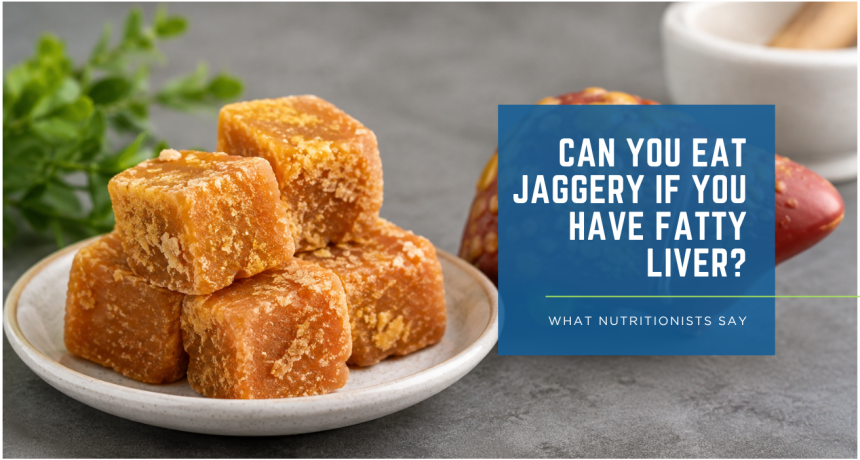
Can You Eat Jaggery If You Have Fatty Liver? What Nutritionists Say

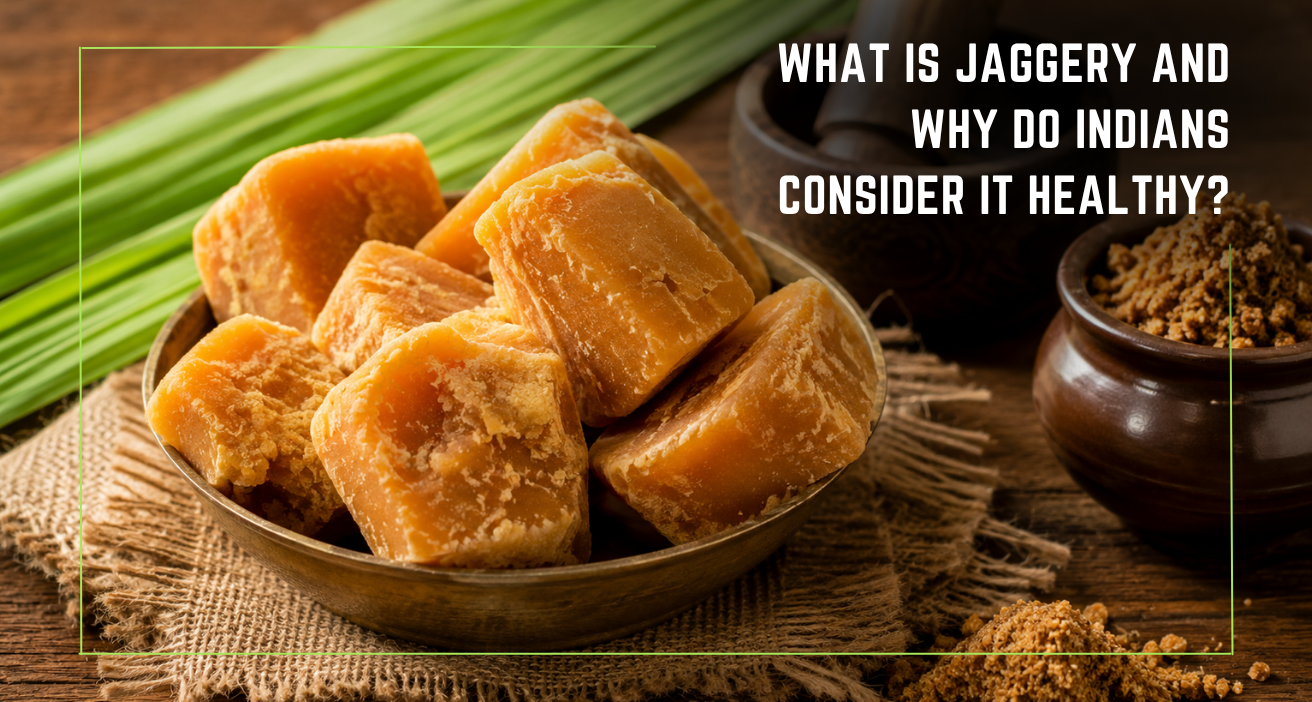
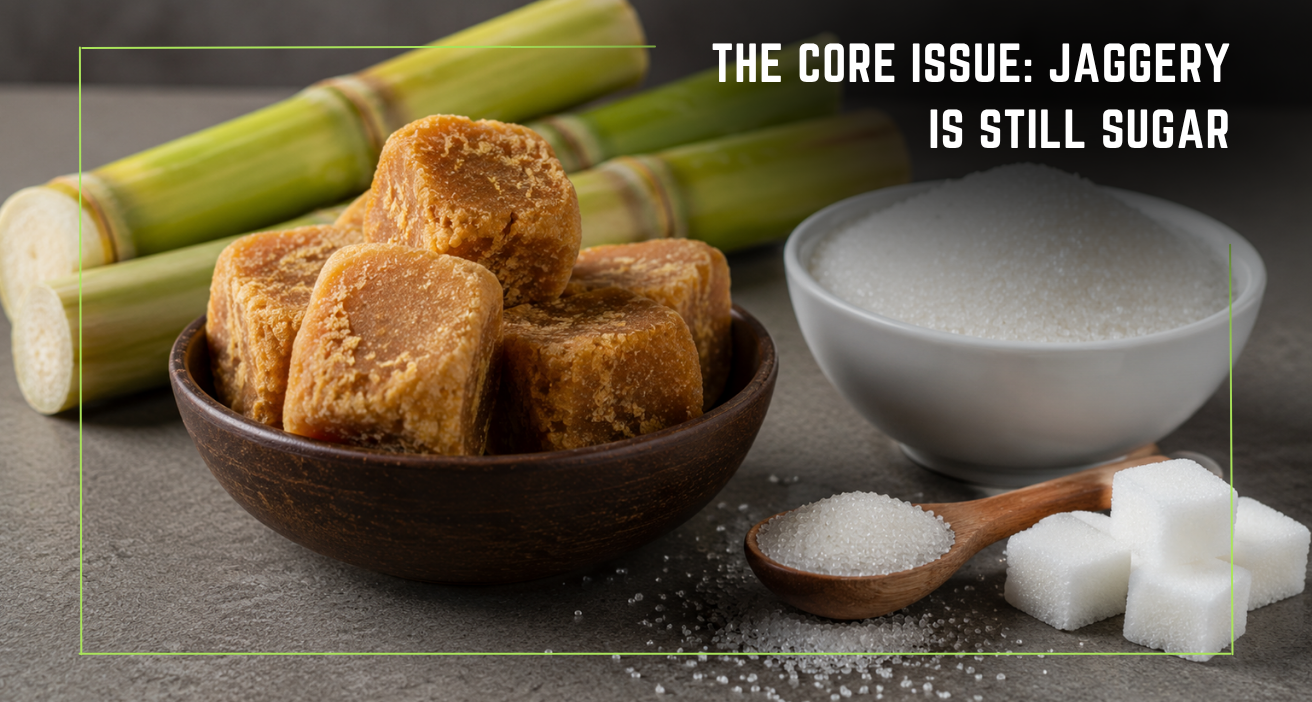
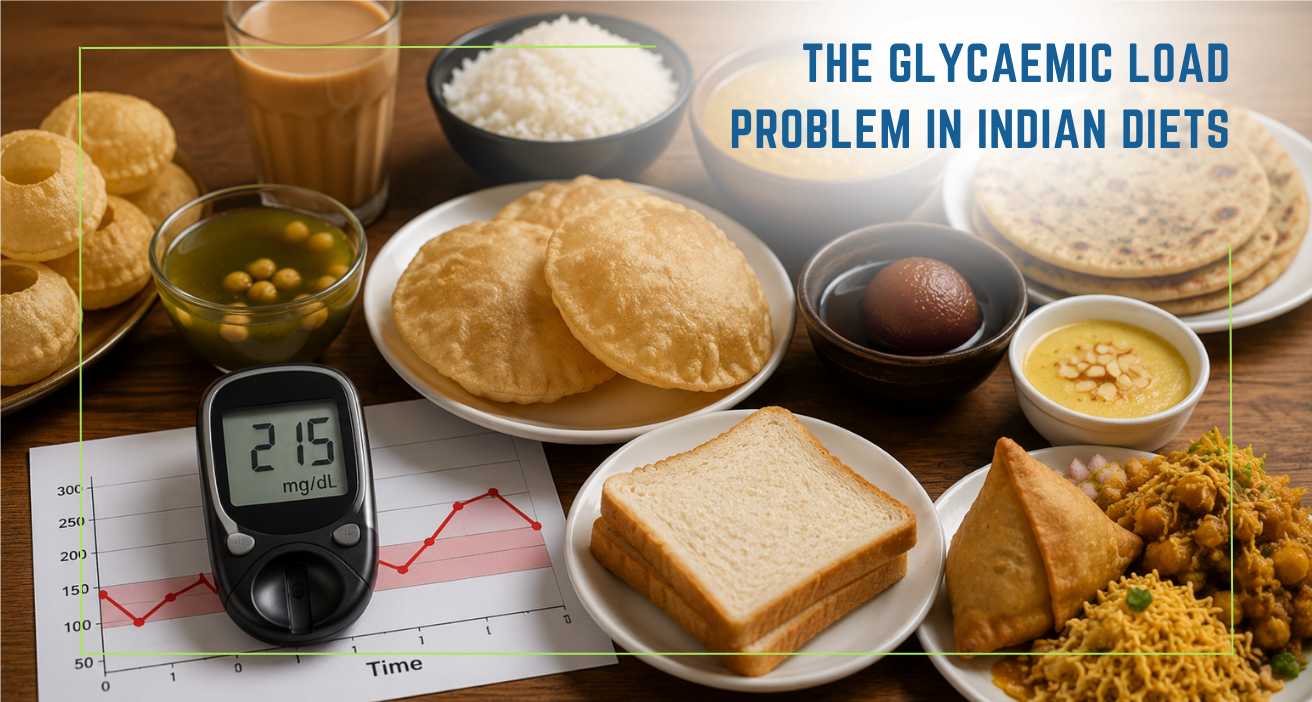
Walk into any Indian household and you'll find jaggery sitting proudly on the kitchen shelf — a golden block of unrefined cane sugar that generations have trusted as the "healthy" alternative to white sugar. Mothers add it to dal. Grandmothers swear by it after meals for digestion. It shows up in ladoos, kheer, pongal, and chai. And because it's natural, minimally processed, and rich in minerals compared to refined sugar, most people assume it's safe — even beneficial — for health conditions like fatty liver. But here's the question that more and more patients at functional medicine clinics are asking: can we eat jaggery in fatty liver? And what do nutritionists actually say when the science is laid on the table? The answer is more nuanced than a simple yes or no — and understanding it could make a real difference in whether your fatty liver improves or quietly worsens over time. Jaggery, known as gur in Hindi, is made by boiling and concentrating raw sugarcane juice or sometimes palm sap. Unlike white sugar, which is heavily refined and stripped of all nutrients, jaggery retains small amounts of iron, magnesium, potassium, and phosphorus. It also contains trace amounts of B vitamins and some plant-based antioxidants from the molasses content. This mineral retention is the primary reason jaggery has earned a health halo in Indian culture. It is traditionally recommended for anaemia (due to its iron content), digestion (it's said to stimulate digestive enzymes), respiratory health, and as a post-meal cleanser. Ayurveda has long endorsed jaggery as a superior sweetener, and this cultural endorsement has carried into modern-day health conversations. The problem is that while jaggery is nutritionally superior to white sugar, the comparison being made is between two types of sugar — and for someone with fatty liver disease, that distinction matters enormously. The Core Issue: Jaggery Is Still Sugar This is the part that most people miss. Jaggery is approximately 65–85% sucrose, with the remainder being glucose, fructose, and moisture. Yes, it has more nutrients than white sugar. Yes, it is less processed. But at its biochemical core, jaggery is sugar — and your liver processes it the same way it processes white sugar or refined cane syrup. When you consume sucrose — whether from jaggery, white sugar, honey, or coconut sugar — your digestive system breaks it down into equal parts glucose and fructose. Glucose enters the bloodstream and triggers an insulin response. Fructose, however, bypasses that insulin pathway entirely and goes directly to the liver for processing. This is the critical point for fatty liver patients. The liver is the only organ that can metabolise fructose in significant quantities. When the liver receives more fructose than it can immediately use for energy, it converts the excess into fat through a process called de novo lipogenesis — literally, the creation of new fat. This newly synthesised fat accumulates in liver cells, contributing directly to the progression of Non-Alcoholic Fatty Liver Disease (NAFLD). So when someone with fatty liver consumes jaggery — even in modest quantities, even in "natural" form — the liver receives a fructose load it must deal with. The extra minerals in jaggery do not neutralise this effect. The unrefined nature of jaggery does not reduce its fructose content. The tradition of eating it after meals does not change its metabolic pathway. What Nutritionists and Functional Medicine Practitioners Actually Say About Jaggery and Fatty Liver Nutritionists who specialise in metabolic health and liver conditions are largely aligned on this topic, even if general wellness advice hasn't caught up yet. The consensus among evidence-based practitioners is clear: jaggery should be significantly restricted — and in many cases avoided entirely — in patients with fatty liver disease. The reasoning goes beyond just fructose metabolism. Patients with NAFLD almost universally have some degree of insulin resistance. This means their cells are less responsive to insulin, so the body must produce more of it to manage blood sugar. Every time a person with insulin resistance consumes sugar — including jaggery — they trigger an exaggerated insulin response. Chronically elevated insulin levels directly stimulate fat synthesis in the liver and inhibit fat breakdown. It's a double blow: more fat being created, less fat being burned. Functional medicine practitioners add another layer to this conversation. They point out that fatty liver does not develop in isolation — it is almost always part of a broader metabolic syndrome picture involving visceral adiposity, dysglycaemia, gut dysbiosis, and systemic inflammation. Sugar, in all its forms, feeds each of these underlying drivers. Jaggery, despite its micronutrient content, does nothing to address and everything to worsen this metabolic environment. Nutritionists also flag the practical danger of the health halo effect. Because jaggery is widely perceived as healthy, people tend to consume it in larger quantities than they would white sugar. A person who might add one teaspoon of white sugar to their tea will comfortably add a larger piece of jaggery, believing it to be harmless. A dessert made with jaggery is often eaten without the same restraint applied to a sugar-based dessert. This overconsumption effect means that jaggery can, paradoxically, deliver a higher total sugar load than white sugar would in the same dietary context. But Doesn't Jaggery Have a Lower Glycaemic Index Than Sugar? This is a common point raised in defence of jaggery — and it deserves a direct, honest response. Jaggery does have a slightly lower glycaemic index (GI) than white sugar, roughly 84 compared to white sugar's GI of around 65 (by some estimates), though values vary across sources and preparation methods. However, for fatty liver patients, the glycaemic index argument is insufficient for two reasons. First, the difference in GI between jaggery and refined sugar is not large enough to be clinically meaningful when the core problem is fructose-driven hepatic lipogenesis. The fructose content of jaggery is virtually identical to that of refined sugar, and it is fructose metabolism — not the glycaemic response — that most directly drives fat accumulation in the liver. Second, and more importantly, fatty liver management requires looking beyond GI to total sugar load, fructose fraction, and insulin response — a more comprehensive metabolic picture that jaggery does not fare well in, regardless of its modest GI advantage. The Glycaemic Load Problem in Indian Diets It's worth zooming out here to understand the broader dietary pattern that makes jaggery a particularly significant issue for Indian patients with fatty liver. The typical Indian diet already carries a heavy carbohydrate load — white rice, wheat rotis, refined snacks, sweetened beverages, and fruit in large quantities. When jaggery is added on top of this existing glycaemic burden, it compounds a liver that is already struggling. At L&B Clinics, we frequently see patients who have made genuine efforts to "eat healthy" — they've switched to jaggery, they use honey in their tea, they eat seasonal fruits freely — but their liver enzymes remain elevated and their ultrasound shows no improvement. When we do a detailed dietary analysis, the pattern is consistent: the total daily fructose and sugar load, despite coming from "natural" sources, is far too high for a liver dealing with metabolic dysfunction. This is the fundamental insight that separates functional and integrative medicine from conventional dietary advice: the source of sugar matters less than the total sugar burden when your liver is already impaired. Can You Ever Eat Jaggery with Fatty Liver? Is There a Safe Amount? This is where nuance matters. For patients in early-stage fatty liver (Grade 1 NAFLD) who are otherwise following a strong low-GI, high-fibre, anti-inflammatory dietary protocol, an occasional, small amount of jaggery — used as a flavouring rather than a sweetener — is unlikely to derail progress. A pinch in a dal tadka or a small piece at the end of a festival meal is not the same as a daily ladoo or jaggery chai. However, for patients with Grade 2 or Grade 3 fatty liver, elevated liver enzymes (ALT, AST, GGT), significant insulin resistance, or those who have not yet seen meaningful improvement on their liver health journey, jaggery should be treated with the same caution as refined sugar. This means strictly limiting or eliminating it until the liver has had sufficient time to heal and metabolic markers have normalised. The key principle nutritionists emphasise is this: jaggery is not a therapeutic food for fatty liver. It is, at best, a marginally less harmful sweetener. If you are eating it because you believe it is actively helping your liver, you are operating on a health myth. If you are eating it occasionally because it is culturally embedded in a meal you love, that is a different conversation — one about portion, frequency, and overall dietary context. What Should You Use Instead of Jaggery if You Have Fatty Liver? The goal is to reduce overall sweetness dependence while using the least metabolically disruptive options when sweetness is unavoidable. Here are the alternatives nutritionists recommend for patients with jaggery and fatty liver concerns. Stevia is a plant-derived, zero-calorie sweetener with no impact on blood sugar or hepatic fat metabolism. It is the most liver-neutral option available and works well in chai, porridge, and some desserts. Cinnamon is not a sweetener per se, but it creates a perception of sweetness while actively improving insulin sensitivity — a double benefit for fatty liver patients. Adding cinnamon to ragi porridge or oatmeal can reduce the need for added sweetener significantly. Date paste in very small quantities offers a lower-fructose, higher-fibre alternative to jaggery in cooking, though it still needs to be used sparingly. Coconut sugar, while often promoted as a low-GI alternative, has a similar fructose profile to jaggery and offers no meaningful advantage for fatty liver — don't be misled by its marketing. Raw, unheated honey shares the same limitations as jaggery for the same biochemical reasons and should be similarly restricted. The most powerful strategy, however, is not finding a better sweetener — it is systematically reducing sweet dependence across the diet. When the palate adjusts to lower sweetness levels, which typically takes 3–4 weeks, cravings diminish, energy stabilises, and the liver gets the sustained relief it needs to reverse fatty infiltration. Signs That Your Sweet Intake May Be Affecting Your Liver Many patients don't connect their dietary sugar habits to their liver health because fatty liver is typically silent in its early stages. There are no dramatic symptoms. But there are subtle signs worth paying attention to. Persistent fatigue after meals, a feeling of heaviness or bloating in the upper right abdomen, mild nausea in the morning, elevated triglycerides on a blood test, or an ALT level that keeps creeping upward despite other healthy habits — these are all potential signals that hepatic fat metabolism is being overwhelmed by dietary sugar load, including jaggery. If you've been using jaggery liberally under the assumption that it is safe for your liver, and you are experiencing any of these signs, it is worth having a detailed metabolic assessment done — not just a standard blood test, but a functional evaluation that looks at insulin resistance markers, fasting insulin, HOMA-IR, liver enzymes, and inflammatory markers together. The L&B Clinics Perspective: Integrative Medicine and the Fatty Liver Epidemic At L&B Clinics, we approach fatty liver as what it truly is — a metabolic disease, not simply a dietary inconvenience. Our patients come to us frustrated after years of being told to "eat less oil" and "exercise more" without any meaningful improvement in their liver health. The missing piece is almost always a deeper understanding of how sugar — in all its culturally endorsed, seemingly innocent forms — is driving their condition forward. Jaggery and fatty liver is one of those conversations we have regularly, and it is one of the most important ones. Dismantling the health halo around jaggery is not about dismissing Indian food culture or traditional wisdom — it is about applying current metabolic science to conditions that traditional medicine was not designed to address. Fatty liver as a widespread metabolic epidemic is a modern phenomenon, driven by modern dietary patterns. Addressing it requires modern, evidence-based thinking — even when that thinking challenges long-held beliefs. Our functional medicine protocols for fatty liver involve personalised dietary modification, targeted supplementation to support liver detoxification and mitochondrial function, gut microbiome assessment and repair, and structured lifestyle intervention. The outcome, for patients who commit to the process, is not just improved liver enzymes on a report — it is a fundamental restoration of metabolic health. Conclusion So, can we eat jaggery in fatty liver? The honest, nutritionist-backed answer is: not freely, not daily, and never under the assumption that it is safe simply because it is natural. Jaggery is a less refined form of sugar, not a liver-friendly food. Its fructose content drives the same hepatic fat accumulation as white sugar, its health halo leads to overconsumption, and its micronutrient content does not offset its metabolic impact in a liver that is already under strain. The path to reversing fatty liver runs through a dramatically reduced total sugar load — regardless of whether that sugar comes from a white crystalline bowl or a rustic golden block of gur. If your goal is a healthier liver, jaggery deserves the same respectful caution you would give to any other form of concentrated sugar. Struggling with fatty liver and unsure what to eat? Book a personalised consultation at L&B Clinics and let our functional medicine team build a dietary and metabolic protocol designed specifically for your liver health journey. Frequently Asked Questions (FAQs) 1. Is jaggery good for fatty liver?
Introduction
What Is Jaggery and Why Do Indians Consider It Healthy?