.png)
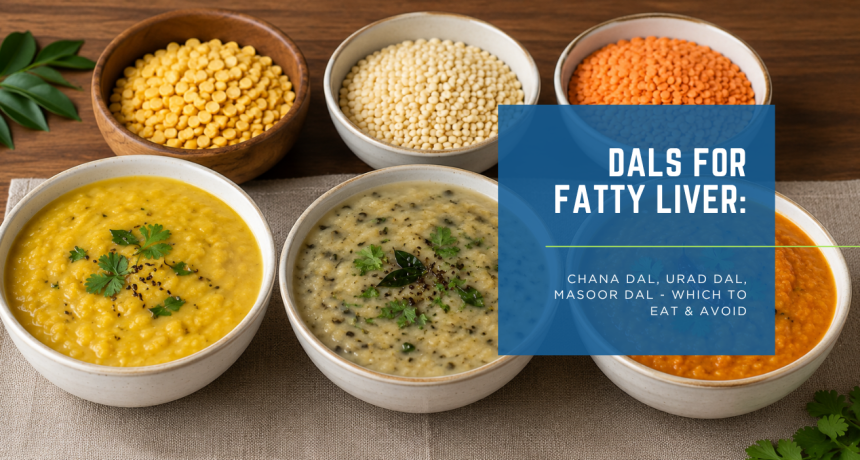
Dals for Fatty Liver: Chana Dal, Urad Dal, Masoor Dal — Which to Eat & Avoid
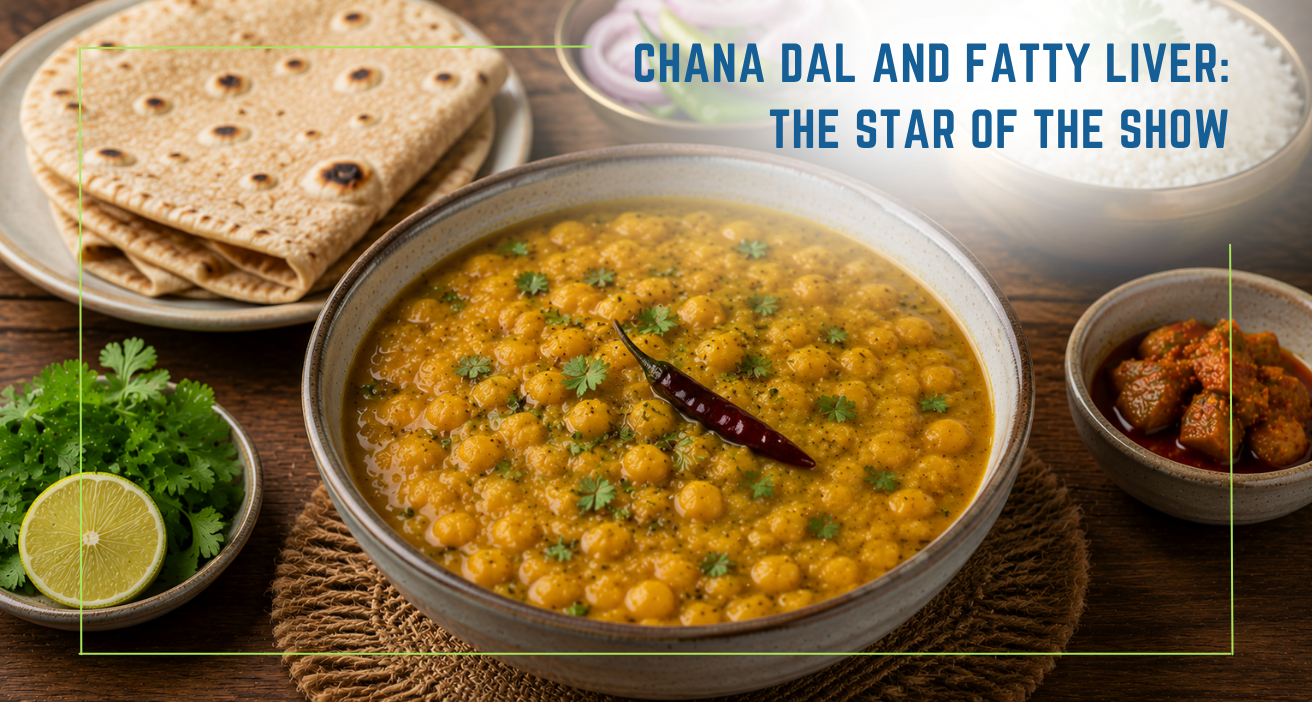
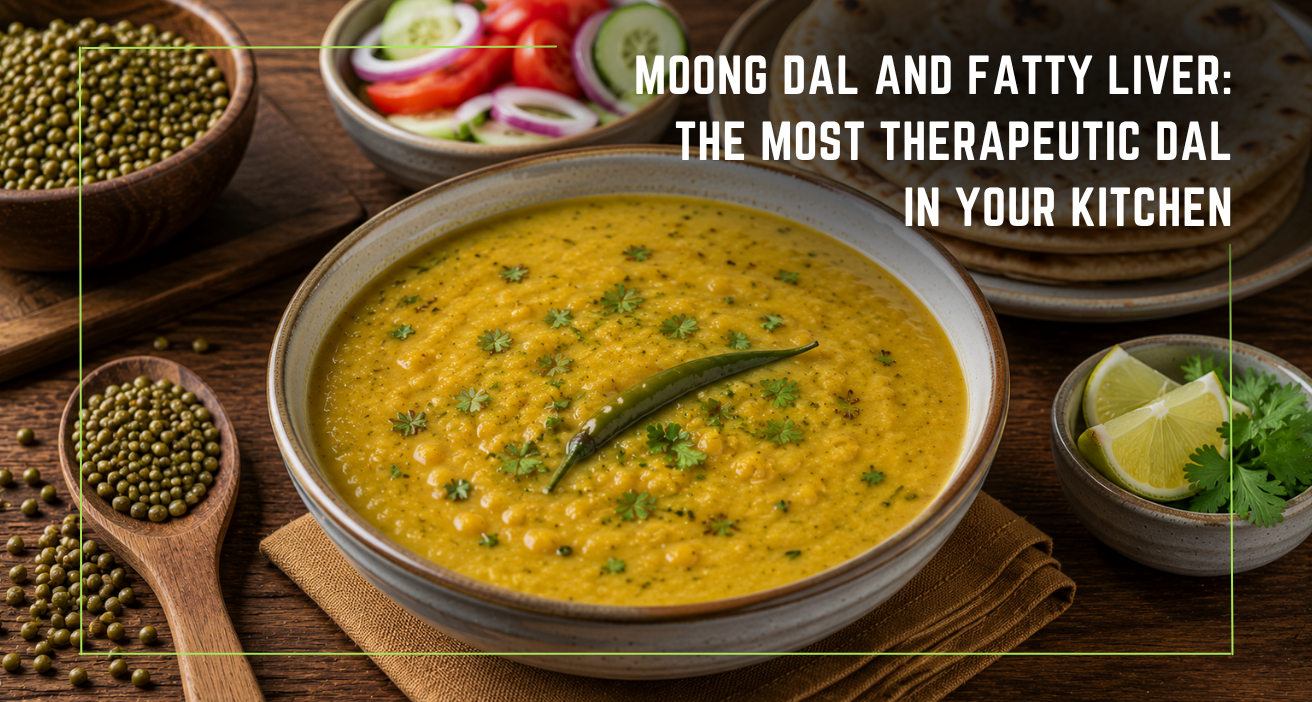
You Eat Dal Every Day. But Is It Actually Helping Your Fatty Liver? Most fatty liver patients do everything right — they cut fried food, reduce white rice, stop eating sweets. But dal? Dal stays on the plate untouched and unquestioned. Because surely dal is always good for you. It's protein. It's home food. What could possibly go wrong? Here's the truth: most dals are genuinely excellent for fatty liver. But not all of them. Not in every preparation. And not in every quantity. Some dals can actively accelerate your liver recovery. Others, eaten the wrong way or too often, quietly work against the metabolic healing you're trying to achieve. If you have fatty liver — Grade 1, 2, or 3 — and you eat dal daily (as most Indians do), this is one of the most practically useful things you'll read. Let's break it down. Why Are Dals Good for Fatty Liver? The Science Explained Fatty liver (NAFLD) develops when the liver is forced to store excess fat it cannot process — driven primarily by insulin resistance and chronic inflammation. Dals address both, directly. Here's what makes lentils so liver-protective: Plant protein — provides raw materials for liver cell repair and supports glutathione, the liver's master antioxidant Soluble fibre — slows glucose absorption, blunts post-meal insulin spikes, and feeds beneficial gut bacteria Insoluble fibre — supports gut motility and reduces toxic load reaching the liver Low glycaemic index — prevents the blood sugar surges that signal the liver to produce and store fat Resistant starch — acts as a prebiotic, directly strengthening the gut-liver axis Folate & B vitamins — essential for hepatic methylation, the liver's fat-clearing process Magnesium & zinc — support insulin signalling, chronically depleted in metabolic syndrome The gut-liver connection is especially important. A healthier gut microbiome means less inflammatory signalling reaching the liver — and dals, through their fibre and resistant starch, are among the most powerful gut-supportive foods in the Indian diet. Chana Dal and Fatty Liver: The Star of the Show Of all the dals in your kitchen, chana dal (split Bengal gram) is the single best choice for fatty liver — and the evidence behind it is genuinely impressive. Why chana dal stands out: To put the GI of 11 in context — white rice is 72, white bread is above 70. Chana dal causes one of the smallest blood sugar rises of any carbohydrate-containing food. For a fatty liver patient with insulin resistance, this is precisely what the liver needs. The resistant starch in chana dal travels undigested to the colon, where it feeds Lactobacillus and Bifidobacterium. This strengthens the gut lining, reduces intestinal permeability (leaky gut), and significantly lowers the inflammatory load reaching the liver — a key pathway in NAFLD progression. Best ways to eat chana dal for fatty liver: Simply cooked with cumin, garlic, and turmeric Small tadka of cold-pressed mustard or coconut oil Paired with ragi or jowar roti and a vegetable sabzi Avoid: heavy ghee, cream, or large portions of white rice L&B Clinics Note: Chana dal is one of the first foods we recommend increasing when beginning a fatty liver reversal protocol. The combination of ultra-low GI, resistant starch, and fibre creates a metabolic environment that actively supports hepatic fat reduction. Masoor Dal and Fatty Liver: The Underrated Everyday Powerhouse Masoor dal — the red lentil that cooks in under 15 minutes — deserves far more credit in fatty liver conversations than it typically gets. Why masoor dal is excellent for fatty liver: Richest folate source among commonly eaten Indian dals — directly supports hepatic methylation (the liver's fat-clearing process) High in polyphenols — powerful antioxidants that combat oxidative stress in liver tissue, slowing NAFLD progression GI of approximately 25–30 — low enough to keep insulin response modest Iron and B vitamins — address the fatigue that frequently accompanies fatty liver Anti-inflammatory compounds — reduce the liver inflammation that converts simple fatty liver into NASH Fatty liver patients consistently show lower-than-normal folate levels. Masoor dal's folate content is genuinely corrective — not just incidentally beneficial. Best ways to eat masoor dal: Cooked with tomatoes, onion, and turmeric as an everyday dal Add a handful of spinach in the final minutes for extra iron and antioxidants Pair with bajra or jowar roti rather than large portions of white rice Moong Dal and Fatty Liver: The Most Therapeutic Dal in Your Kitchen Ask any functional medicine doctor or clinical nutritionist which single dal they'd recommend for liver disease — the answer is almost always moong. What makes moong dal uniquely powerful: Most digestible of all lentils — places the least burden on the liver and gut Very low GI — keeps blood sugar stable for hours after eating Rich in zinc and magnesium — directly support insulin signalling, frequently depleted in metabolic syndrome Complete nutrition — protein, fibre, B vitamins, and antioxidants in one food Split yellow moong dal (husked) is the gentlest option — ideal for early-stage NAFLD or periods of elevated liver enzymes. Whole green moong retains the husk and offers significantly more fibre and resistant starch — better for patients further into their recovery. Moong dal khichdi — cooked simply with small amounts of rice, turmeric, cumin, and seasonal vegetables — is arguably the single most liver-supportive meal in Indian cuisine. It delivers complete protein, low-GI carbohydrates, powerful anti-inflammatory spicing, and a fibre matrix that keeps blood sugar flat for hours. If you make one dietary change for your fatty liver starting today, making moong dal a near-daily staple is one of the highest-impact decisions you can make. Is Urad Dal Good for Fatty Liver? Here's the Honest Answer Urad dal — black gram — is nutritionally rich, deeply embedded in Indian cooking, and the base for idli, dosa, dal makhani, and medu vada. It has good protein, calcium, iron, and B vitamins. And yet it's the one dal that warrants genuine caution for fatty liver patients — for a reason most dietary advice completely ignores. The uric acid problem: Urad dal is significantly higher in purines than almost any other commonly eaten Indian lentil. Purines break down into uric acid, and elevated uric acid: Interferes directly with insulin signalling in liver cells Promotes inflammatory pathways that accelerate NAFLD progression Is present in the blood work of a striking proportion of fatty liver patients at L&B Clinics This link between hyperuricaemia (high uric acid) and fatty liver is well-established in metabolic research — yet it's rarely discussed in standard dietary guidance. Urad dal preparations ranked for fatty liver: Practical guidance: Enjoy urad dal through fermented preparations. Have it occasionally as a simple home-cooked dal. Avoid dal makhani as a regular feature. If your blood work shows elevated uric acid, limit further — discuss with your practitioner. Toor Dal, Rajma & Chole: Quick Verdict Note on restaurant versions: Rajma and chole from restaurants are often loaded with refined oil, excess salt, and cream. Home-made is the difference between a liver-healing meal and a metabolically challenging one. The Preparation Problem: Same Dal, Very Different Outcomes Here's what almost never comes up in standard dietary advice — how you cook dal matters as much as which dal you choose. A simply prepared chana dal with turmeric and cumin is a therapeutic meal. The same chana dal slow-cooked with large quantities of ghee, finished with cream, and eaten with three cups of white rice is a very different metabolic event for your liver. Preparation principles that maximise every dal's liver-protective potential: Soak for 6–8 hours before cooking — reduces phytic acid, improves mineral absorption, lowers purine content (especially important for urad dal), and improves digestibility Always cook with turmeric — curcumin's anti-inflammatory effect on liver tissue is one of the most documented nutritional interventions in NAFLD research. Half a teaspoon per preparation, every time Keep tadka oil minimal — one small teaspoon of cold-pressed mustard or coconut oil is sufficient Add vegetables directly to the dal — spinach, bottle gourd, tomatoes, drumstick all increase fibre and antioxidant density while further reducing glycaemic impact Pair thoughtfully — dal with ragi, jowar, or bajra roti is far better than the same dal with two cups of white rice. If eating white rice, keep it to a small bowl and let dal and vegetables dominate the plate A Practical Weekly Dal Rotation for Fatty Liver Eating the same dal every day is a missed opportunity. Different lentils offer different combinations of resistant starch, folate, polyphenols, and protein. Rotating them gives your liver — and gut microbiome — the full spectrum of benefits. Urad dal can appear occasionally through idli or dosa, or as an infrequent standalone if your uric acid is within normal range. What We See at L&B Clinics: When Dal Alone Isn't Enough Dal is one of the most powerful tools in the fatty liver reversal toolkit. But at L&B Clinics, we also know that food alone rarely tells the whole story. We regularly see patients eating beautifully — rotating their dals, cutting sugar, reducing refined carbs — and yet their liver enzymes remain elevated and their ultrasound shows no improvement. When we investigate, the reasons become clear: Gut microbiome is severely disrupted — fibre isn't translating into reduced liver inflammation Uric acid is elevated and urad dal has been a daily feature for years Insulin resistance is severe enough that diet alone cannot shift the metabolic needle without targeted support Sleep deprivation or chronic stress is driving cortisol-mediated liver fat accumulation Unaddressed thyroid dysfunction is slowing overall metabolic rate This is why our approach goes beyond prescribing a food list. We conduct comprehensive functional testing: Liver enzymes (ALT, AST, GGT) Fasting insulin and HOMA-IR (insulin resistance index) Uric acid Gut microbiome assessment Inflammatory markers (hsCRP, IL-6) Thyroid panel From there, we build a personalised protocol combining dietary modification, targeted supplementation, gut restoration, structured lifestyle intervention, and stress management — because fatty liver is a metabolic condition, not just a dietary one. Quick Reference: All Dals Ranked for Fatty Liver Conclusion The dals good for fatty liver are already in your kitchen. The work is in knowing which ones to prioritise, how to prepare them, and how they fit into a broader diet that gives your liver the sustained metabolic relief it needs to heal. To summarise: Eat freely: Moong, chana, masoor — these are your fatty liver powerhouses Eat regularly: Toor, rajma, chole — solid choices in home-cooked form Eat with caution: Urad dal — fermented preparations only, limit if uric acid is elevated Always: Soak before cooking, add turmeric, pair with low-GI grains, keep oil minimal The dals were always good for you. Now you know exactly how to make them extraordinary. 1. Which dals are good or bad for fatty liver? Most whole dals such as moong, masoor, and toor are good for fatty liver because they are high in plant protein and fiber and help stabilize blood sugar, while heavily fried or cream-based dal preparations should be limited since excess fat intake can worsen liver fat accumulation. For a broader view of fatty liver friendly Indian foods beyond dals, see Indian foods good for fatty liver.
2. Is black chana good for fatty liver?
Black chana is a good option for fatty liver due to its high fiber and protein content, which supports satiety and healthy blood sugar levels, both of which are important factors in managing and improving fatty liver disease over time. For a personalized fatty liver care plan, see L&B Clinics' Fatty Liver Care Program. 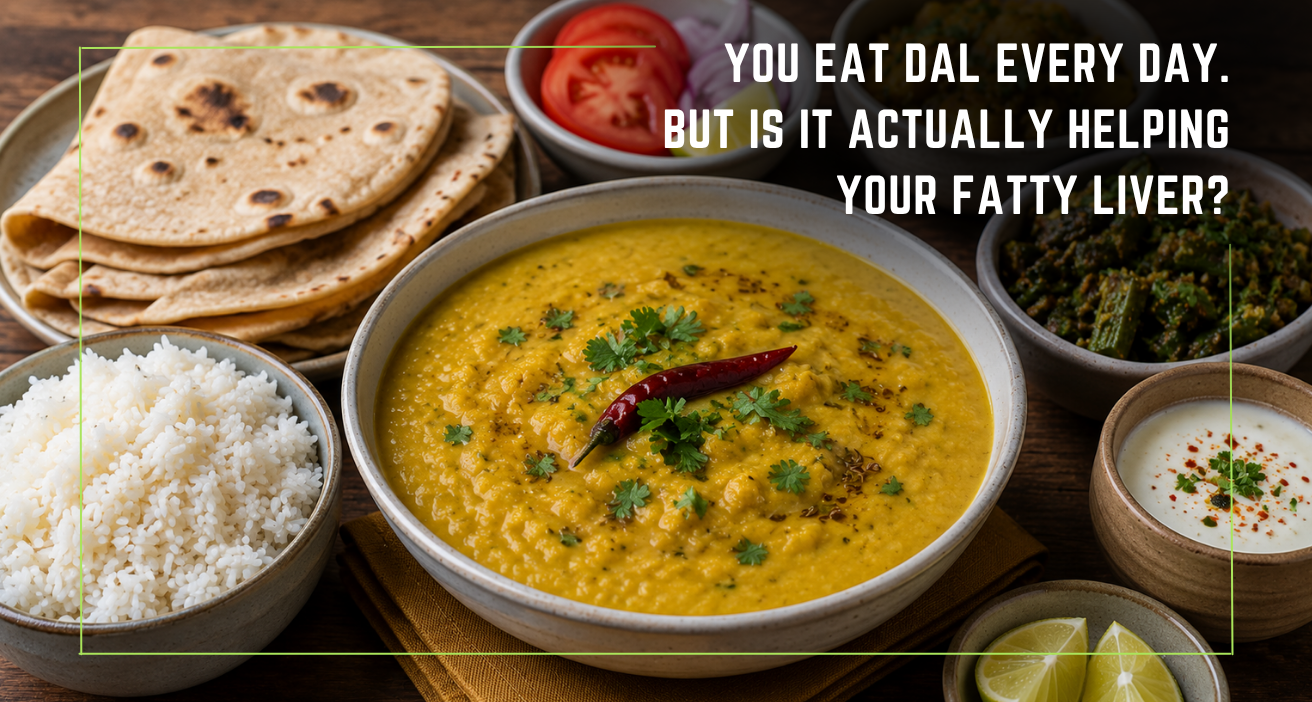
FAQs on Dals and Fatty Liver